
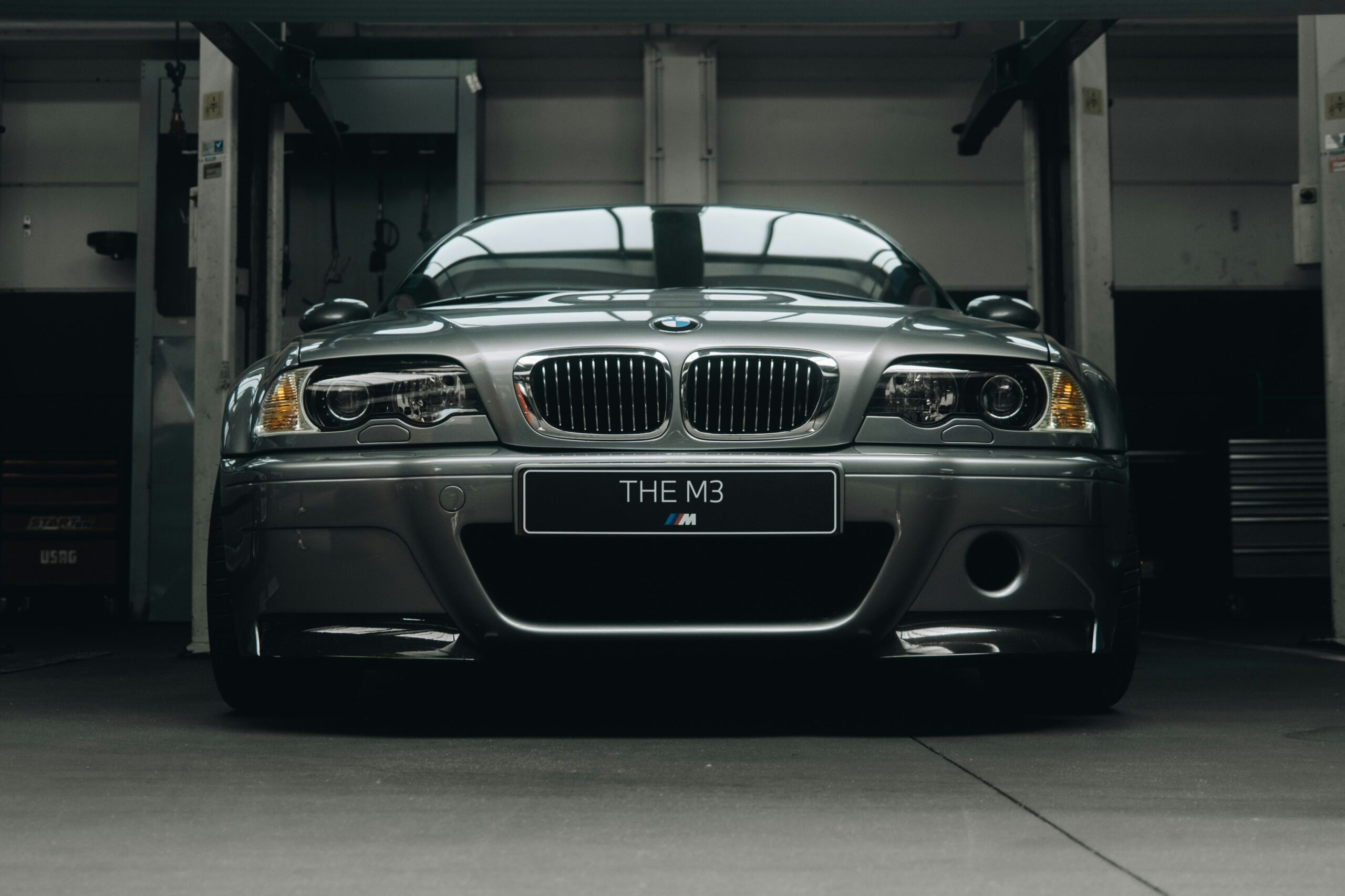
The BMW E46 M3 is one of those rare cars where the enthusiast case and the investment case align almost perfectly. It drives brilliantly, looks timeless, is lightweight, and represents a chapter of BMW M that is unlikely to be repeated.
That’s the simple version. The more nuanced reality is that not every E46 M3 holds equal value — and choosing the wrong one can quickly turn a promising investment into an expensive hobby car that never quite delivers on its potential. What sets this generation apart from most modern classics is the moment in time it captures.
The S54 straight-six and a proper manual gearbox mark the end of a very specific era in BMW M history — one defined by naturally aspirated inline-six performance, unfiltered mechanical feedback, and minimal intervention from electronic systems. So, is the E46 M3 investment-grade? Here’s everything you need to know.
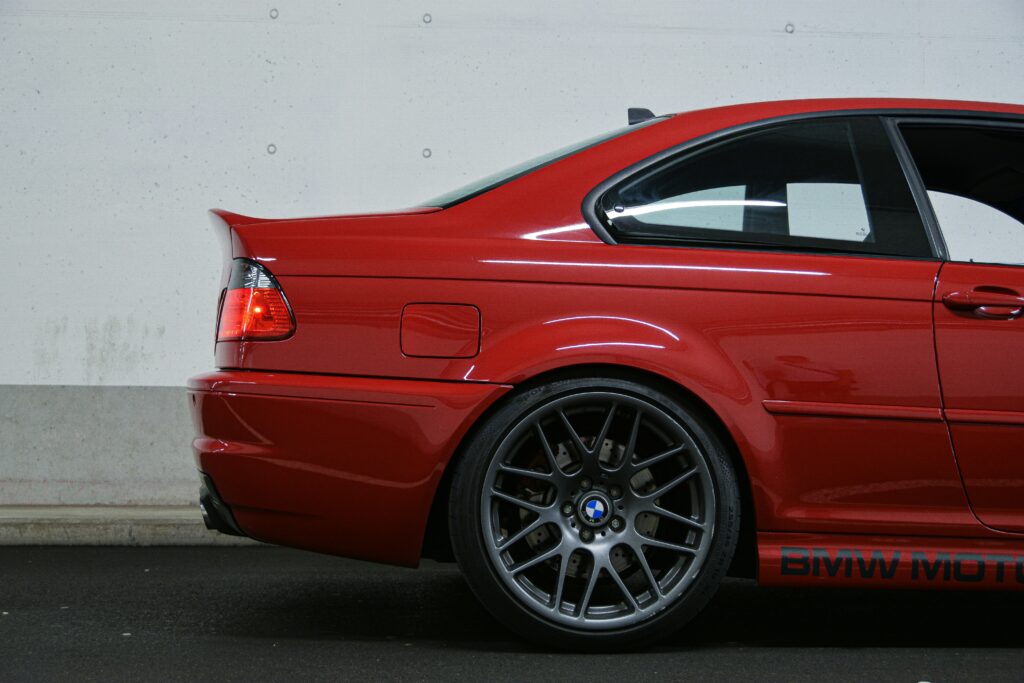
Table of Contents
Meet the BMW E46 M3
BMW introduced the E46 M3 at the 2000 Geneva Motor Show — the third generation M3, and the first to arrive in North America with largely the same power as its European counterpart. The E30 had a four-cylinder tuned more for handling than outright performance. The E36 was heavily detuned for the US market, getting a less powerful engine than European buyers received. The E46 did receive 10 horsepower less for the American market, but that made little to no difference in the real world.
BMW M notes that the worldwide production was 85,000 units. That sounds like a lot — and it is, but a significant portion of those cars have been modified, crashed, tracked, neglected, or stripped for parts over the past two decades. At the heart of every E46 M3 is the S54 engine: a 3.2-litre naturally aspirated inline-six producing 333-343 hp, with an 8,000 rpm redline. It won Ward’s Best Engine of the Year and Best International Engine of the Year when it launched in 2001. The E46 M3 was available with either a 6-speed manual or the SMG II (Sequential Manual Gearbox II) — a single-clutch automated manual that used paddles but no traditional clutch pedal.
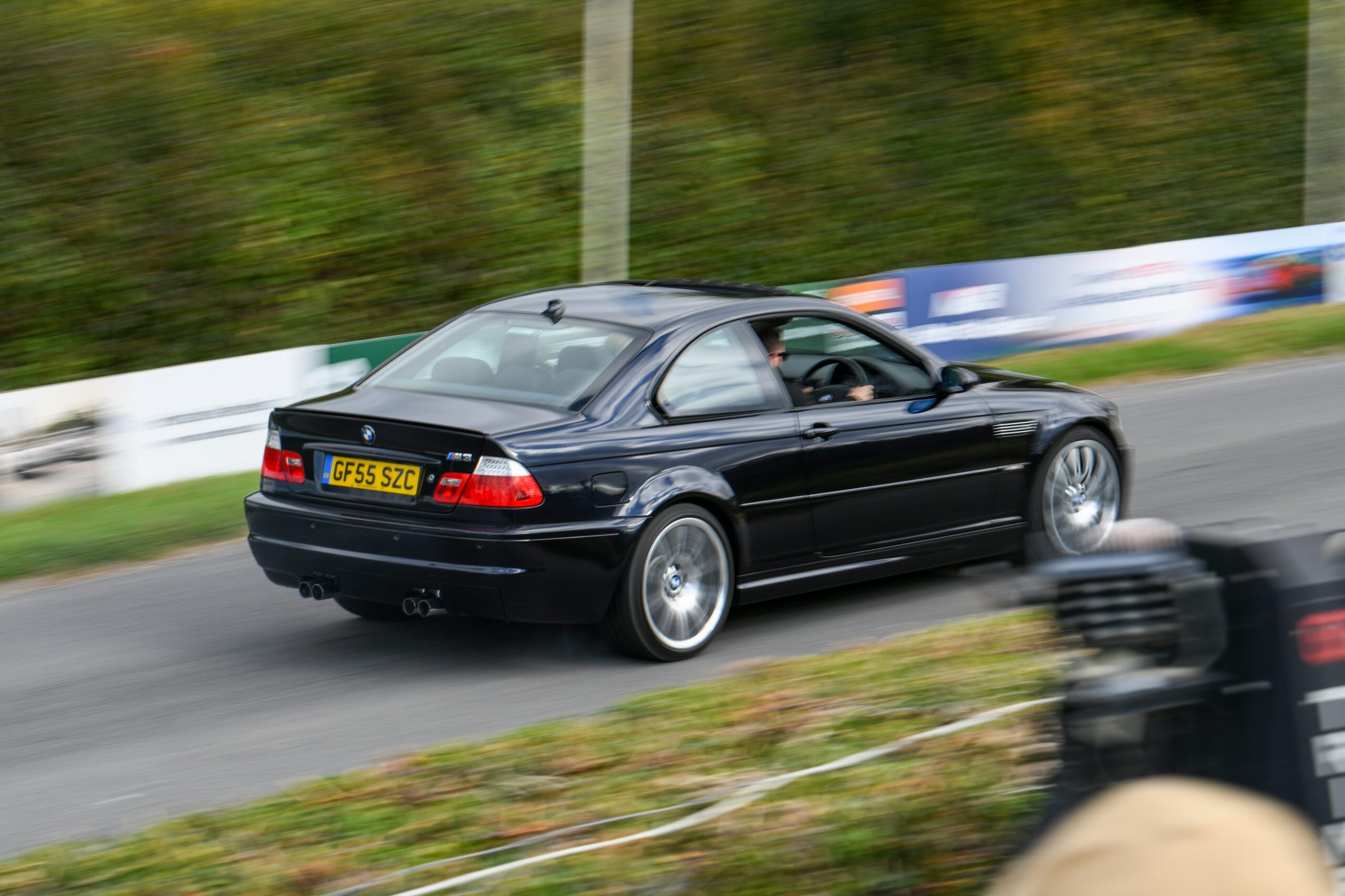
The chassis backs the pitch completely. A 50/50 weight distribution, hydraulic steering with genuine road feel, a limited-slip differential, and a body style choice of either a coupe or a convertible. Although it does have a dedicated Sport Mode, there are no unnecessary drive modes and no artificial soundtrack through the speakers. Visually, the E46 M3 has aged gracefully. The subtly flared arches, quad exhausts, and restrained front end wear its performance quietly. No enormous grille, no M badges on every panel. This was a “if you know, you know” car — built for drivers, not audiences.
The Full BMW E46 M3 Variant Lineup
Standard variants:
- E46 M3 Coupe — 6-speed manual or SMG II (2001–2006) — 333-343 hp, 3.2L S54,
- E46 M3 Convertible — 6-speed manual or SMG II (2001–2006) — 333-343 hp, 3.2L S54,
Special variants:
- E46 M3 CSL Coupe — SMG II (2003–2004) — 360 hp, 3.2L S54,
- E46 M3 ZCP Competition Package — 6-speed manual or SMG II (2005–2006) — 333–343 hp, 3.2L S54, NA only,
- E46 M3 CS — 6-speed manual or SMG II (2005–2006) — 333–343 hp, 3.2L S54, Europe only
The BMW E46 M3 Investment Market
What’s interesting is where the market sits right now. According to Classic.com, the current average sale price of an E46 M3 is $33,453 — and that figure is pulled down by high-mileage cars, SMG convertibles, and rough examples. Clean, low-mileage manual coupes in desirable colours now routinely trade between $40,000 and $65,000.
The post-pandemic spike drove prices sharply upward, then cooled — and that cooldown has spooked some buyers into thinking the E46 M3 investment story is over. It isn’t. According to Hagerty’s January 2026 Price Guide analysis, the E46 M3 market has continued its upward trajectory, with the strongest gains concentrated in low-mileage, well-documented manual coupes. The market correction after the pandemic boom also created a false impression that the E46 M3 investment cycle had ended.
In reality, the opposite happened: the enthusiast market became far more selective. Buyers today are far more educated than they were five years ago — they know the difference between a tired “cheap M3” and a properly sorted car with documented bearings, VANOS, subframe reinforcement, and good history. In many cases, the best examples no longer trade like performance cars — they trade like modern collectibles.
BMW E46 M3 Investment Value Curve
Note: prices below reflect market data at the time of writing and will change over time.
| Variant | Low end | Average | High end |
|---|---|---|---|
| Standard coupe (manual) | ~$20,000 | ~$40,000 | $80,000+ |
| SMG coupe | ~$15,000 | ~$27,000 | ~$40,000+ |
| Convertible (manual) | ~$15,000 | ~$30,000 | ~$45,000 |
| ZCP / CS package | ~$32,000 | ~$55,000 | $90,000+ |
| CSL | ~$80,000 | ~$120,000 | $325,000+ |
Why It’s Going Up
The BMW E46 M3 investment case rests on several structural factors that aren’t likely to reverse. It’s the last naturally aspirated inline-six M3. The S54 represents the end of a specific lineage in BMW M history — high-revving, linear, analog, largely unassisted by electronics. Every M3 built since has used either a turbocharged engine or a naturally aspirated V8. Neither delivers the same character. Yes, the E92’s N/A V8 sounds amazing, but it is the inline-six that makes the iconic compact BMW M character.
Although production numbers are indeed high, many of these have lived a life that isn’t investment-grade. Every car that gets crashed, modified beyond recognition, or tracked to death exits the collectible pool permanently. This has already happened at scale — when these cars were cheap in the mid-2010s, a lot of them were used hard by buyers who weren’t thinking about preservation. Those cars are gone as investment pieces. Clean, stock examples are a genuinely finite and shrinking resource.
The BMW E46 M3 was in production from 2001 to 2006. The people who were teenagers playing EA’s Need for Speed Most Wanted dreamt about one day being able to afford it. This is precisely the demand dynamic that drove E30 M3 prices from $20,000 to $80,000+. It is not finished with the E46 yet — if anything, it’s still building.
The broader shift toward EVs and driver-assist systems makes hydraulic-steering, lightweight, naturally aspirated, manual cars feel rare. The collector market has consistently rewarded “last of a kind” designations. The E46 M3 holds that position in BMW M history. You can draw a clear line from the E30, the E36, the E46, and the E92 — and nothing in that lineage represents the formula more completely than the E46— a the purest expression of what BMW M stood for at the time.
As Hagerty editor James Mills puts it for the E46 M3: “You only need to browse the classifieds to appreciate how there are far fewer original, low mileage cars around than five years ago, and when that happens, prices tend to go only one way.” The BMW E46 M3 is what the E39 M5 is for the 5-Series. It created the brand, it is the root through which everything else has grown. It holds a special place in many BMW fan hearts because it defined the identity of what a BMW 3 is supposed to be, and in an era where that identity is being eroded, it makes the E46 M3 investment case even clearer.
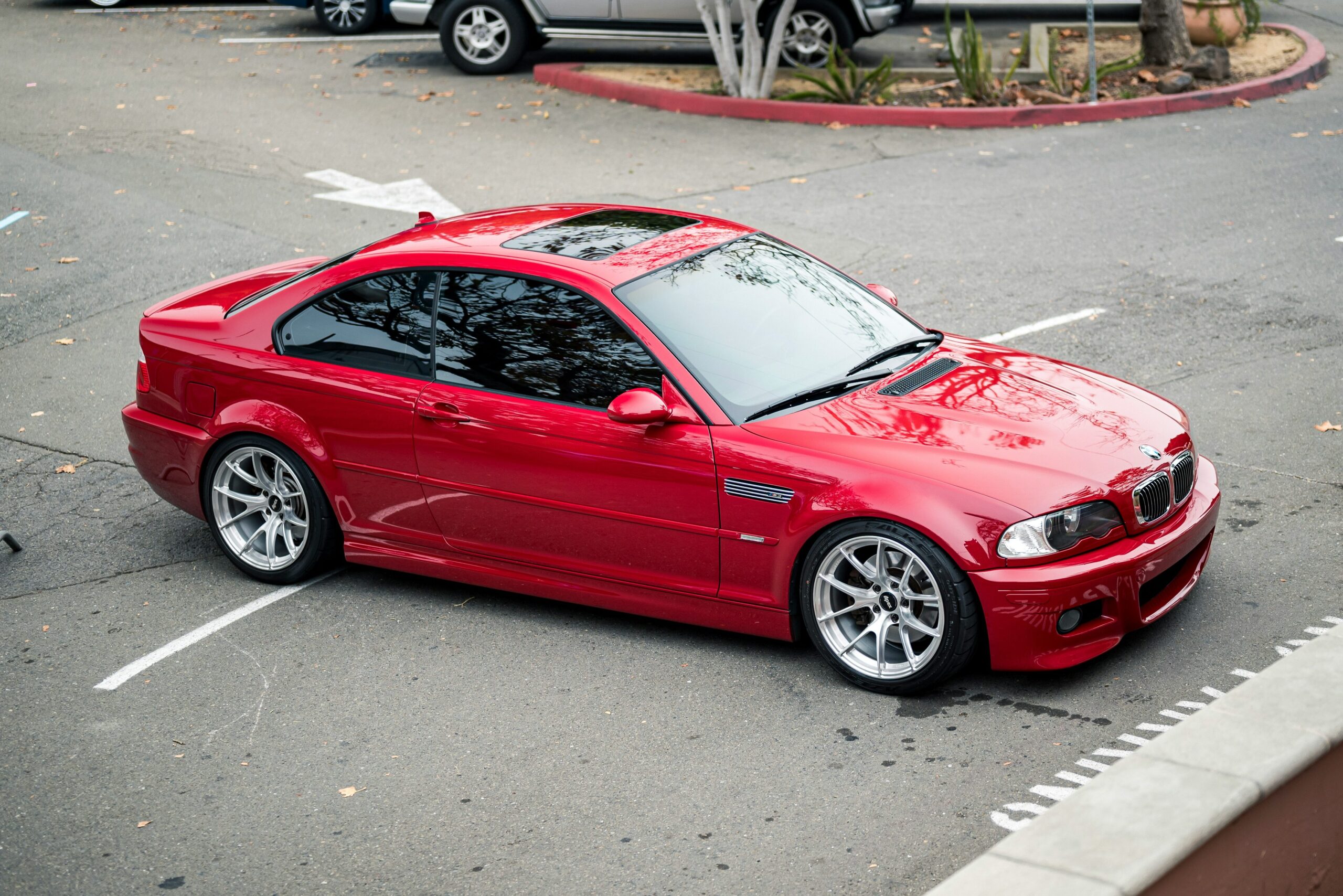
Common BMW E46 M3 Problems
The E46 M3 is not a car you buy without understanding what you’re getting into. The issues are well-documented, the parts are available, and the solutions exist — but they are not free, and they will find you eventually on any car that hasn’t already had them addressed.
- Rod bearings — Quite possibly the most feared issue on the S54. BMW used undersized rod bearings from the factory, which causes premature wear and, if ignored, catastrophic engine failure. Long factory oil intervals are widely believed to have contributed to premature wear on some engines because they were too long for a high-revving performance engine at this level. A rod bearing service is the single most important pre-purchase verification on any E46 M3 investment. Find out when it was last done. Budget $1,500–$3,500 for the service if it hasn’t been completed.
- Subframe cracking — The E46 M3’s most structurally significant issue. The rear subframe mounts into the chassis floor at four points, and those mounting areas crack under the stresses of the S54’s torque and the M3’s stiffer suspension. This affects many E46s eventually, regardless of mileage. A proper reinforcement job — dropping the subframe, welding plates, replacing bushings — costs $1,500–$3,500 from a competent specialist. It is not a question of if, it is a question of whether it’s been done. Factor this into any offer if it hasn’t.
- VANOS — BMW’s variable valve timing system. VANOS failure on the S54 causes rough idle, loss of power across the rev range, and noise. A VANOS rebuild or replacement runs $600–$2,500. It is not unusual on higher-mileage cars.
- SMG hydraulic pump — Relevant only to SMG cars, but worth mentioning: the hydraulic pump that operates the gearbox actuator fails with age. Replacement costs $800–$2,000. This is one of several reasons the SMG premium over a comparable manual has inverted — the SMG car is now the cheaper car, and appropriately so.
- Differential wear — the limited slip differential wears over time, especially on higher mileage or driven cars. A rebuilt or replacement diff is a four-figure job. Worth checking for clunking or excessive play before buying.
- Throttle actuators — The S54’s throttle butterflies use an electric actuator that wears with age and high mileage. Symptoms include rough idle and cold-start issues. Not catastrophic, but a known maintenance item on older high-mileage cars.
- Cooling system — Water pump, thermostat, and expansion tank are standard preventive maintenance items on any E46 M3 investment with significant mileage. Budget for them.
The bottom line on problems: A higher mileage car with a full documented service history and evidence of the rod bearing service, VANOS, and subframe reinforcement is worth materially more than an identical-looking car with half of the mileage.
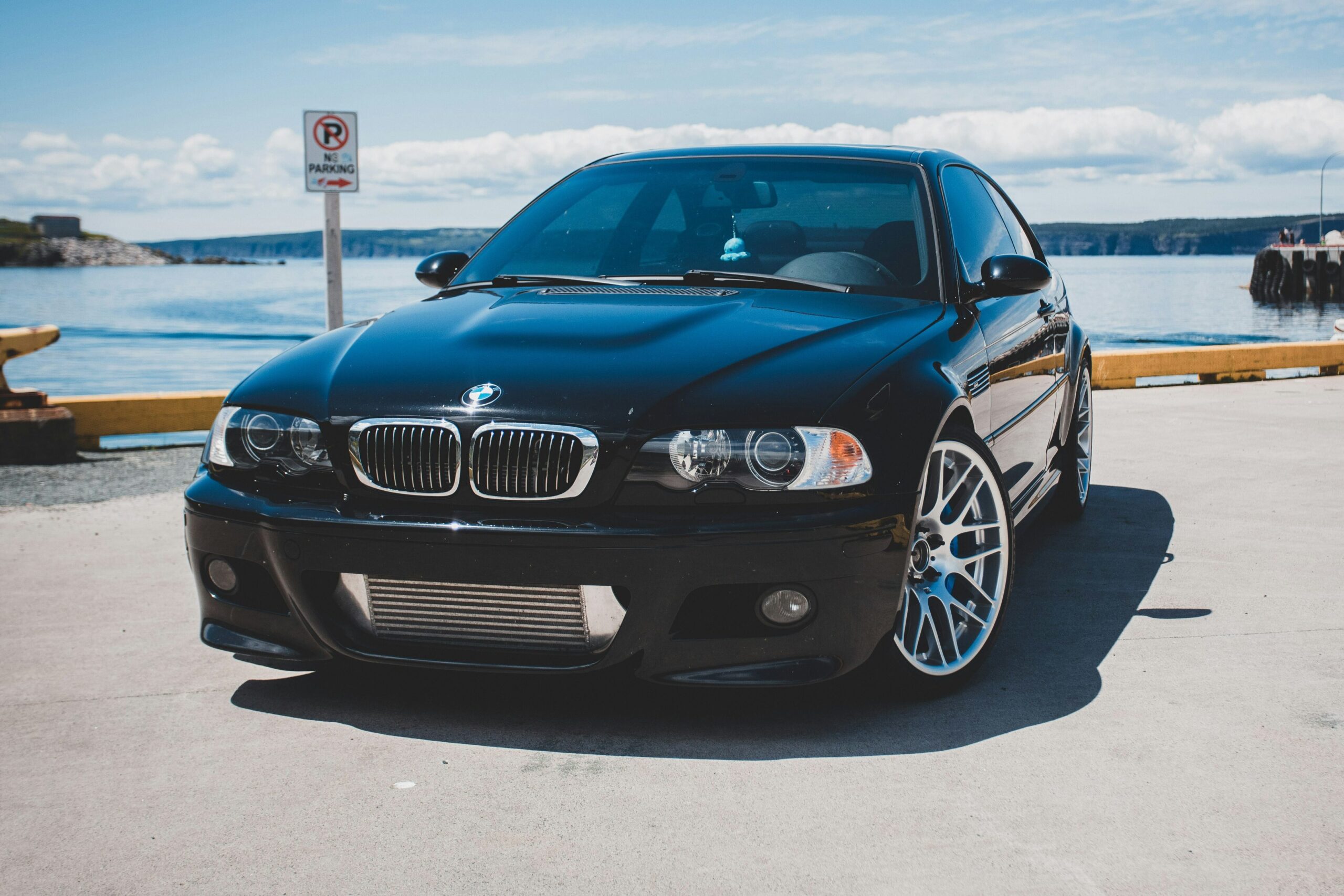
What to Look for in a Good BMW E46 M3 Investment Car
If you are after a BMW E46 M3 investment, many factors play a role, but here are the ones that make the biggest impact.
Service History
Non-negotiable. A thick folder of stamps, invoices, and specialist records is the most important document the car comes with. In this segment, provenance is everything. A car with complete history from a specialist BMW independent is worth it.
Transmission
Buy the six-speed manual. This is not a preference — it is both an investment and an enthusiast decision. Manual coupes average materially more than SMG coupes at every mileage point, and the gap is growing. The SMG has its enthusiasts, and it is genuinely fast, but the market has spoken clearly and consistently.
Subframe
Get under the car, or have a specialist do it. Look at the four rear subframe mounting points for cracking, rust bubbling, or visible separation. If the subframe has been properly reinforced by a specialist with documentation, that’s a sign the previous owner knows the struggle.
Engine Condition
Ask specifically about the rod bearing service. When was it done? At what mileage? If the car has over 80,000 miles and there’s no record of it, the service is likely overdue. Also ask about VANOS condition and cooling system refresh. A car with all of these documented is a very different proposition from one that hasn’t.
Originality
Modifications hurt value. Not just cosmetic changes — engine modifications, suspension changes, and especially track preparation all reduce the pool of buyers willing to pay collector prices. An unmodified, factory-specification car in original paint with its original interior will always find a buyer at the top of the market. A heavily modified car trades at a discount and attracts a different kind of buyer.
Colour
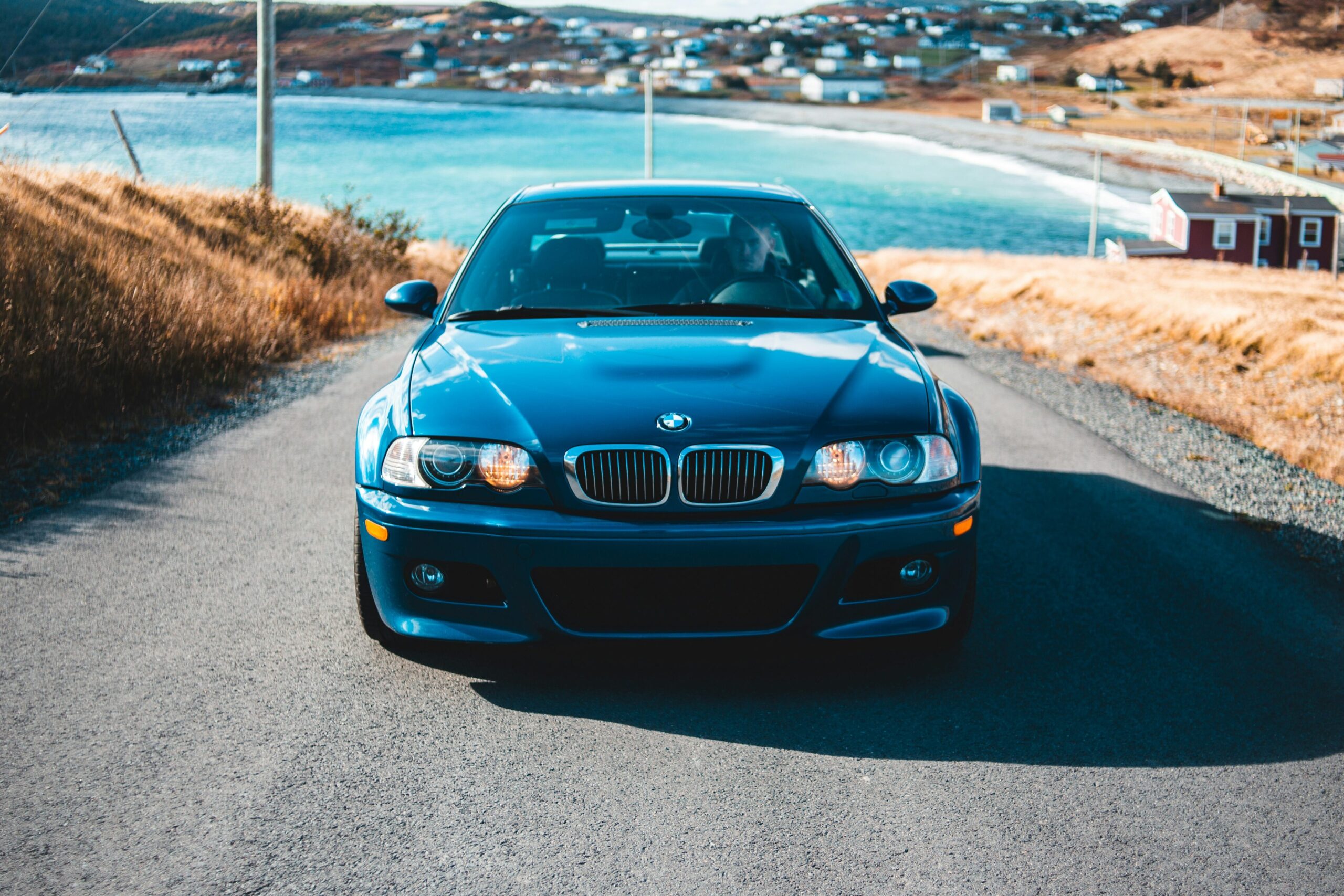
Colour matters significantly — more than most buyers expect. The most desirable E46 M3 colours are Laguna Seca Blue (practically synonymous with the E46 M3 itself), Interlagos Blue, Phoenix Yellow (the official launch colour of the E46 M3), Imola Red, and Carbon Black. Alpine White is also strong. These command premiums of 15–30% over silvers and standard greys at equivalent condition.
On the interior, some people dislike Dove Grey due to it being generic. Cinnamon leather, Imola Red, or any Individual specification interior paired with a rare exterior colour is where collector premiums accumulate fastest. The rarer the combination inside and out, the more money it will command — even if it’s not the most aesthetically obvious pairing.
Mileage
Lower is generally better, but be cautious of very low-mileage cars that have sat for years without use. Age-related failures — coolant system seals, rubber suspension components, brake fluid degradation, and even the subframe issue — develop regardless of how little a car has been driven. A well-maintained 80,000-mile car with full history is often a safer bet than a 30,000-mile car that spent a decade in a garage.
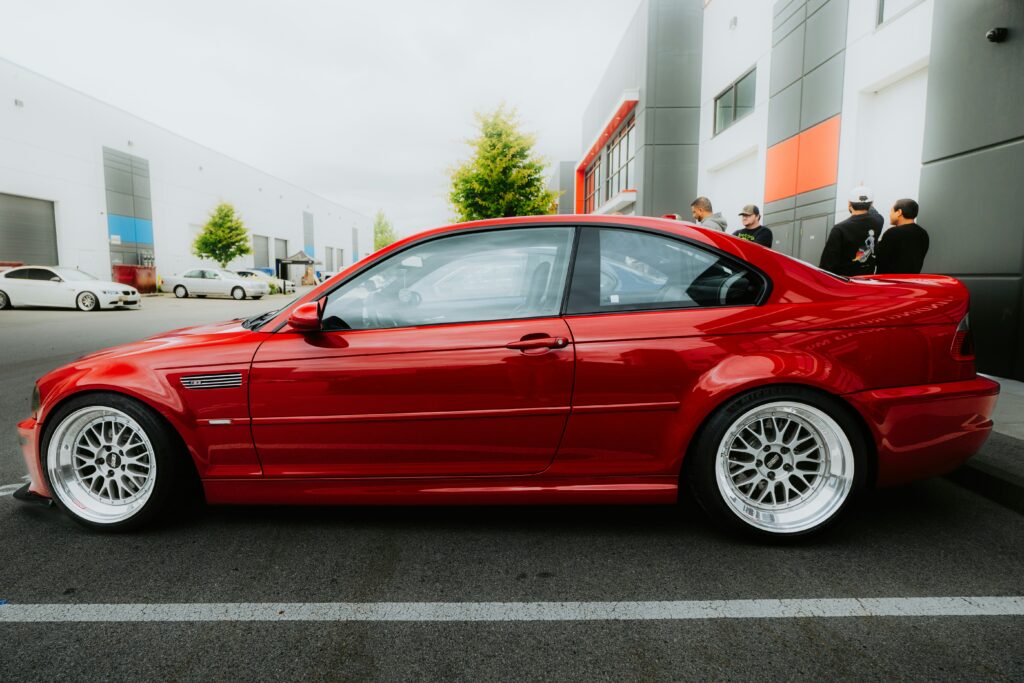
Best E46 M3 Investment Tiers
The market has become increasingly selective, rewarding originality, maintenance history, specification, and rarity far more aggressively than it did just a few years ago. Here’s our breakdown of which E46 M3s are genuinely worth watching — and why.
Tier 1
2005–2006 manual coupe, ZCP or CS package, Individual or rare colour combo, under 50,000 miles, full documented history
This is the top of the market. A late-production manual coupe — the newer the better, 2006 being most preferable — with the Competition Package, a rare colour combination inside and out, low mileage, and a complete specialist service history. The ZCP is the closest thing North American buyers could get to the CSL from the factory, and approximately 2,410 were built. These are not easy to find in proper condition. When you find one, don’t talk yourself out of it over a few thousand dollars.
Tier 2
2004–2006 manual coupe, desirable colour, documented history, major work completed
If the Tier 1 car is out of reach or impossible to find, this is a very close second best. A post-facelift manual coupe in a desirable colour — Laguna Seca Blue, Interlagos Blue, Phoenix Yellow, Carbon Black — with complete service records and evidence of rod bearing and subframe work done. This is the most accessible investment tier and the one with the clearest, most predictable upside.
Tier 3
Early coupe (2001–2002), unmodified, documented, original colour
First and second-year production E46 M3s carry a specific collector appeal: factory-original specification before the market corrected for the known issues. These cars are more likely to need rod bearing and subframe work if they haven’t had it, so verify more carefully. If the car is genuinely original and documented, the early production status adds a premium with a certain type of buyer. Harder to find in this condition, but worth it when you do.
Tier 4
Any relatively healthy CSL you can find
1,383 units, carbon roof, stripped interior, 360 hp, not sold in North America. Average auction price now at $108,560, with exceptional examples crossing $200,000. The CSL is a limited-production homologation model, while the CS and ZCP are specification packages rather than standalone production runs, and they do not exist in the same rarity category as the CSL. Still, the easy money was likely made years ago. The CSL will keep appreciating, but the percentage upside versus a clean standard coupe bought at Tier 2 pricing today is no longer favourable.
Avoid
SMG convertible, basic color combo, no history
The worst combination in the lineup. SMG cars are worth less, convertibles are heavier and worth less, silver is the least collectible colour, and unknown history on an engine with a documented rod bearing issue is a genuine risk. These cars sit on classified listings for months at asking prices that never get met. The market has largely priced in what they are.
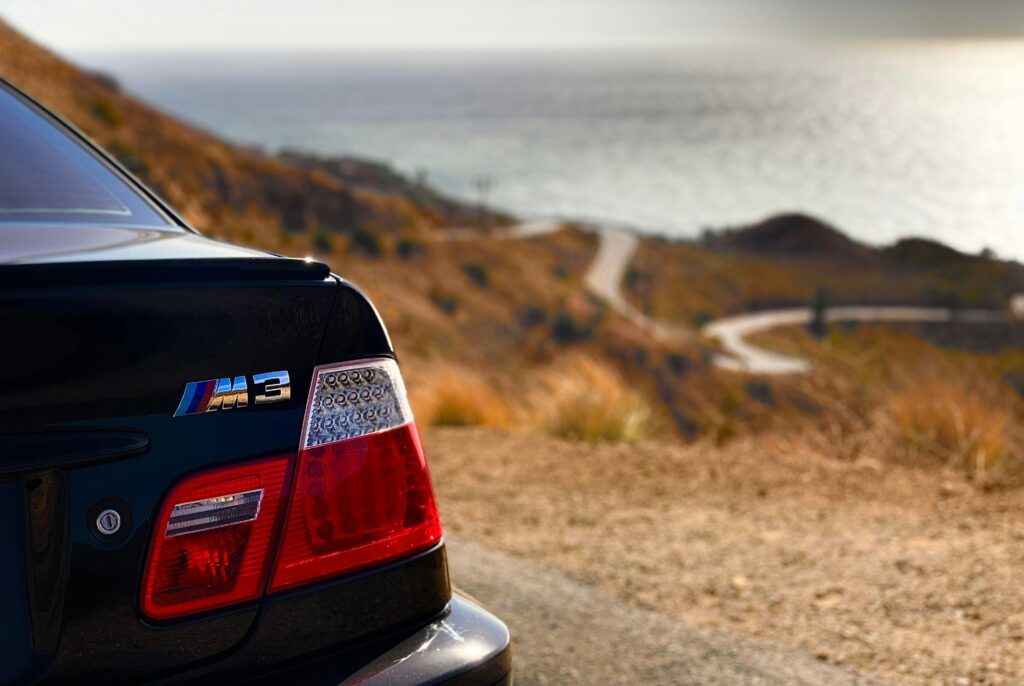
The Verdict
The BMW E46 M3 is a good investment. It is not, however, an unconditional one.
The market has already delivered strong returns for buyers who got in at the 2016–2018 window. A $20,000 manual coupe from that era is a $30,000–$45,000 car today, and a pristine Laguna Seca Blue example that sold for $28,000 in 2019 now finds offers north of $50,000. The window is not closed, but the easy gains have been made on anything less than excellent condition.
What remains — and this is where the real opportunity sits — is the quality premium. Clean, unmodified, fully documented manual coupes are still underpriced relative to where this car is going. The E46 M3 is the very epitome of the M3, full stop. That is a historical designation that will not change.
As the current generation of turbocharged, electrified M cars ages and the E46 recedes further into history, that designation becomes more significant, not less. Buy a manual coupe. Get the history. Verify the subframe and rod bearings. Keep it original. The rest will take care of itself.
Classic Car Gang covers the modern classics market with no editorial filters. If you found this useful, check out our other articles!
Get notified when we publish new articles. No spam.

Marko Mikulic is a classic and modern classic car writer with over a decade of hands-on enthusiasm. He has published more than 10,000 automotive articles with bylines at Jalopnik, SlashGear, The Driver Advisor, and CarArac. He owns a Mercedes R129 SL — having previously owned an R107 and a BMW E30 M3. He founded Classic Car Gang to cover the cars worth buying, owning, and investing in, without editorial filters.
One response to “BMW E46 M3 Investment Guide: The Old School M3 You Should Buy Now”
[…] The E30 era wasn’t a one-off. BMW works teams ran E30 M3s in DTM through 1992, and the M3’s racing résumé kept expanding well beyond Europe. Classic Car Gang […]