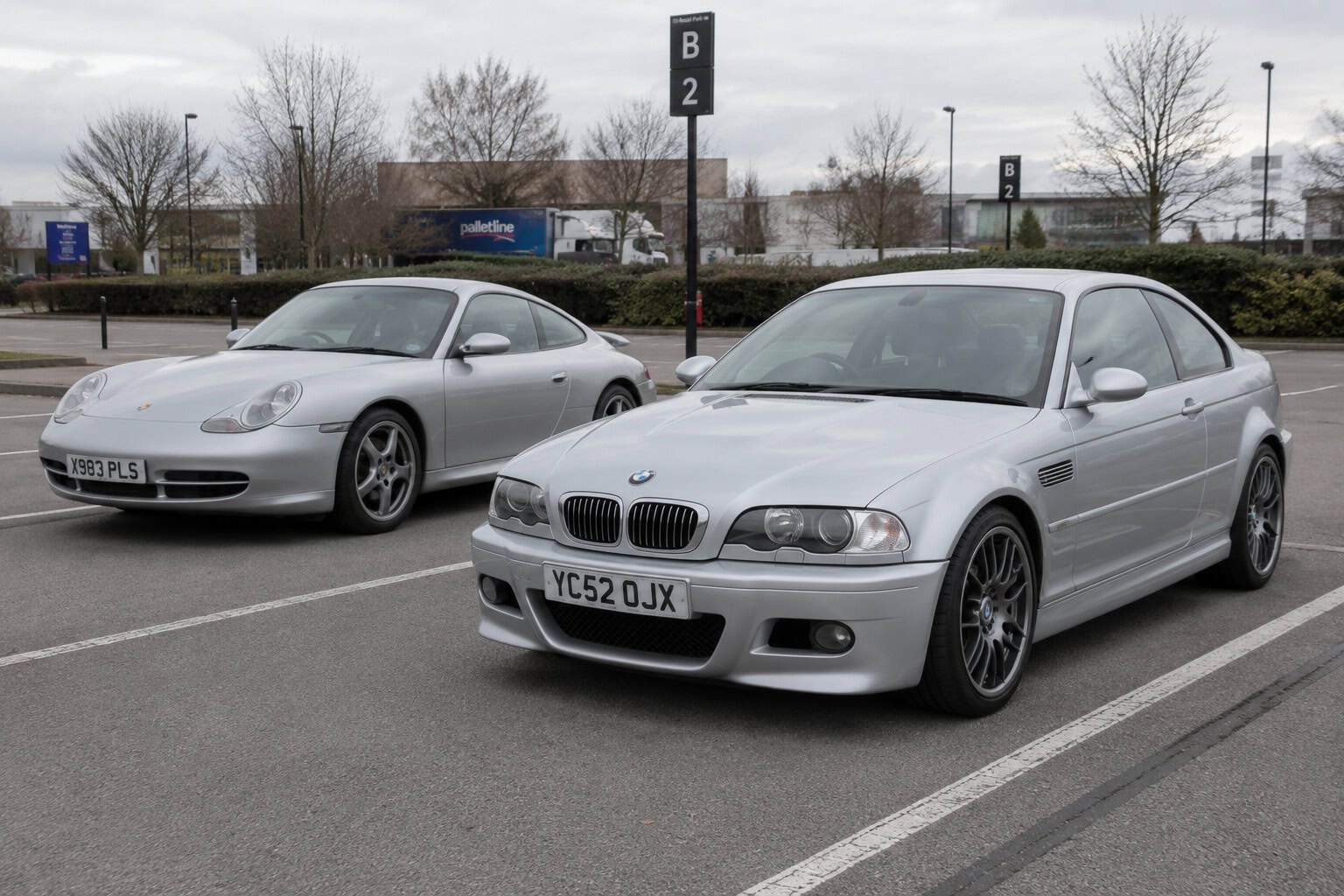

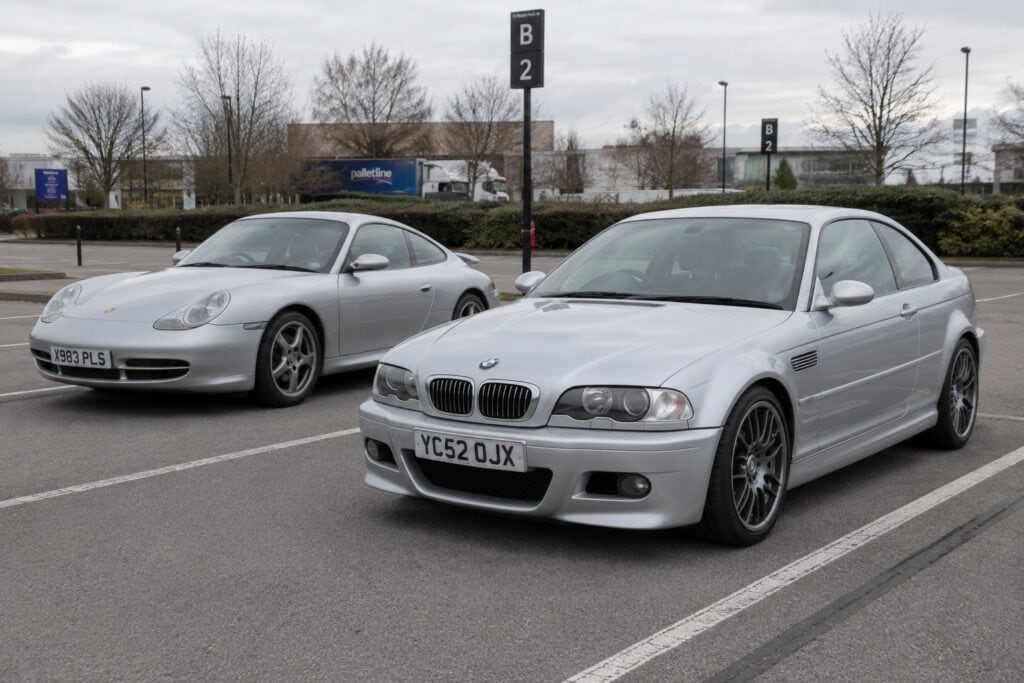
Ask ten car people — the BMW E46 M3 vs Porsche 996 Carrera? You’ll get ten different answers and probably an argument. That’s because this comparison sits right at the intersection of two very strong enthusiast bases: the pedantic paint-to-sample Porsche guy and the brash BMW M hooligan.
For Porsche people, the 996 Carrera has always been the black sheep. Controversial design, parts shared with the Boxster, the first water-cooled engine in 911 history — the moment it came out, it was criticized into oblivion. Still, it is a 911, and it drives like one. Even the most die-hard Porsche purists respect the way the 996 tackles a road. It is not the best 911 ever made, but it is still a 911. In the car world, that counts for a lot. On the BMW side, it is the complete opposite.
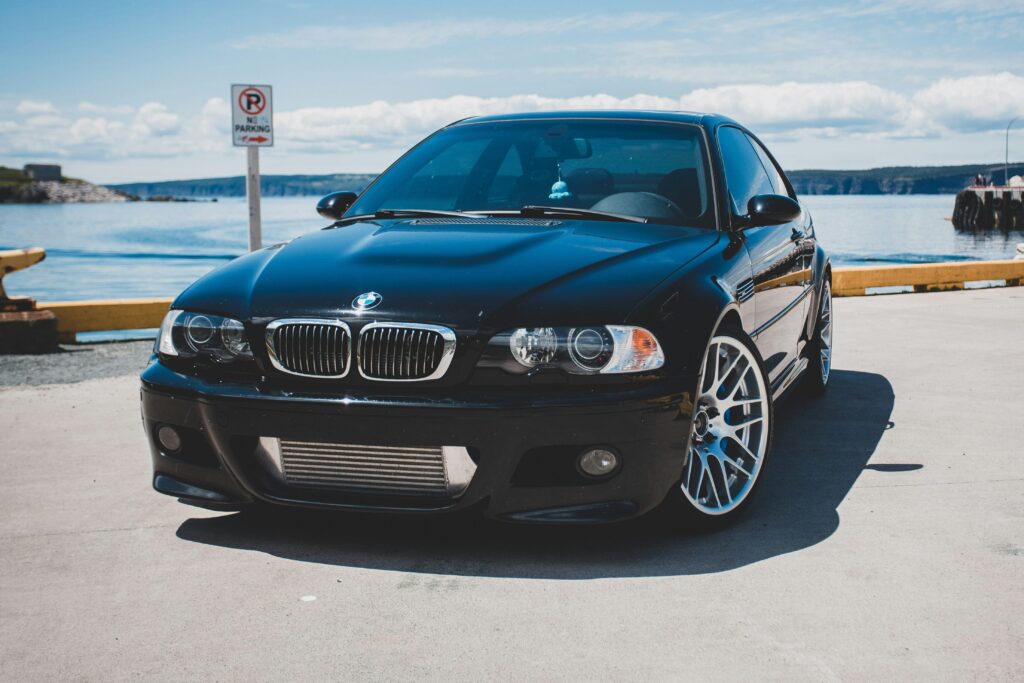
The E46 M3 is, for many people, the epitome of the M3 — the M golden ratio. A naturally aspirated inline-six, a compact body, angel eyes, a proportionate grille — it is exactly what modern BMW M buyers point to when criticizing where the brand has gone. Still, if you appreciate both and have some cash set aside for a fun car, these two are remarkably similar in price, age, sportiness, production numbers, and history. So — BMW E46 M3 vs Porsche 996 Carrera: which one should you buy?
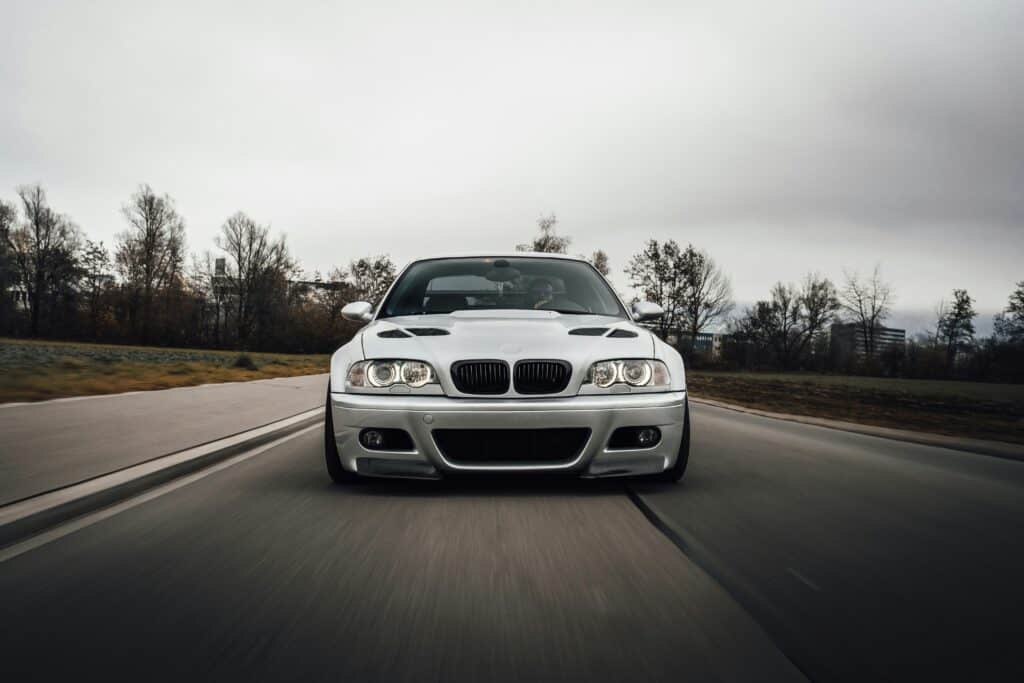
Table of Contents
BMW E46 M3 vs Porsche 996 Carrera: Quick Specs Comparison
We are using the 996.2 Carrera C2 coupe as the reference point for this comparison — the facelift car with the 3.6-litre engine that most buyers will actually be looking at. All figures are for manual transmission cars.
| BMW E46 M3 | Porsche 996 Carrera (C2) | |
|---|---|---|
| Years | 2001–2006 | 1997–2005 |
| Engine | 3.2L NA inline-six (S54) | 3.4–3.6L NA flat-six (M96) |
| Power | 333–343 hp @ 7,900 rpm | 296–320 hp |
| Torque | 262 lb-ft @ 4,900 rpm | 258–273 lb-ft |
| 0–60 mph | ~4.5 sec (manual) | ~5.0 sec (manual) |
| Top Speed | 155 mph (limited) | 171-174 mph |
| Weight (kerb) | ~3,300–3,415 lb | ~2,954 lb |
| Drive | RWD, front-engine | RWD, rear-engine |
| Transmission | 6-speed manual / SMG II | 6-speed manual / Tiptronic |
| Production | ~85,000 total | ~85,150 coupes/cabriolets |
| US Price (new) | ~$45,000–$50,000 | ~$65,000–$72,000 |
The Cars: What You’re Actually Buying

BMW E46 M3
For many BMW enthusiasts, the E46 M3 is widely regarded as the point where the M3 formula outright peaked. Built in the early 2000s, it paired a small footprint, hydraulic steering, and near-perfect balance with one of BMW M’s greatest engines: the good old 3.2-liter naturally aspirated S54.
Courtesy of the S54, the E46 M3 pushes up to 333 (U.S.) to 343 hp (Europe) and revs to 8,000 rpm. Since there is no forced induction, power delivery is immediate, mechanical, and linear. This engine is paired with either a six speed manual or the SMG II automated manual.
The chassis feels alive, the steering communicates, and the S54 transforms every drive into an event. It was also the last M3 to combine a naturally aspirated inline-six with a truly analog RWD driving experience before BMW moved toward heavier platforms, turbocharging, and digital assistance systems.
The E46 M3 was facelifted in 2003, but the only upgrades you got were LED taillights, an AUX port, and a new trunk handle. Now, more than 20 years later, from an experience standpoint, the E46 M3 is widely regarded as the benchmark BMW coupe — the one all others are measured against.
Porsche 996 911 Carrera
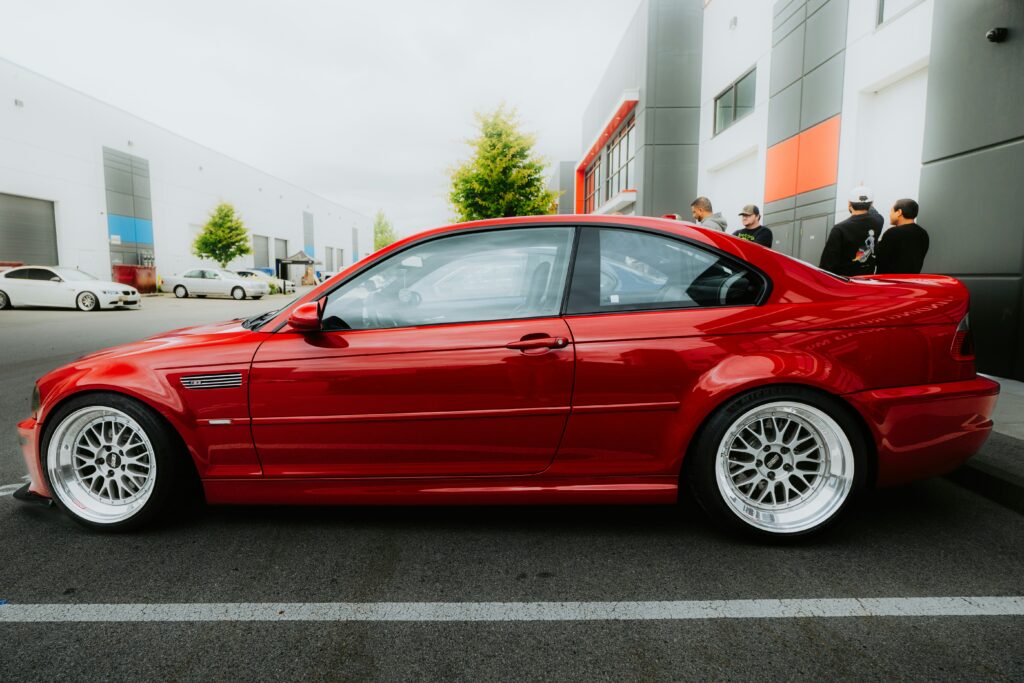
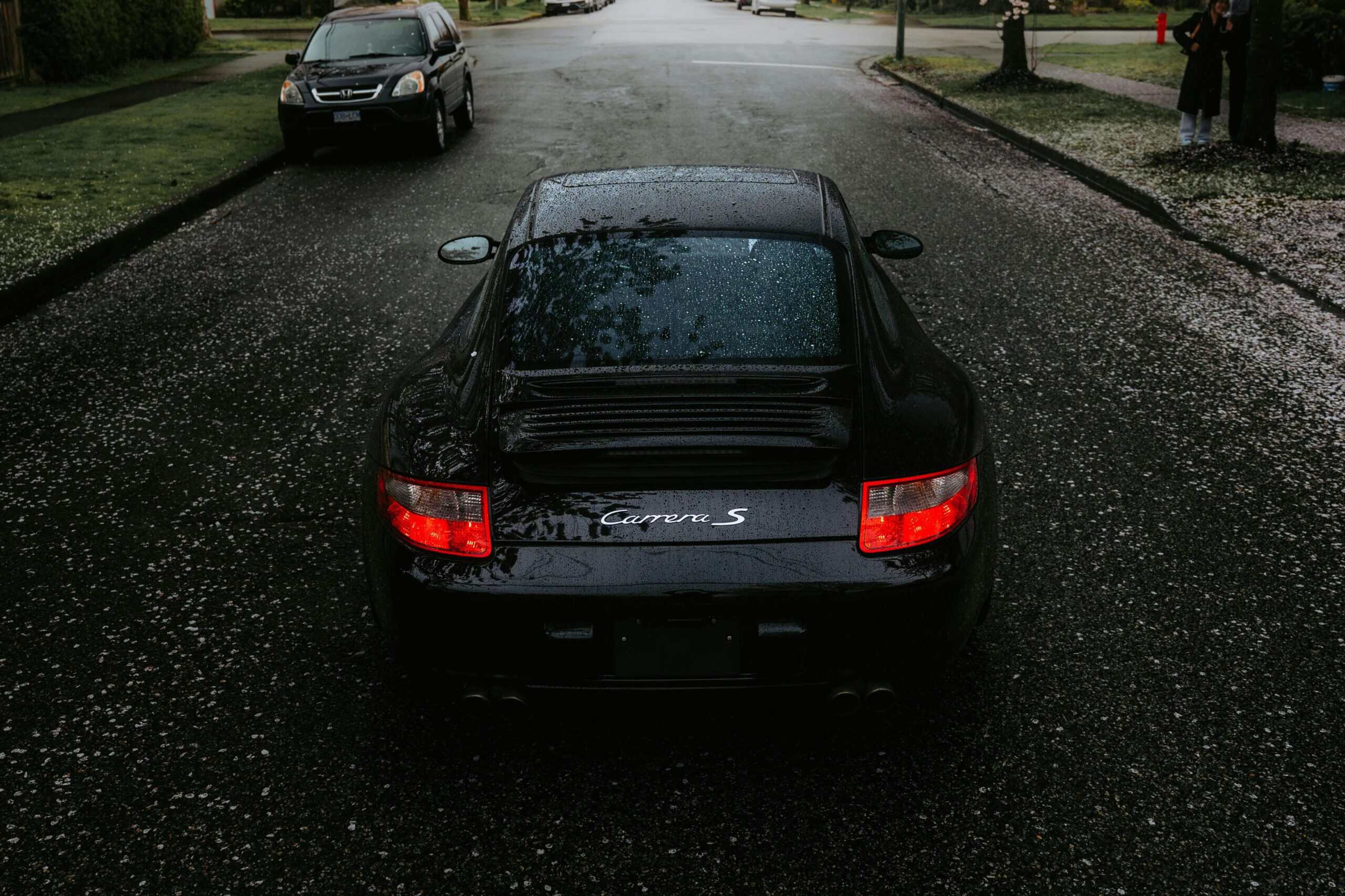
The Porsche 996 Carrera is the most controversial 911 ever made. It is also the most misunderstood 911 ever. Launched in 1997 as the first water-cooled 911, it broke with nearly every tradition the nameplate had built over three decades. New headlamps, new platform, parts shared with the Boxster. Purists hated it immediately, but the 996 was a missile on the road.
The 996 won the EVO Car of the Year 1998, beating the Ferrari F355. That’s the thing about the 996, although it may not be the best looking 911, but it was the 911 that moved the game light years ahead. The 996’s 3.4-litre naturally aspirated engine generated 300 hp, putting it on par with the legendary 911 Turbo 3.3 (type 930).
Transmission-wise, you are looking at either a six-speed manual or Porsche’s Tiptronic automatic box and the 911 C is available with either RWD or AWD with the Carrera 4. The rear-engine balance, hydraulic steering, and flat-six character are all genuinely there — this is a 911, it what defines a 911.
The 996.2 facelift that arrived for 2002 somewhat cleaned up the controversial headlamps and bumped the engine to 3.6 litres and 315–320 hp. The 911’s gargantuan legacy was never built on headlight designs. It was built on the driving experience — and that is where the 996 stands alongside the very best 911s ever made.
BMW E46 M3 vs Porsche 996 Carrera: The Driving Experience
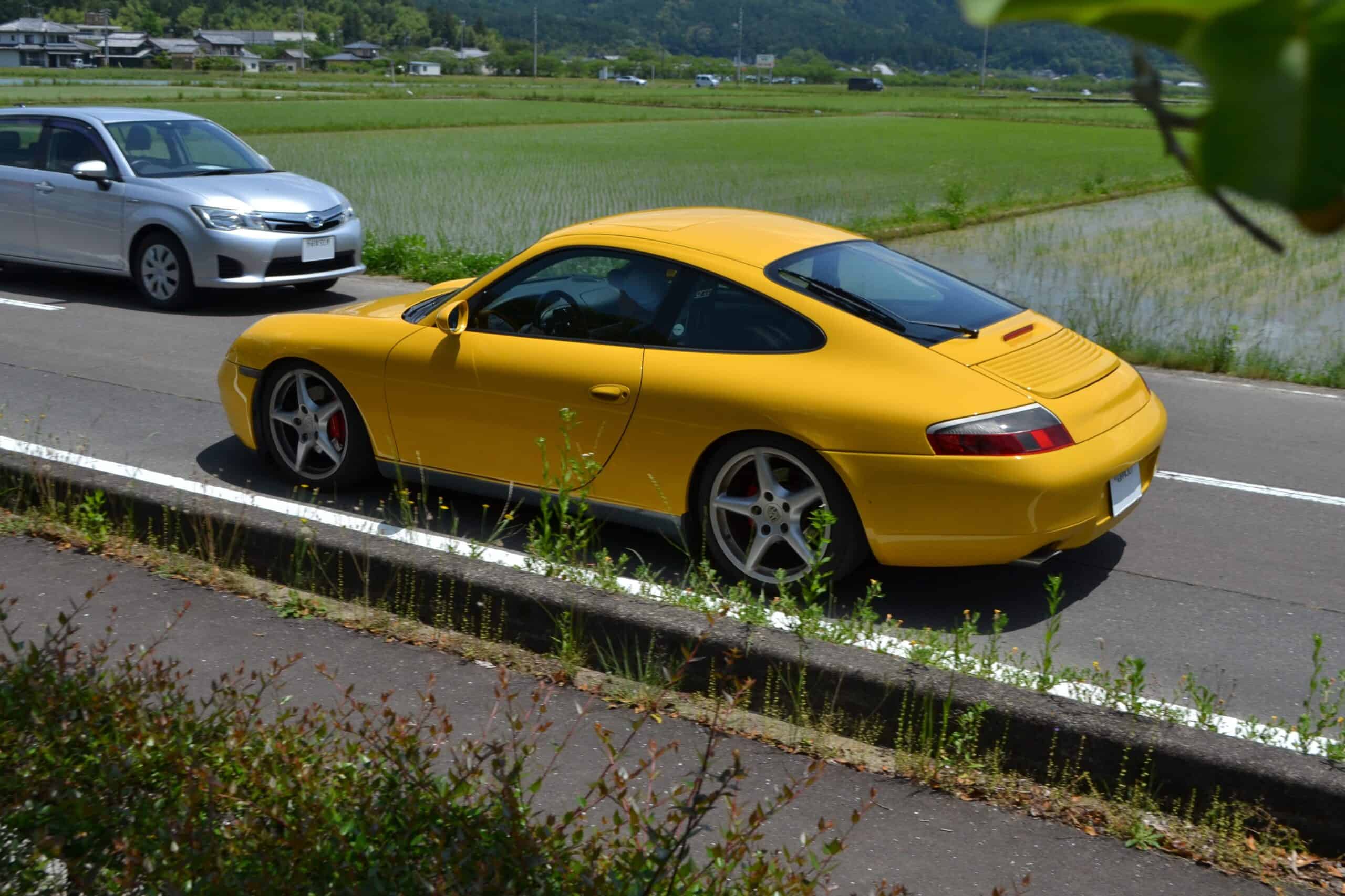
Engine, Performance, and Speed
The reason the E46 M3’s S54 engine is so highly revered only becomes clear once the tach sweeps past 6,000 rpm. Below 4,500 rpm, the car feels surprisingly restrained — smooth, composed, and not dramatically different from a regular E46.
But as the revs climb, the S54 transforms. The induction note hardens, the throttle sharpens, and the engine pulls toward redline with surprising intensity. It’s this explosive top-end character, combined with the engine’s razor-sharp response, that turned the S54 into a modern performance icon.
The Porsche 996 Carrera takes a very different approach. Its naturally aspirated flat-six delivers a broader, smoother torque curve that makes the car easier to drive quickly. Unlike the M3, the 996 does not rely on high revs to feel fast. The flat-six develops a deep mechanical howl past 5,000 rpm that sounds completely different from the BMW’s sharper inline-six scream.
On paper the two are extremely close — both capable of 0–60 mph in under five seconds — but they achieve performance differently. The E46 M3 engine feels more aggressive, mechanical, and demanding, while the 996 Carrera’s flat-six delivers speed with greater fluidity, a broader torque curve, and a much stronger low end grunt.
Overall, the 996 is the quicker car in most situations and on most roads. The BMW, however, feels more mechanical and raw — less clinical, more involving. Where the Porsche impresses with speed and precision, the E46 M3 delivers a richer sensory experience.
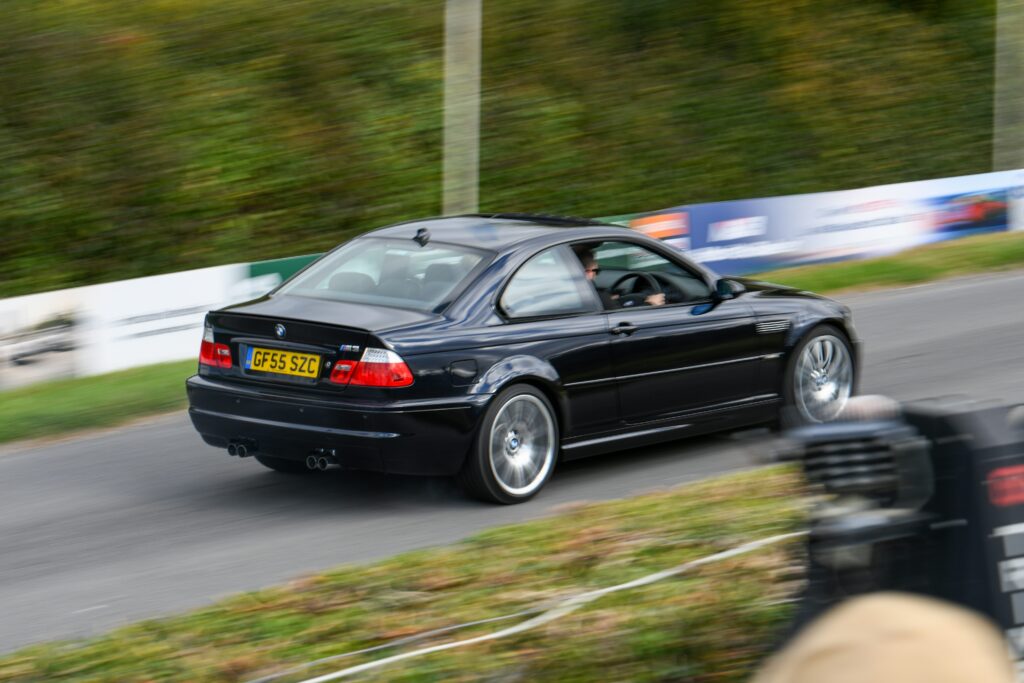
Handling, Driving Feel, and Character
When the E46 M3 arrived, it represented a massive leap forward over the E36 in terms of handling. The E46 felt tighter, more composed, and significantly more sophisticated, while still retaining the playful character that made BMW’s M cars so engaging.
Its handling formula was built around a near-perfect 50:50 front-to-rear weight distribution, rear-wheel drive, a communicative chassis, and a rear end that could still be adjusted on throttle. Combined with sharp hydraulic steering and excellent chassis balance, the E46 M3 struck a neat balance between precision and driver involvement.
The 996 handles like a proper 911 — clinical, balanced, and eager to trail brake. It carries huge speed through corners without seeming stressed. While it can still step its tail, it never feels quite as playful or dramatic as the BMW. In Carrera 4 form, traction is nearly limitless, especially out of slower corners. The rear-mounted engine demands delicacy, but when driven smoothly, the 996 maintains momentum beautifully.
A fairly devoted PistonHeads owner who ran both cars described the M3 as ‘more secure and planted in higher speed corners’ than the 996, with oversteer that ‘can be held on the throttle much easier — the car feels much more balanced than the 911 at this point and you find yourself grinning ear to ear as the car drifts out of the corner.’
A Motoring Misfits driver who spent a full day switching between the two cars landed on this: “the 996 is a better sports car — more engaging on a country road, that is definitely its strength.” However, the BMW E46 M3 was the more complete driver’s car across a wider range of situations.
Sound-wise, the 996’s flat-six has a smooth, mechanical character, but it lacks the drama and excitement of the GT 911s. It sounds unmistakably like a 911, especially at higher rpm, though many enthusiasts find it a bit subdued. The S54 — and BMW inline-sixes in general — are far more divisive. To some, they sound like a fart can; to others, they’re better than Beethoven’s Ninth.

Daily Driving, Rear Seats, and Comfort
The E46 M3 is based on the 3 Series, and it shows — in the best way possible. It has real rear seats that can fit actual adults, a proper trunk, and on the motorway below 4,500 rpm, you could almost mistake it for a 320d with a slightly firmer ride. Around town, the E46 M3 blends in far more easily.
If you don’t floor it and drive it in a relaxed manner, it does not scream performance. On the other hand, the 996 is more compromised as a daily. Be that as it may, it is far from being unliveable. The gearing means it sits at around 3,000 rpm at motorway speeds, which is louder than the M3 at a cruise.
Around town it draws more attention simply because it is a 911. The rear seats are essentially decorative, the frunk swallows more than you expect, but it is not a trunk. The visibility is worse than the BMW. None of that makes it a bad daily driver — plenty of people do it without complaint.
It just means the 996 works best when the circumstances are right, rather than regardless of them. The E46 M3 is built on a family sedan platform, and although BMW Motorsport took it to the limit, it never fully sheds its 3 Series DNA.
BMW E46 M3 vs Porsche 996 Carrera: Design Language
The flared arches, quad exhausts, and wider front bumper on the E46 M3 are there if you look — but from twenty feet away in a neutral color it passes as an old Beemer 3. That restraint is deliberate and it has aged well. It was never trying to be the loudest thing in the room, which means it has not dated the way cars that were trying to be the loudest thing in the room have.
There is something incredibly sophisticated and elegant about older German performance sedans and coupes that do not constantly advertise what they are. For many car enthusiasts, that is a massive part of the appeal. You get the performance and the intense driving experience, but without being flashy or attention-seeking. You can keep it understated and low-key, but you can also keep up with a Ferrari.
The 996 Carrera is harder to sum up. The 996.1’s headlamps — integrated units shared with the Boxster — produced the most sustained backlash of any styling decision Porsche has made with the 911. The 996.2 facelift replaced them with cleaner units from the Turbo, which resolved some of the complaint. Beyond that, the 996 reads as a 911 from any angle — the arching rear quarters, the rear-engine silhouette, the shape that has been evolving since 1963.
Inside, the E46 M3 feels more practical, airy, and understated. Classic BMW ergonomics, dials, orange lights, and excellent visibility. The 996, on the other hand, feels more focused and intimate. Its cabin wraps around the driver more tightly, giving it a greater sense of occasion, though it also feels more dated and noticeably less spacious.
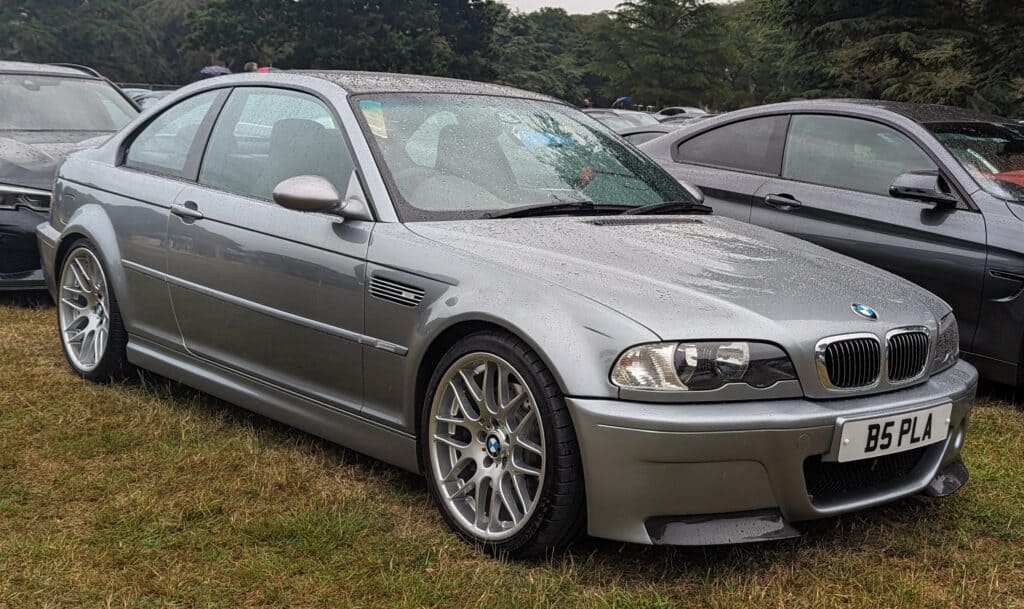
BMW E46 M3 vs Porsche 996 Carrera: Reliability and Maintenance
Both the E46 and the 996 are manageable if bought carefully. However, both can become expensive nightmares. The real difference is not in the severity of the problems, but in what you are actually getting when you buy a clean example of either.
The E46 M3’s two non-negotiables are the rod bearings and the rear subframe. The S54 used undersized rod bearings from the factory — they wear progressively and fail catastrophically if ignored. Budget $1,200–$3,500 for the service if not already done, and treat any car without documented bearing history accordingly.
The rear subframe cracks at its four mounting points under load — a reinforcement job costs $1,500–$3,500 from a competent specialist. VANOS rebuild adds $600–$2,500 on higher-mileage cars. All of it is known, all of it is fixable, and a car with all of it documented is worth materially more than one without.
On the 996 Carrera, the IMS bearing is the conversation. The intermediate shaft bearing on the M96 engine can fail without warning and take the engine with it. The single-row bearing used in later cars had a much lower failure rate. A preventive replacement costs approximately $2,000 — most efficiently done at the same time as a clutch change, sharing the labour.
Alex McCulloch, writing for BimmerLife after driving both cars back to back, gave the M3 the edge: ‘On price, performance, practicality, maintenance costs, and reliability, the M3 is the better car.’ Neither should go near a general mechanic. Specialist knowledge makes a concrete difference on both.
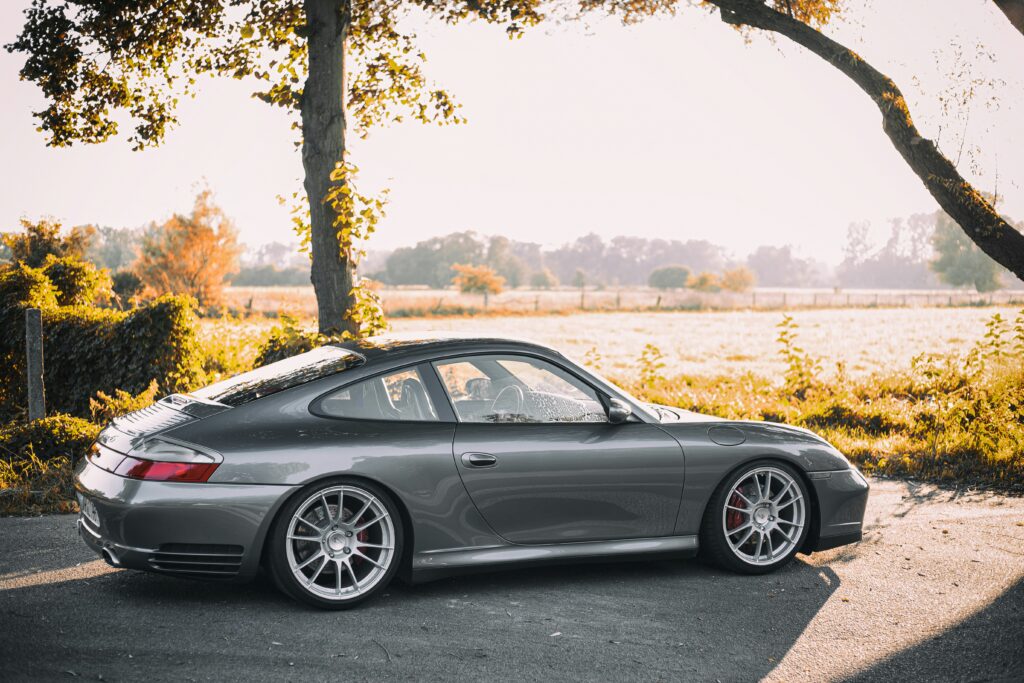
BMW E46 M3 vs Porsche 996 Carrera: Investment Value
This is the section that actually separates these two cars, and it is worth being honest about what the data shows.
According to Classic.com US auction data, the current average sale price of an E46 M3 is $33,453 — a figure pulled down by high-mileage cars, SMG convertibles, and worn examples. Clean, low-mileage manual coupes in desirable colors routinely trade between $45,000 and $65,000. According to Hagerty’s January 2026 Price Guide, the E46 M3 market has seen an average value increase of 30%, with the best examples outperforming even that.
A Laguna Seca Blue manual coupe that sold for $28,000 in 2019 is not a $28,000 car today. The 996 Carrera’s numbers are different. According to Classic.com data, the base Carrera C2 averages around $31,000 at auction, with well-specified manual coupes approaching $55,000. According to Collecting Cars, which has sold over 400 examples of the 996 generation since 2019, the base Carrera market has been broadly flat for three to four years.
The reason for that gap is not mysterious. The 996’s collector energy lives in the GT3, GT3 RS, GT2, and Turbo. The base Carrera benefits from the generation’s rising profile but does not lead it. Buyers chasing 996 appreciation buy the Mezger-engined cars, and are equally scared of IMS problems with non-Mezger engines. Buyers buying a base Carrera are largely buying it to drive, not to hold.
The E46 M3, by contrast, has a collector hierarchy that is actively moving. The CSL, the ZCP, rare-color manual coupes — these have specific documented premiums and a lot of hype behind them. That demographic is made up of millennials at peak earning years who grew up playing Need for Speed: Most Wanted where the E46 M3 was the hero car.
For a deeper look at either car as a standalone investment, see our full BMW E46 M3 Investment Guide and Porsche 996 Investment Guide.
BMW E46 M3 vs Porsche 996 Carrera: Which One Should You Buy?
Not everyone loves the same cars, and not everyone wants the same things from driving. With these two, the proposition is similar, but the philosophy is not.
Buy the BMW E46 M3 if:
- You are buying partly to hold value. The right E46 M3 — manual coupe, rare color, documented rod bearings and subframe — has a clear and growing collector case the base 996 does not.
- You want one car that handles everything. Motorway miles, bad roads, passengers, daily commute — the M3 does not make you compromise any of it.
- The S54’s character is what draws you. The 8,000 rpm redline and the way the engine transforms past 6,000 rpm is not something the M96 flat-six replicates.
- You are buying unmodified and keeping it that way. Originality is what separates the $30,000 E46 M3 from the $65,000 one.
Buy the Porsche 996 Carrera if:
- You specifically want the 911 experience — rear-engine balance, flat-six sound, the particular sensation of a car where the weight is behind you — and you want it at the most accessible price it has ever been.
- You have a separate daily driver and the 996 will be used for the right roads on the right days.
- You are buying to drive, not to appreciate. At current prices, a properly sorted 996 Carrera is a lot of sports car for the money.
- The IMS has been documented and done. Non-negotiable on any 996 Carrera purchase.
BMW E46 M3 vs Porsche 996 Carrera: The Verdict
For a sports car driver, the 996 Carrera wins on the specific question of what is more rewarding to drive on the right road. The rear-engine balance, the flat-six character, the sense that the entire car was designed around making the act of driving feel significant — the M3 does not offer that, and it does not pretend to.
If you want a proper sports car at the lowest possible entry price into 911 ownership, the 996 Carrera is a genuinely compelling answer. There is simply very little on the market that delivers the same level of sophisticated driving experience as a 996-generation 911.
However, the E46 M3 is the smarter buy. It is more practical, easier to exploit fully without needing a specific technique, and it is the one with documented appreciation behind it. The E46 M3 is the BMW M holy grail car, and given the direction modern BMW M is heading in, this isn’t likely to change.
Buy the 996 Carrera if you want the sports car. Buy the E46 M3 if you want everything else.
Classic Car Gang covers the modern classics market with no editorial filters. If you found this useful, check out our other articles.
Get notified when we publish new articles. No spam.

Marko Mikulic is a classic and modern classic car writer with over a decade of hands-on enthusiasm. He has published more than 10,000 automotive articles with bylines at Jalopnik, SlashGear, The Driver Advisor, and CarArac. He owns a Mercedes R129 SL — having previously owned an R107 and a BMW E30 M3. He founded Classic Car Gang to cover the cars worth buying, owning, and investing in, without editorial filters.