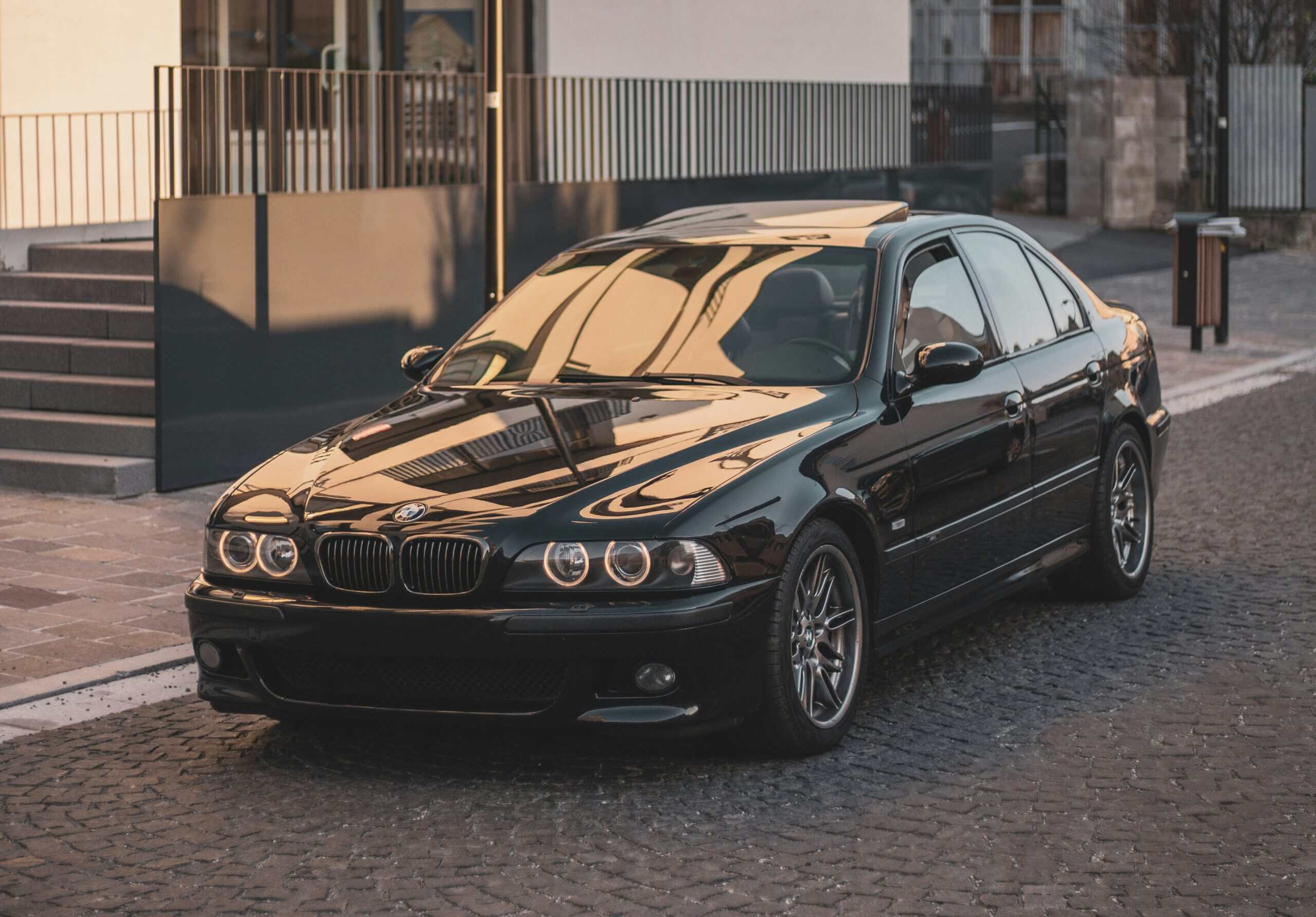

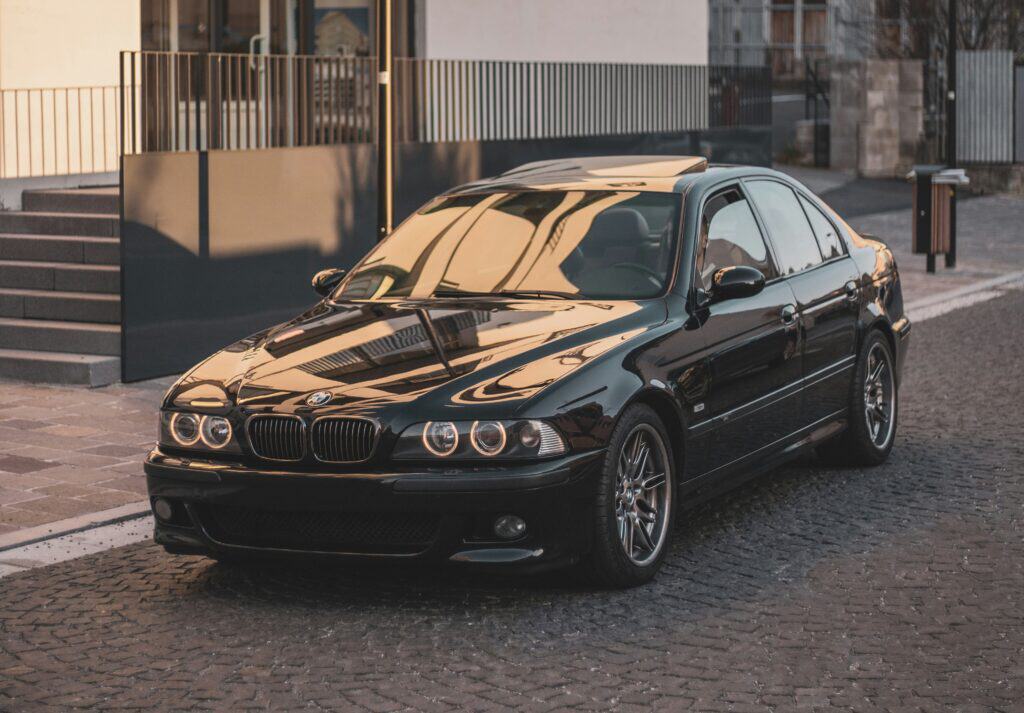
When it came out, the BMW E39 M5 is not a car that needed time for the world to catch up with it. The automotive press got it right in 1998, the enthusiast community got it right in the decade that followed, and the collector market is getting it right today.
The E39 M5 is also not a car you need. It is more than 20 years old, it is not the most spacious, it is not the most comfortable, and it certainly is not the most tech-filled option out there. But then again, you are not the average Joe looking to buy just any used four-door sedan with a premium badge.
This is a car you want — desperately so — just like the rest of us who spend far too much time reading car content online. The E39 represents the moment BMW perfected the M formula that enthusiasts have been chasing ever since. It is the very embodiment of what BMW M used to stand for: understated design, mechanical purity, everyday usability, and a naturally aspirated engine that has since left the industry.
For all of us who grew up idolizing it, the chances of owning a clean E39 M5 at an affordable price are disappearing fast. Here is our ultimate BMW E39 investment guide and why you should get one before it is truly too late.
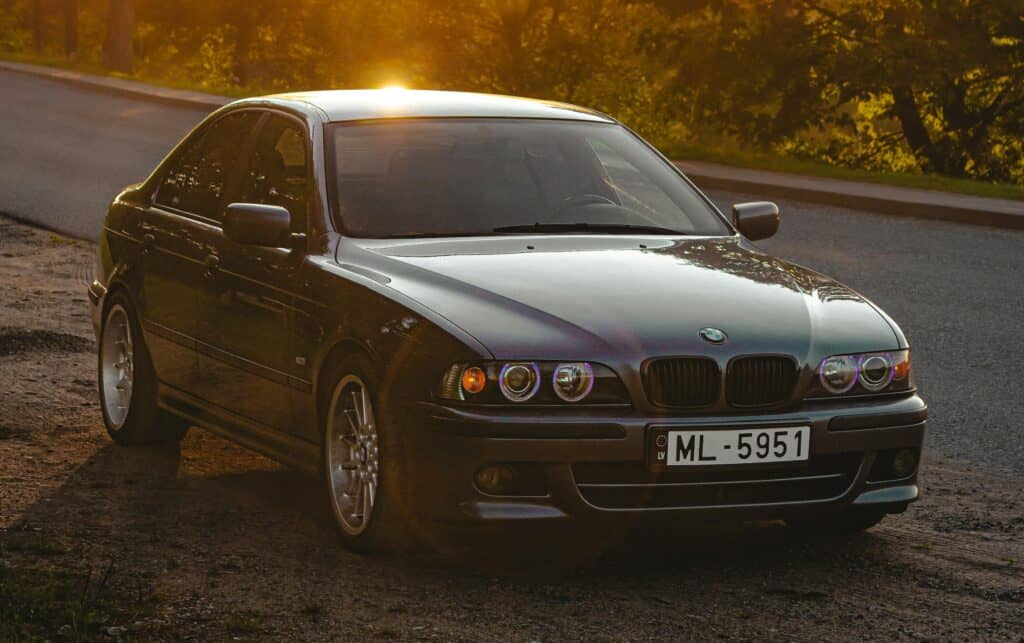
Table of Contents
Meet the BMW E39 M5
BMW unveiled the E39 M5 at the 1998 Geneva Motor Show and began production seven months later. It was the first M5 to use a V8 engine — a decision that initially divided the M faithful, who had grown up with the motorsport-derived inline-six of the E28 and E34. Be that as it may, those concerns sure have evaporated quickly once people drove it.
At the heart of the BMW E39 M5 is the S62 — a 4.9-litre naturally aspirated V8 producing 394 hp at 6,600 rpm and 369 lb-ft of torque at 3,800 rpm. According to BMW M, the S62 was developed from the 540i’s M62 V8, but of the original engine, only the alternator and the distance between the cylinders were retained. BMW M rebuilt everything else: the aluminium block, the camshafts, the entire engine periphery.
They added Double VANOS variable valve timing — a first for any BMW V8 — individual throttle bodies for each cylinder electronically controlled by servo motors, and a semi-dry sump lubrication system with two additional scavenging pumps that activate under hard cornering. The result was 400 PS, 500 Nm, and a 0–100 km/h time of 5.3 seconds.
Power goes to the rear wheels through a Getrag 420G six-speed manual gearbox and a mechanical limited-slip differential. There was no automatic option — it was never really needed. There was no touring version that made production, either. No hybrid, no large screens, no voice control, nothing. Just an engine, an understated sedan silhouette, a manual transmission, and lots of noise.
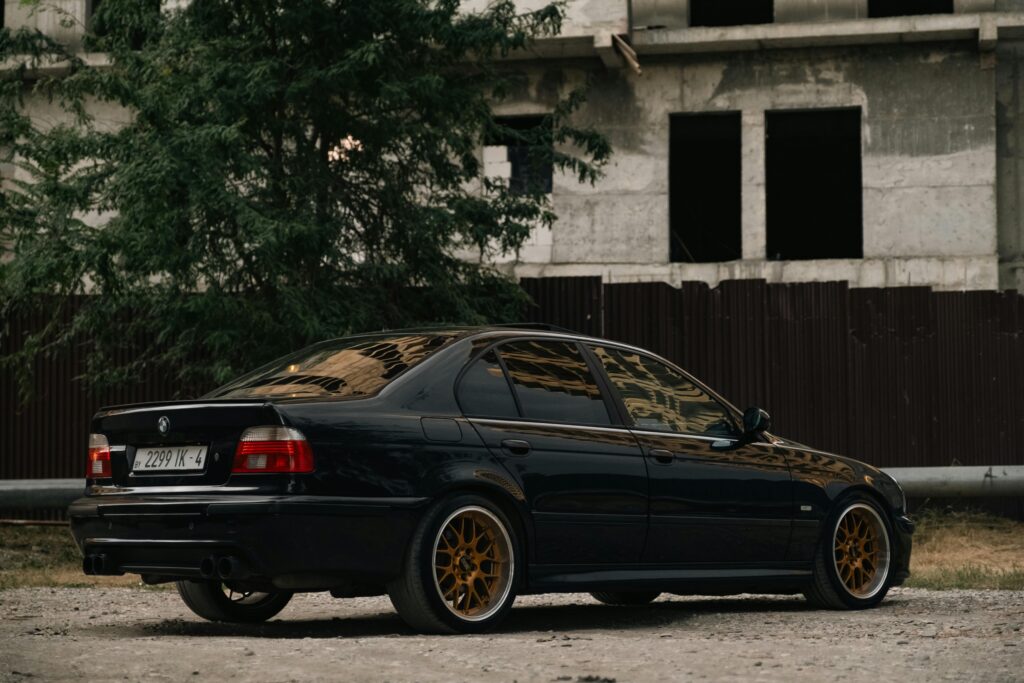
The suspension was extensively revised over the standard E39. BMW fitted aluminium front control arms to reduce unsprung mass, progressive springs, stronger anti-roll bars, and a multi-link rear setup in place of the traditional trailing arm arrangement. The car rides 25mm lower than the standard 5-series on 18-inch forged alloy wheels.
One known compromise: the recirculating ball steering. Rack-and-pinion simply wouldn’t fit around the V8’s packaging, so BMW used a steering box — and the trade-off is that the E39 M5 gives you less fingertip feel than the E46 M3. It is accurate and confidence-inspiring, but it is not a communicative setup. Everyone who has driven both knows this, and no one considers it a dealbreaker.
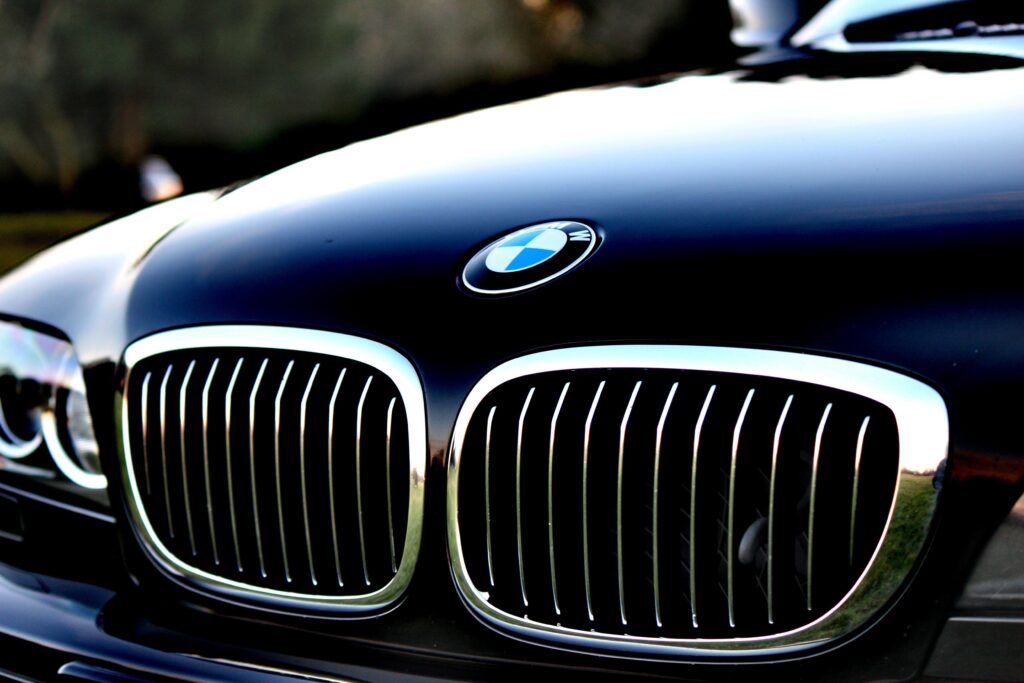
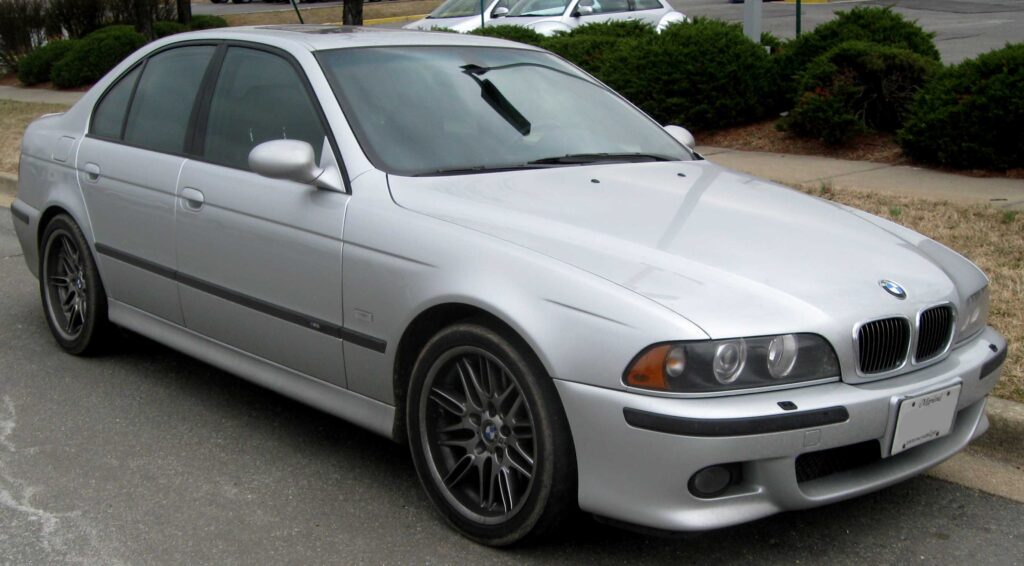
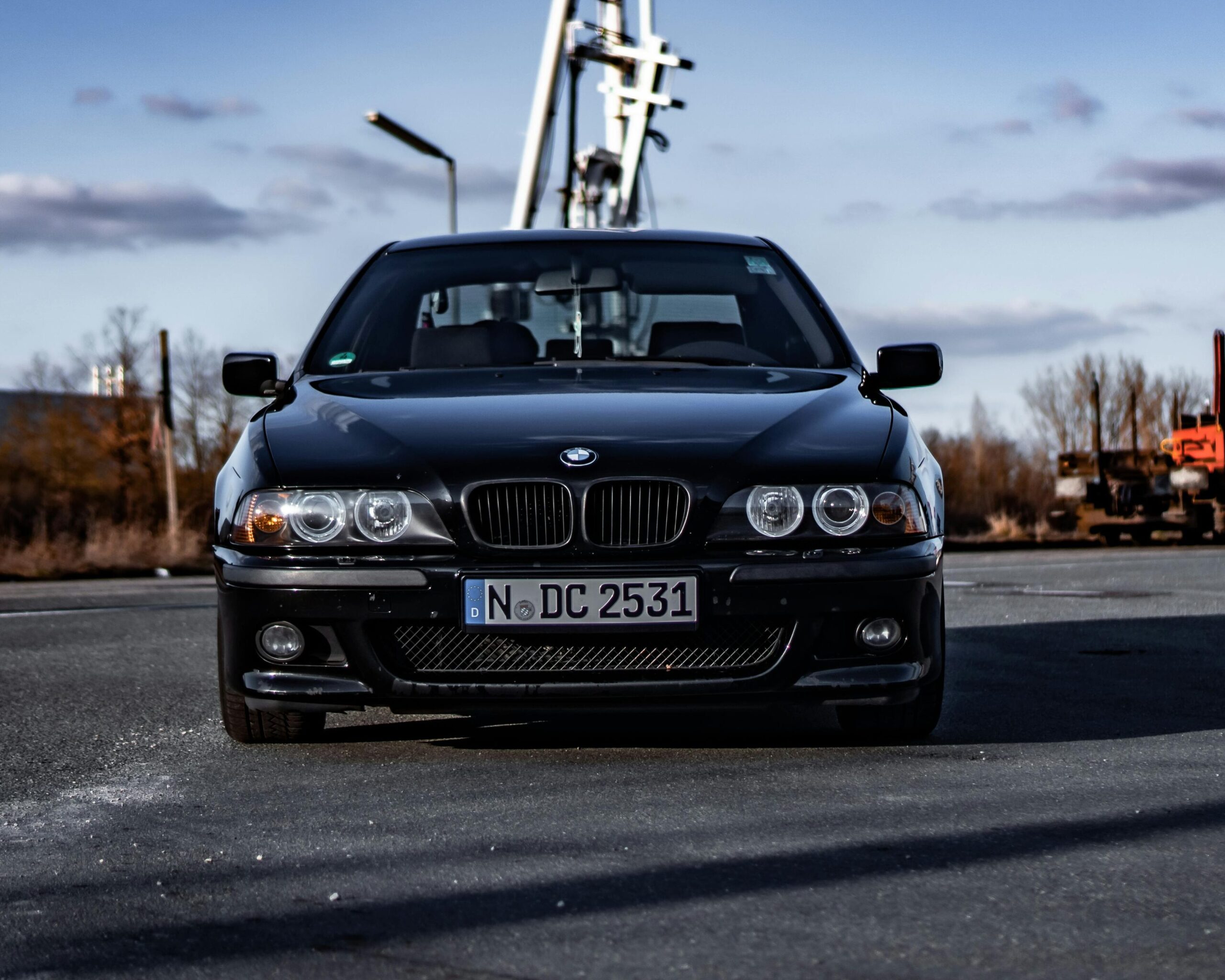
A facelift in 2000 brought iconic angel-eye headlights, LED rear lights, a revised steering wheel (shared with the E46 M3), grey-faced instruments, and rear head airbags. Many buyers prefer the cleaner pre-facelift look; the market does not have a strong consensus either way. Total production across both generations: 20,482 units. BMW sold nearly 10,000 examples in the US alone.
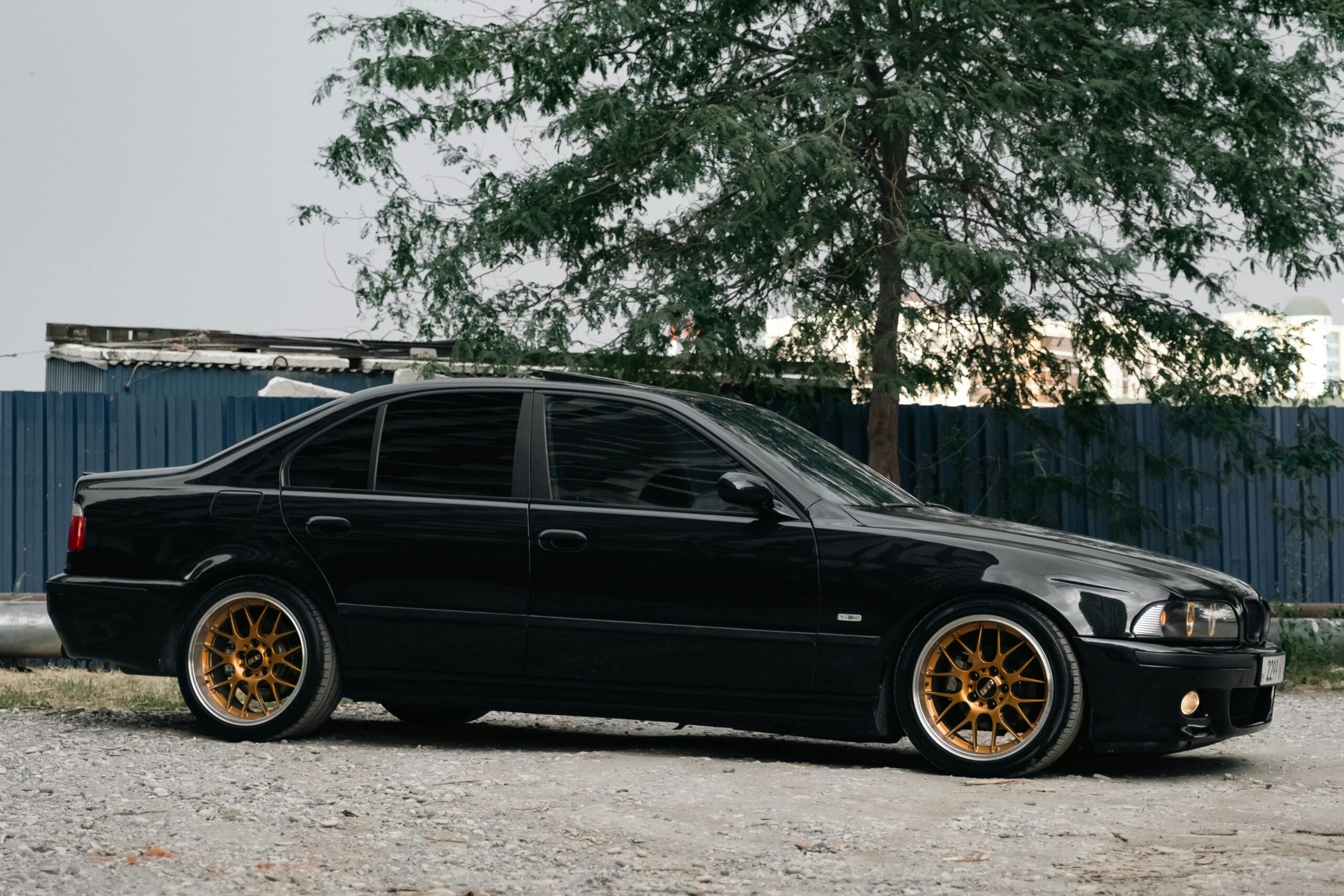
The Full BMW E39 M5 Variant Lineup
The E39 M5 is one of the simplest lineups in modern classic investing — there is essentially one car. Back then, BMW didn’t bother with special versions. The E39 M5 was special by itself.
Standard variants:
- E39 M5 Sedan — Euro spec (1998–2003) — 400 PS / 394 hp, 4.9L S62, 6-speed manual only
- E39 M5 Sedan — North American spec (1999–2003) — 394 hp, 4.9L S62, 6-speed manual only
The two specs are mechanically near-identical. The Euro car makes a nominal 6 hp more on paper due to different emission calibration, but the real-world difference is imperceptible. US-spec cars also used solid brake discs rather than the floating disc setup found on European cars.
No special editions were produced. Unlike the E34 M5 before it and the E60 after it, the E39 generated no official limited runs, no homologation specials, and no factory performance packages. As Collecting Cars puts it: “Unlike earlier M5s, the E39 didn’t have special editions or limited-run variants. Desirability usually comes down to colour and overall condition.”
The one exception worth knowing: BMW Individual spec cars. A small number of E39 M5s were ordered through BMW’s Individual program with bespoke exterior colours, two-tone interiors, or unique trim specifications not available through the standard catalogue.
These are genuinely rare, difficult to verify without factory build documentation, and command a meaningful premium with the right buyer. An Estoril Blue Individual example is a different proposition from a standard silver car. If you find one with COA and full documentation, pay attention.
The facelift distinction (pre-2000 vs. post-2000) is the only other meaningful split:
- Pre-facelift (1998–2000): cleaner, more sober headlights, optional Alcantara headlining
- Post-facelift (2000–2003): angel-eye headlights, LED rear lights, grey instrument faces, E46 M3 steering wheel, Alcantara headlining standard
Neither commands a clear premium over the other in the US market. Originality matters more than which side of the facelift the car sits on.
The BMW E39 M5 Investment Market
According to Classic.com, the current average sale price of an E39 M5 is $35,416 — but that figure spans everything from high-mileage, neglected examples auctioned cheap to low-mileage, well-documented survivor cars that now command serious money. The highest recorded sale on Classic.com is $397,500 for a 2003 M5, sold in April 2025. The lowest is $3,000 for a rough 2001 sedan.
What matters is what the middle of the market is doing. Clean, well-maintained examples with documented service history are trading in the $30,000–$55,000 range. The best cars — low mileage, original paint, full history, rare colour — are consistently pushing above $60,000, and exceptional specimens are well into six figures.
According to Hagerty’s Price Guide, the E39 M5 carries an average value of $32,900, up 5% since 2020. That headline number understates what is happening at the top of the market, where the quality premium has expanded significantly. Car and Driver called the E39 M5 “the most desirable sedan in the world” — and the collector market is increasingly pricing it that way.
BMW E39 M5 Investment Value Table
Note: prices below reflect US market data at the time of writing and will change over time.
| Variant | Low end | Average | High end |
|---|---|---|---|
| Standard sedan (common colour, higher mileage) | ~$12,000 | ~$35,000 | ~$55,000 |
| Standard sedan (desirable colour, documented) | ~$30,000 | ~$45,000 | ~$75,000 |
| Individual spec (rare colour, full documentation) | ~$50,000 | ~$80,000 | $150,000+ |
| Concours / collector grade (exceptional examples) | ~$80,000 | ~$120,000 | $400,000+ |
Why It’s Going Up
The BMW E39 M5 investment case is built on several structural factors that are not going to reverse. The S62 is a naturally aspirated engine with eight individual throttle bodies, a manual gearbox only, and no drive modes. The V10 E60 that followed was faster, more complex, and significantly more expensive to maintain. Every M5 after it has added turbochargers, dual-clutch transmissions, hybrid systems, or all-wheel drive.
The E39 is the end of the line for the original formula — and the collector market has a consistent and well-documented history of rewarding “last of a kind” designations. Production numbers look big but aren’t. 20,482 total sounds like a reasonable pool of cars. In practice, it is not. These were high-mileage machines bought as daily drivers by executives and enthusiasts who used them hard.
The ones that survived were modified, tracked, crashed, or neglected through the period when they were cheap in the early 2010s. Clean, stock, well-documented cars are genuinely scarce now and getting scarcer every year. The generational demand wave is also building. The E39 M5 was the poster car of the late 1990s and early 2000s for a specific generation of automotive enthusiasts — the same demographic now in their 40s with real purchasing power and serious collector intent.
This is the same dynamic that drove E30 M3 prices from $20,000 to well north of $80,000. It has not finished with the E39. Perhaps even more convincing than all the other factors we mentioned, the BMW E39 M5 harks back to a completely different era of motoring. Back in the late 1990s and early 2000s, there was far more differentiation between cars. Premium cars genuinely felt premium, affordable cars were unapologetically affordable, and truly special cars actually felt special.
Today, those boundaries have become increasingly blurred, and many modern performance cars no longer deliver the same sense of occasion. The E39 M5 became the benchmark that every M5 since has tried to live up to. It represents the moment BMW perfected the 5-Series formula. What the BMW E46 M3 did for the M3, the E39 M5 did for the M5. In the modern era of BMW M, you simply cannot buy something quite like this.
Yet despite its age, the E39 still feels modern enough to be genuinely fast, exciting, capable, and reassuringly safe. Cars from the late 1990s and early 2000s represent the final chapter before BMW began prioritizing technology above mechanical purity — something many enthusiasts see as the defining problem with modern performance cars. The E39 is the car enthusiasts point to when explaining just how far the modern M5 has drifted from its roots. More than any other generation, the E39 M5 established the identity, character, and philosophy that every M5 since has tried to emulate.
Common BMW E39 M5 Problems
The BMW E39 M5 is not an expensive car to buy in relative terms. It is, however, an expensive car to maintain if you do not understand what you are getting into. The issues are well documented and the solutions exist, but they are not free.
- VANOS — The S62’s Double VANOS variable valve timing system uses oil pressure to adjust cam timing on both intake and exhaust camshafts. The seals inside the VANOS units deteriorate with age, causing a loss of pressure, a check engine light, rough running, and reduced power across the rev range. According to Hagerty UK, if left unchecked, VANOS failure can lead to serious engine damage. A full VANOS rebuild runs $2,000–$5,000 depending on the shop. A rattle at idle that clears as the engine warms is the classic early symptom.
- Timing chain tensioner — The S62 uses chains, not a belt, which is the good news. The tensioner that keeps those chains in check wears on higher-mileage examples. If the tensioner fails completely, the damage is catastrophic and expensive, that is why replacing it before it reaches 100,000 miles is a must.
- Plastic timing chain guides — Road & Track notes that the plastic timing chain guides wear over time and, if left untreated, can cause serious internal engine damage. On any high-mileage car, verify these have been inspected or replaced.
- Mass Air Flow (MAF) sensors — The S62 uses dual mass air flow sensors, one per cylinder bank. When they deteriorate, the symptoms are often subtle — no dramatic power loss, but reduced throttle response and drivability. MAF sensors can go wrong without triggering an obvious warning, and OEM replacements from BMW are expensive, though aftermarket parts are available.
- Valve cover gaskets — A known maintenance item on the S62. Oil seeping from the valve covers is common on older, higher-mileage cars. Not catastrophic, but a sign the car needs attention.
- Suspension bushings and ball joints — Inspecting all suspension bushings and ball joints for wear on any E39 M5 at higher mileage is also necessary, noting most will go bad as cars approach significant age. Some suspension components are M5-specific — verify any replacements are the correct specification.
- Body rust — The E39 M5 rusts in predictable places. According to Evo, check the sills, jacking points, door bottoms, inside the fuel filler cap, and the panel behind the rear bumper. Surface rust on these cars can quickly become structural. A rust-free example is worth materially more than one that needs bodywork.
- Digital dash pixel loss — The instrument cluster display loses pixels with age. Repairing it requires removing the cluster. Not a deal-breaker, but factor it into your offer if the display is degraded.
- Carbon buildup —Carbon buildup inside the combustion chambers is also a known issue on the S62. On a car that has been well maintained and regularly driven, this is typically manageable. On a car that sat for long periods, it is worth taking a look at.
The bottom line on problems: A higher-mileage car with complete service documentation, VANOS rebuild, fresh chain tensioner, and a rust-free body is worth significantly more than a lower-mileage car with no history. As Fitment Industries noted, “service is everything on an E39 M5,” and that is 100% true.
What to Look for in a Good BMW E39 M5 Investment Car
Service History
Like we said — it is everything. In an ideal world, you’d be looking at a complete service history from a BMW specialist with invoices showing VANOS work, timing chain tensioner, and cooling system maintenance. These records are the most valuable documents the car can come with.
Mileage
Higher mileage is fine on a well-maintained car. Lower mileage is not automatically better if the car sat. Age-related failures — VANOS seals, rubber bushings, coolant system components — develop on cars that sit as much as cars that are driven. We are not saying you should skip low mileage examples, but we are saying that there should be a good reason the car was not used.
Rust
Inspect the sills, jacking points, door bottoms, fuel filler area, and rear bumper panel in person or via a pre-purchase inspection. Rust on an E39 spreads quickly and bodywork repairs are expensive. For someone looking to keep it for a long time and make it appreciate, rust is the ultimate enemy.
Color
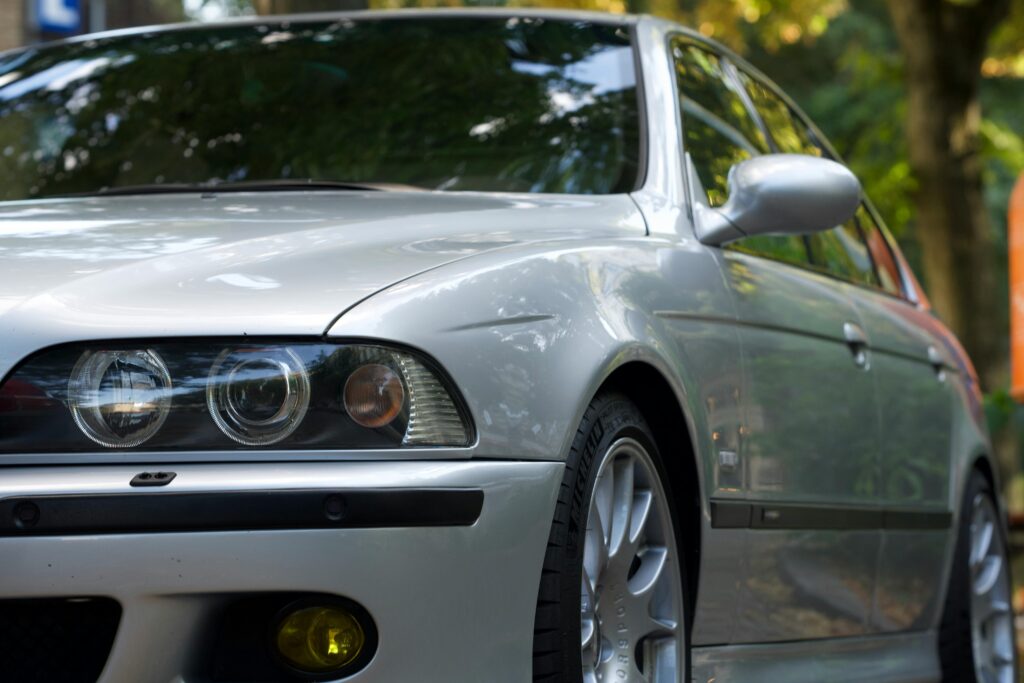
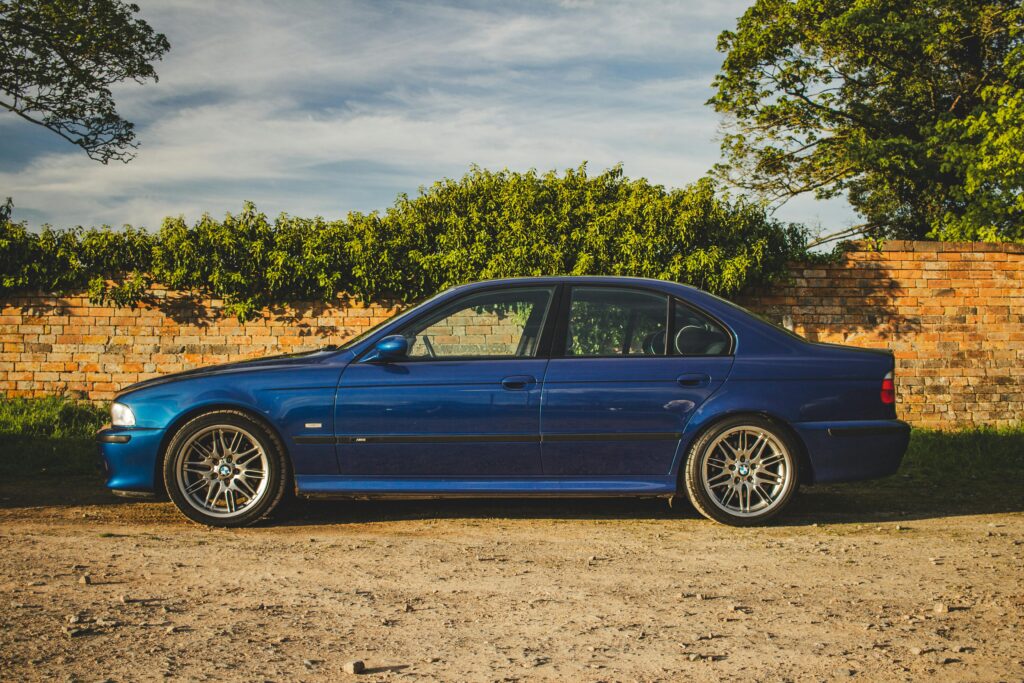
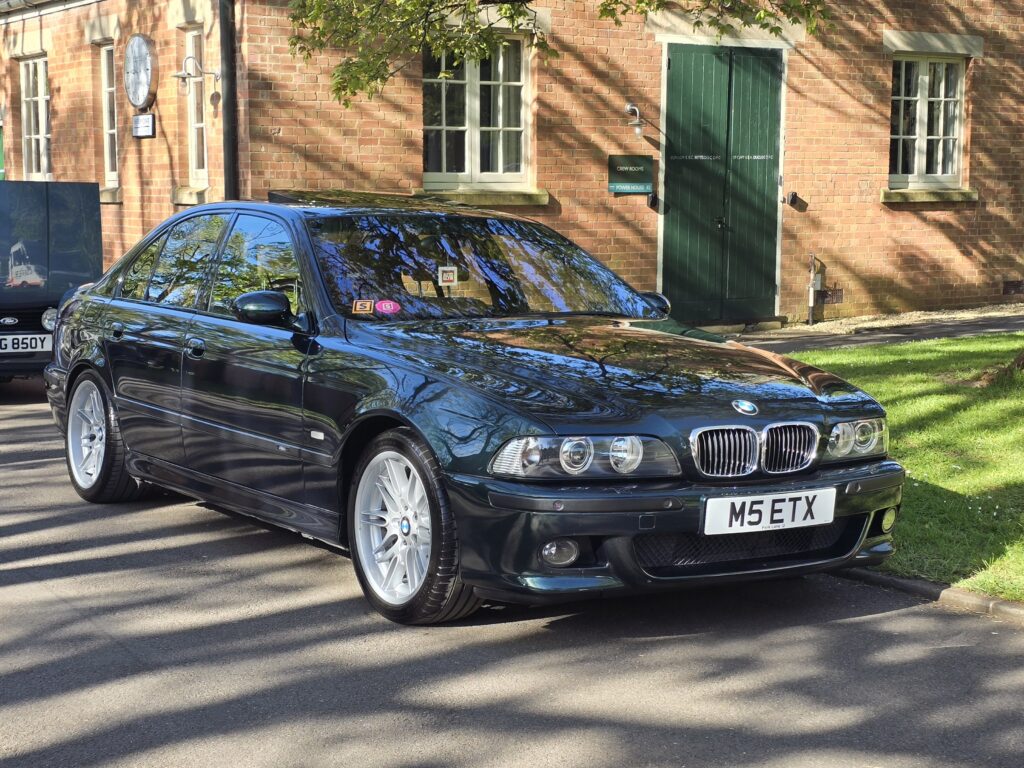
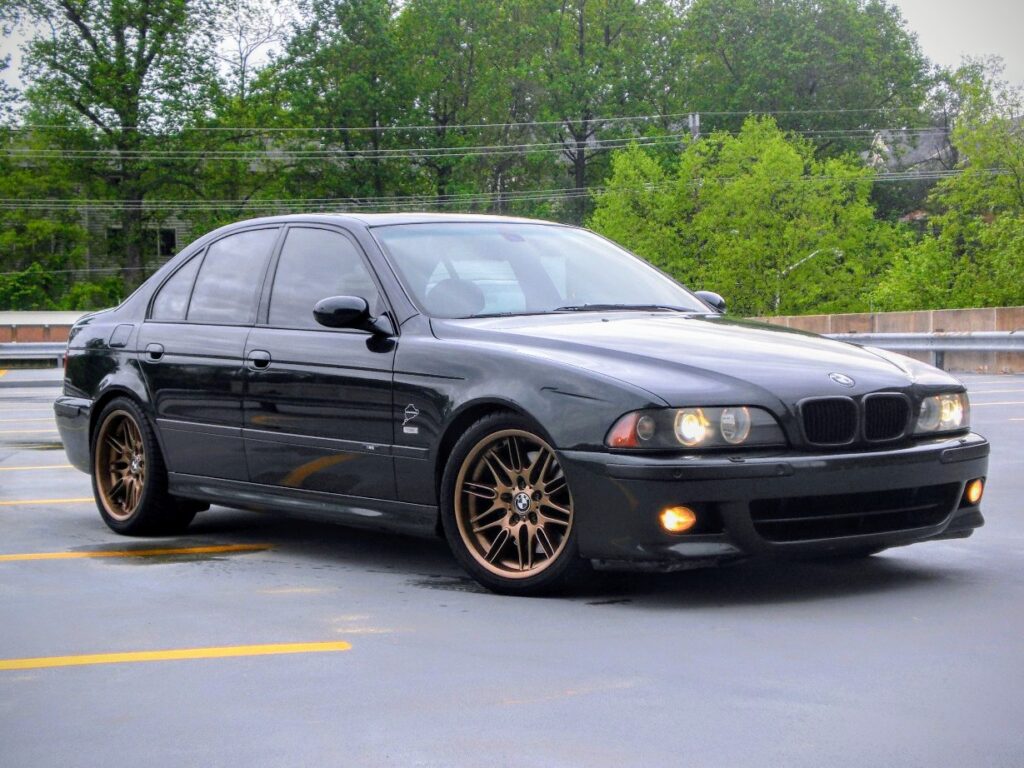
The E39 M5 did not offer the same spectrum of hero colors as the E46 M3. The most sought-after colors in the US market are Imola Red, Le Mans Blue metallic, Carbon Black metallic, Alpine White, and Oxford Green metallic. According to Road & Track, rare colors like Imola Red, Carbon Black, Le Mans Blue, Alpine White, and Oxford Green command a premium over silver and black at equivalent condition. If your goal is maximum investment upside, avoid silver. The standard black interior is perfectly acceptable; an individual or contrast interior specification adds a premium.
Originality
Modifications hurt value on any collector car. The E39 M5 is no different. Aftermarket exhausts, intake systems, suspension changes, and especially engine modifications reduce the pool of buyers willing to pay collector prices. The exception is sympathetic, reversible modifications — period-correct upgrades that do not alter the factory character. An unmodified car in original paint with its factory interior will always command the top of the market.
Pre-Purchase Inspection
Get one. A specialist BMW independent who knows the E39 platform will find the VANOS condition, the chain tensioner, the bushing wear, and the rust before you do. The cost is a few hundred dollars. On a $40,000+ purchase, it is mandatory.
Best BMW E39 M5 Investment Tiers
Any BMW E39 M5 is better than no E39 M5. However, as time goes on, some are bound to perform better than others. Here are our top picks for a future BMW E39 M5 investment case.
Tier 1 — Concours / Collector Grade
Low mileage, rare colour, full factory spec, complete documented history, rust-free
This is the top of the market. A sub-50,000-mile E39 M5 in Imola Red, Le Mans Blue, or Oxford Green, with factory specification intact, all documentation from new, and rust-free bodywork. These are the cars that have crossed six figures at auction and will continue to do so. If you find one and the price is fair, buy it — these do not come back to market often, and the pool gets smaller every year.
Tier 2 — Clean Investment Grade
Average or higher mileage, desirable colour, complete specialist history, major maintenance documented
This is the most accessible tier with the clearest upside. A well-maintained E39 M5 in a desirable colour — not silver or black — with documented VANOS work, timing chain tensioner, and cooling system, sitting in the $35,000–$55,000 range. This is where the quality premium is most underpriced relative to where the car is heading. Buy here, document everything going forward, keep it original, and hold.
Tier 3 — Driver Grade
Higher mileage, standard colour, reasonable condition, partial history
A $20,000–$30,000 E39 M5 in silver or black with reasonable history and no obvious rust. This is a car to drive and enjoy while the market matures. The upside is real but slower, and you will need to budget for maintenance. The key is to verify the VANOS and chain tensioner before you buy — an unknown-history high-mileage S62 is a risk, not a bargain.
Avoid
Unknown history, visible rust, engine noise, missing documentation
An E39 M5 with no service history, rust on the sills, and a VANOS rattle at idle is a parts car or a restoration project — not an investment. The S62 is an expensive engine to rebuild properly. The double VANOS, the timing chain guides, the chain tensioner, and the MAF sensors all cost real money to address. A cheap E39 M5 with no history can quickly become a $15,000 repair bill on top of the purchase price.
The Verdict
The BMW E39 M5 is a very good investment, likely one of the best ones you can do in the current BMW M market. It is also one of the best all-around driver’s cars ever built — which matters, because the best investments in this market are the ones where the enjoyment case and the financial case align.
The structural argument is simple: 20,482 units total, most of them used hard through the early 2000s and mid-2010s when these cars were cheap. Clean, unmodified, documented cars are a genuinely finite and shrinking resource. The analog premium is real and growing.
The generational demand wave is building. And the car itself — naturally aspirated V8, six-speed manual, hydraulic steering, rear-wheel drive — represents a set of attributes that BMW will not be putting into an M5 ever again.
Classic Car Gang covers the modern classics market with no editorial filters. If you found this useful, check out our other articles!
Get notified when we publish new articles. No spam.

Marko Mikulic is a classic and modern classic car writer with over a decade of hands-on enthusiasm. He has published more than 10,000 automotive articles with bylines at Jalopnik, SlashGear, The Driver Advisor, and CarArac. He owns a Mercedes R129 SL — having previously owned an R107 and a BMW E30 M3. He founded Classic Car Gang to cover the cars worth buying, owning, and investing in, without editorial filters.