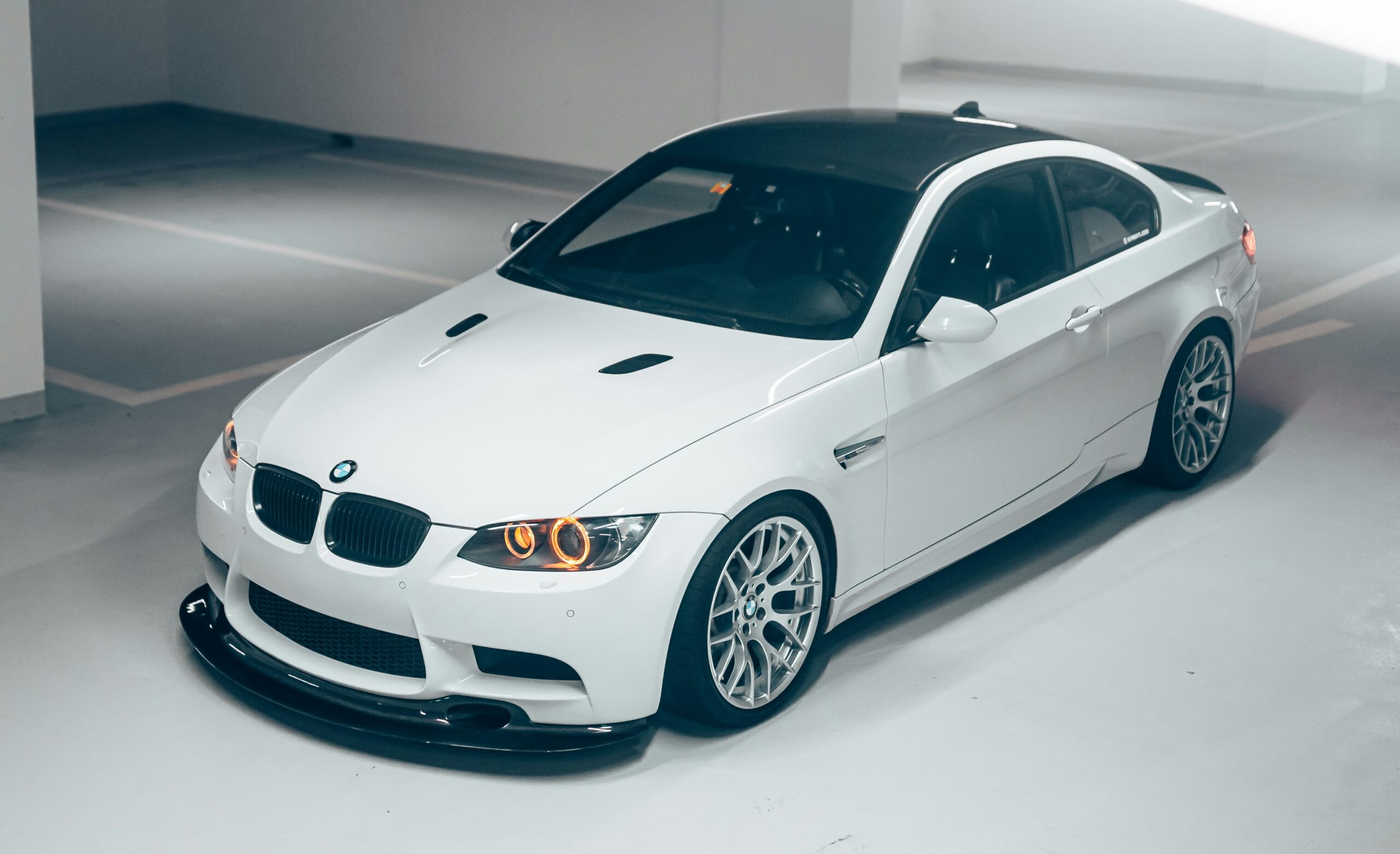

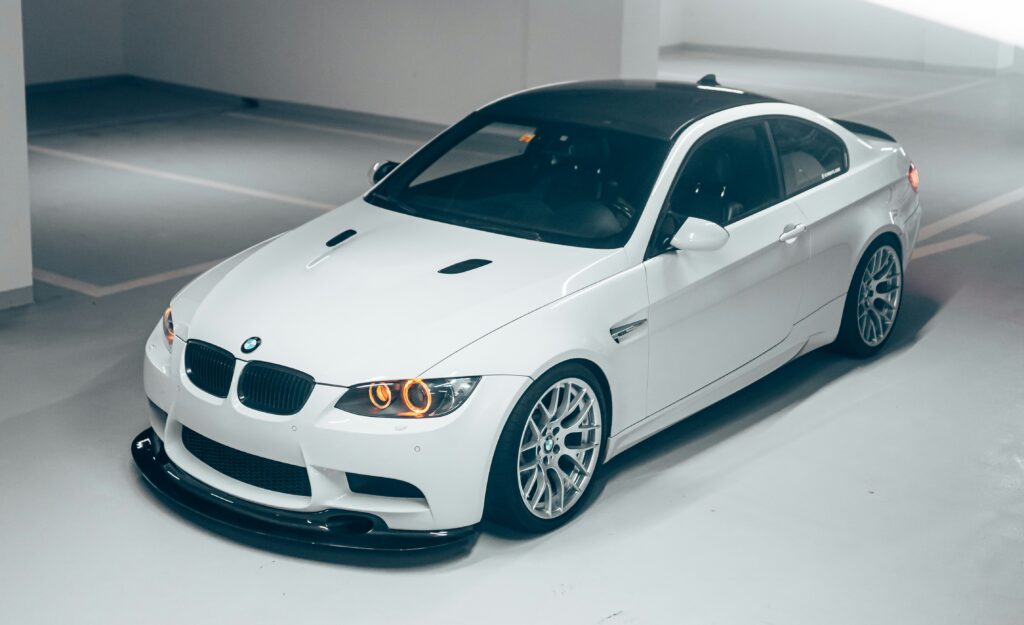
The BMW E92 M3 never needed to be the last of anything to become legendary. It already was, simply based on how it drives. The screaming 4.0-liter naturally aspirated V8, razor-sharp handling, and the 8,400 RPM redline made sure of that.
The E92 became the final naturally aspirated BMW M car ever built. The only V8 M3 with two doors. The last M car from an era before turbocharging changed performance cars forever. When production ended in July 2013, an entire chapter of BMW M died with it.
Since then, every M3/M4 has gone turbo. Faster on paper, maybe. But none of them feel like the E92. That is why this car is no longer just a used performance coupe. It is becoming a modern classic that people look back to when criticizing modern BMWs.
This guide breaks down where the BMW E92 M3 investment market stands today, which specs collectors want most, what cars to avoid, and why the smartest buyers are moving now before values climb even higher.
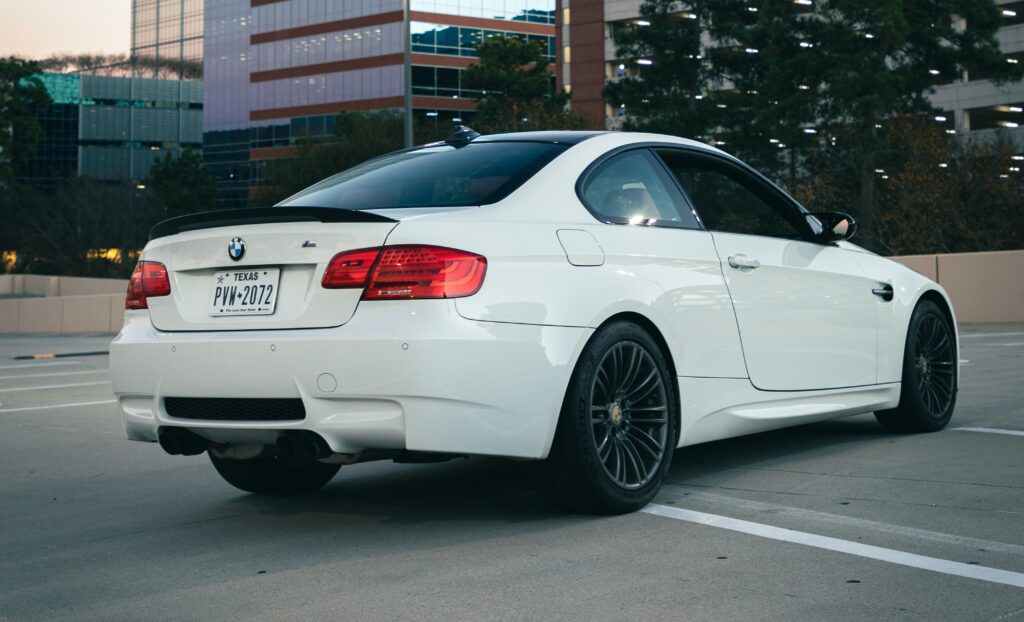
Table of Contents
Meet the BMW E92 M3
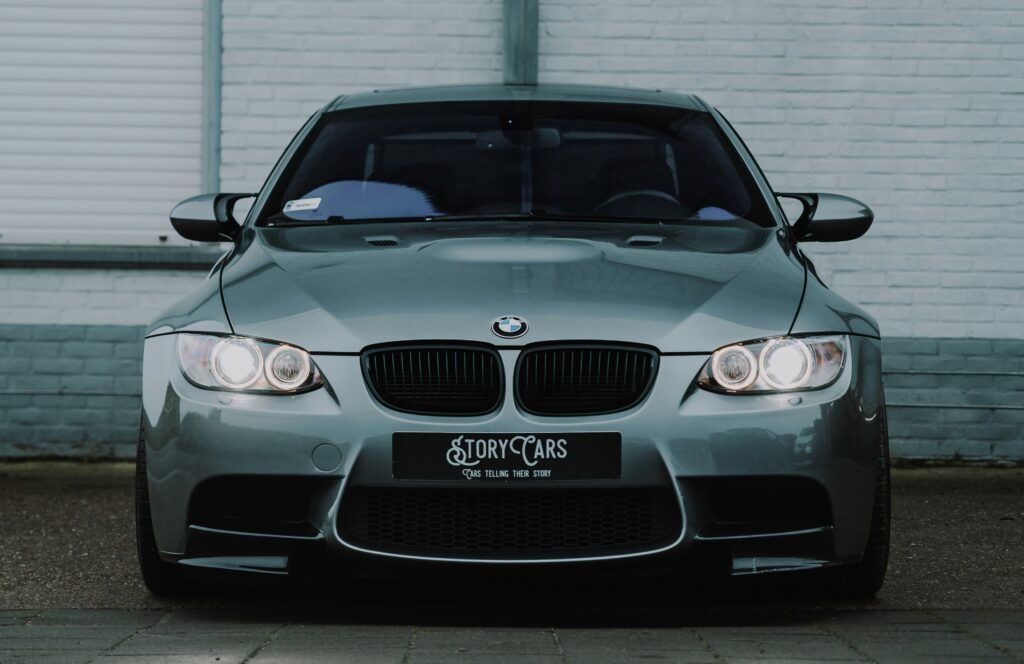
BMW launched the E92 M3 at the 2007 Geneva Motor Show, and it immediately made waves — not because it was a new M3, but because of what was under the hood. The previous E46 used a straight-six. Everyone expected the E92 to follow suit, perhaps with a turbocharged unit. Instead, BMW M gave it a 4.0-litre naturally aspirated V8.
That engine is the S65. It is a 90-degree V8 derived from the S85 V10 used in the E60 M5, sharing its architecture but losing two cylinders to improve response and reduce weight. The result is 414 hp at 8,300 rpm, 295 lb-ft of torque at 3,900 rpm, and an 8,400 rpm redline. It feels good, it sounds good, and it’s the only time BMW used it.
As Top Gear wrote in their original 2007 review, “this is an engine that Ferrari would be proud of.” Individual throttle bodies for each cylinder mean the response is like an on and off switch. The S65 also uses a double wet sump system with an industrial-grade oil pump specifically to prevent oil starvation during hard cornering.
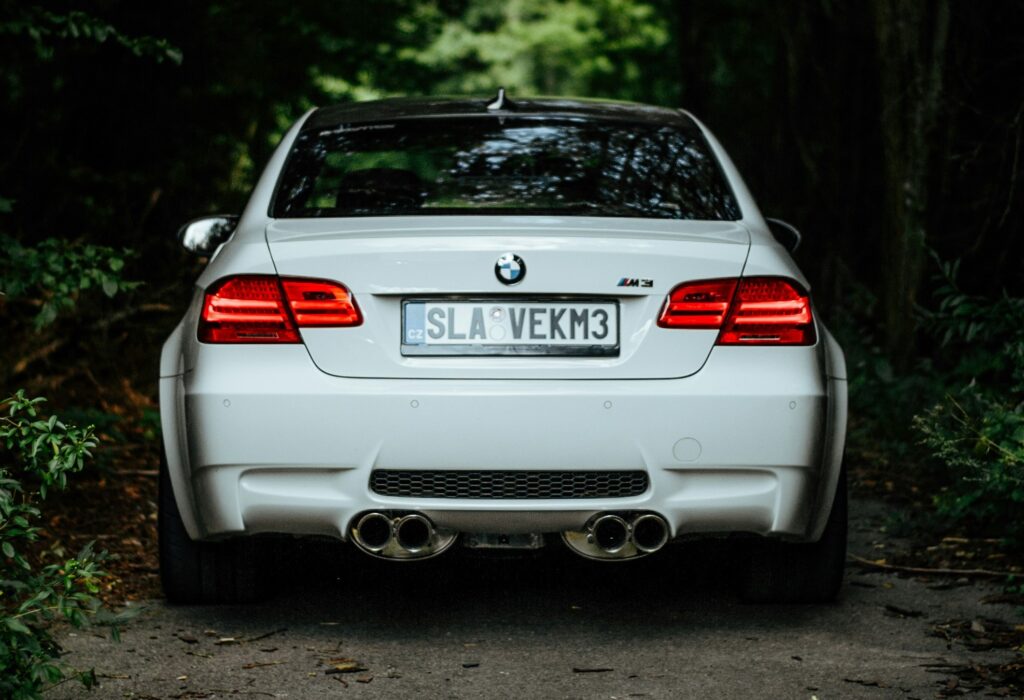
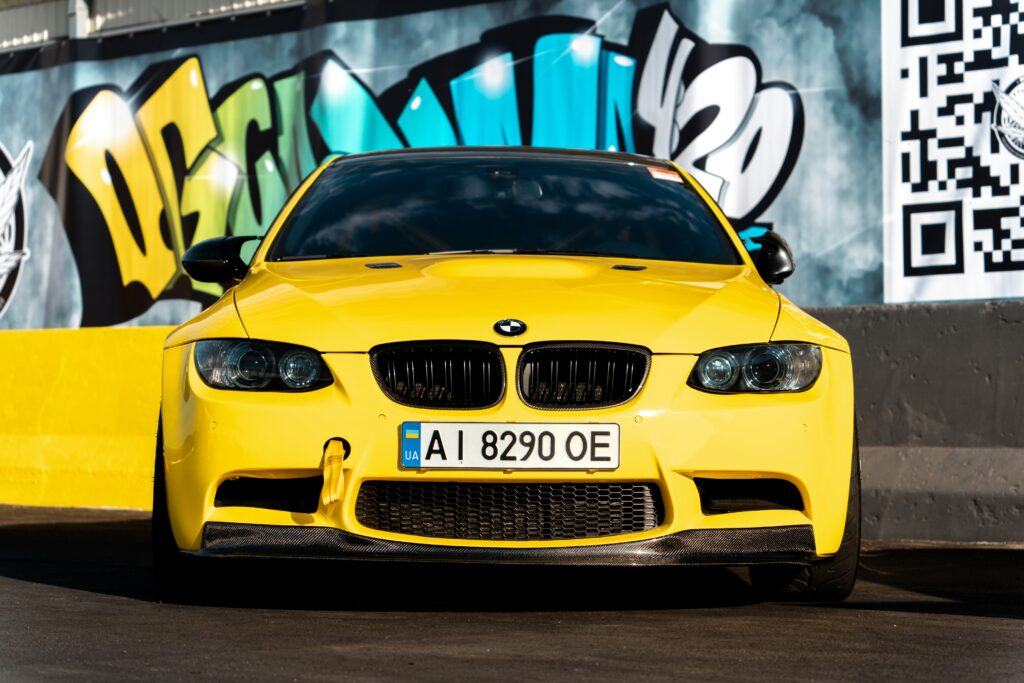
The E92 body — the coupe — is where the investment conversation lives. Over 40,000 examples of the E92 M3 coupe were produced. It got a carbon fibre reinforced plastic roof to lower the centre of gravity, a widened body, a revised front bumper and bonnet with functional vents, and a flat underbody for aerodynamic efficiency. The lighter coupe model could sprint to 60 mph in 4.6 seconds.
The chassis is a proper M car underneath. Strut front, multi-link rear, with M-specific front subframe and control arms. The E92 also offered BMW’s EDC adaptive damper system — three settings, adjustable on the fly. The M button on the steering wheel stores your preferred configuration across throttle map, steering weight, and damping in one thumb press.
Two transmissions were offered: a six-speed manual and a seven-speed M-DCT dual-clutch automatic. Both matter for the investment conversation, and not equally — more on that below. The last E92 M3 left the factory in July 2013. The E93 convertible limped on slightly longer and was the final E9x body, but the coupe’s end in 2013 is the line in the sand. After that, BMW went turbocharged and has never looked back.
The Full BMW E92 M3 Variant Lineup
Body styles:
- E92 Coupe (2008–2013) — The two-door fastback. Carbon fibre reinforced plastic roof, widened body, and the one collectors and enthusiasts care about. Available with manual or DCT.
- E90 Sedan (2008–2011) — Four-door version of the same car. Ended production two years earlier than the coupe. Lighter than the coupe but carries less desirability with buyers.
- E93 Convertible (2008–2013) — Full hard-top. Heavier and structurally compromised versus the coupe. The last E9x body to leave the factory, but the least collectible of the three.
Engine:
- S65 4.0-litre naturally aspirated V8 — One engine, across all body styles and model years. 414 hp at 8,300 rpm, 295 lb-ft of torque at 3,900 rpm, 8,400 rpm redline. Individual throttle bodies per cylinder, double wet sump system. The only naturally aspirated V8 engine ever fitted to a production M3 coupe, and the last naturally aspirated engine BMW M has ever put in any M3.
Transmission options:
- Six-speed manual — The collector-correct choice. Produced in smaller numbers than the DCT and commands a consistent premium on the market.
- Seven-speed M-DCT — BMW’s dual-clutch unit, available from launch. Fast, capable, and entirely acceptable as a driver’s car.
Special variants:
- Competition Package / ZCP (2011–2013) — A $2,500 factory option adding revised EDC calibration, raised DSC slip threshold, 19-inch alloys pushed to the extremities of the fender wells, and a 0.4-inch lower ride height. Available with both transmissions.
- Lime Rock Park Edition (2013) — Just 200 examples built, with 128 DCT and 72 manual. Frozen Silver paint, Competition Package standard, unique interior. The rarest production E92.
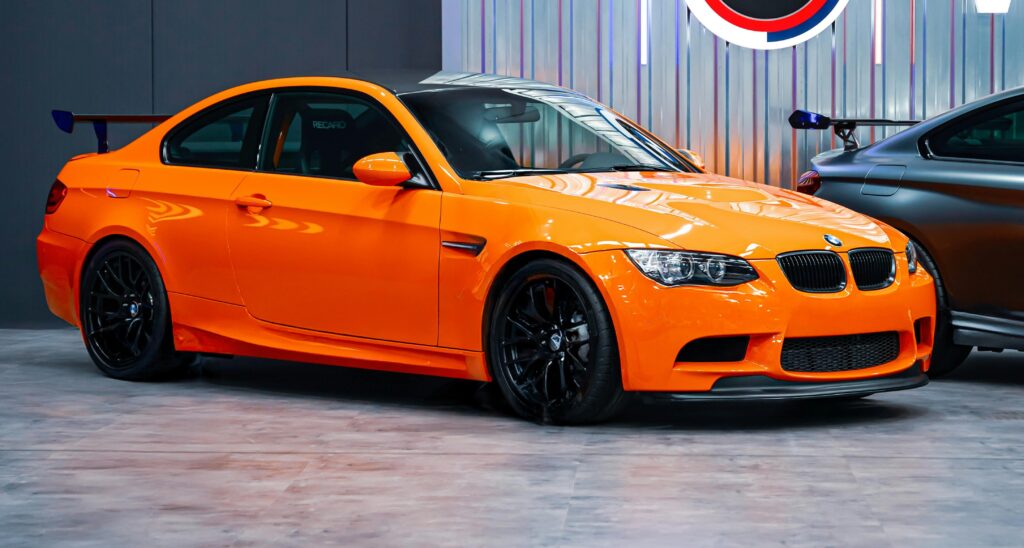
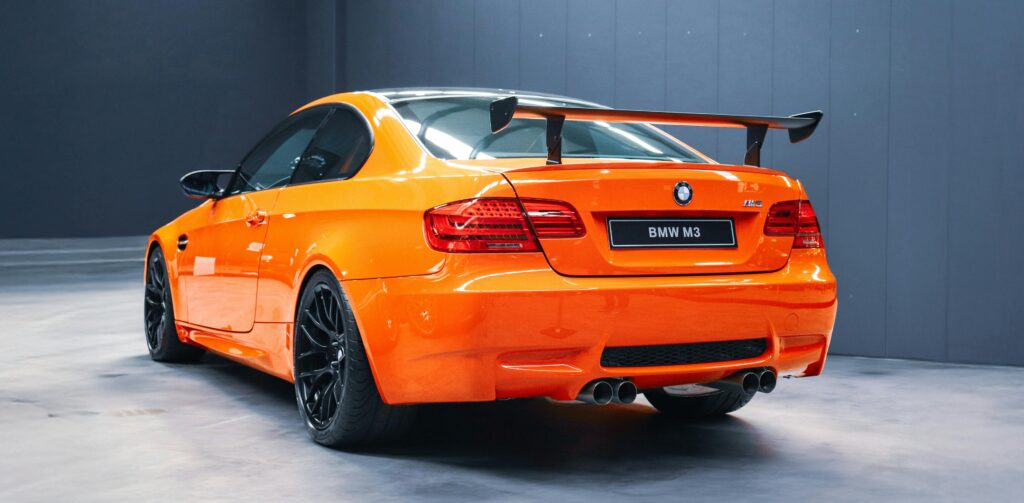
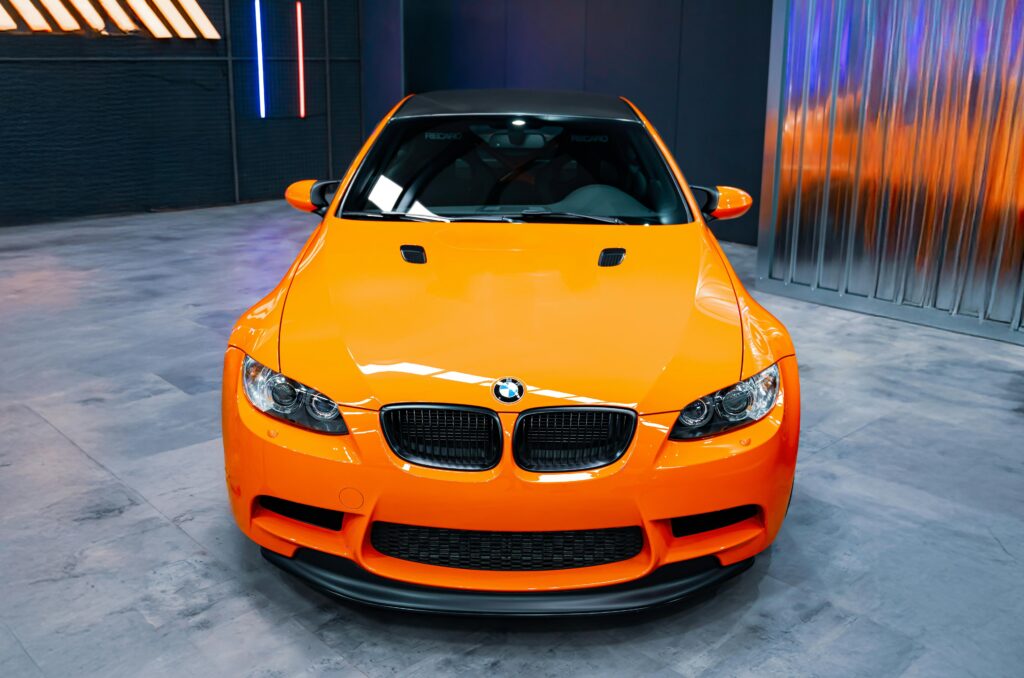
- M3 GTS (2010) — Only 150 examples produced, all in Fire Orange, all coupes. Track-focused, stripped, priced for serious collectors only.
The BMW E92 M3 Investment Market
The average sale price across the entire E90/E92/E93 M3 generation is $41,565 according to Classic.com. But that number spans everything from beaten-up high-milers to pristine low-kilometre examples, and the spread is enormous.
The lowest recorded sale was $12,121 for a 2008 M3 Convertible in September 2024. At the other end, the highest recorded sale in the GTS category was $269,375 for a 2010 M3 GTS in October 2025.
For the standard coupe with DCT, the lowest recorded sale was $13,000 for a 2008 M3 in November 2024. For the ZCP coupe with manual, the picture is considerably stronger: the average sale price is $52,302, with the highest recorded sale reaching $205,392 for a 2011 M3 Competition in April 2026.
The Lime Rock Park Edition has its own tier entirely. The average sale price for a Lime Rock is $79,776, with the highest recorded sale reaching $263,200 in August 2022. A 2013 Lime Rock sold for $200,000 as recently as May 2026.
BMW E92 M3 Investment Value Table
| Variant | Low | Average | High |
|---|---|---|---|
| E9x M3 (all variants) | $9,000 | $38,297 | $269,375 |
| E92 Coupe – DCT | $13,000 | $41,500 | $133,000 |
| E92 Coupe ZCP – Manual | $23,750 | $52,302 | $205,392 |
| E92 Lime Rock Park Edition | $35,333 | $79,776 | $263,200 |
| E92 M3 GTS | $172,500 | $204,063 | $269,375 |
Source: Classic.com
Why It’s Going Up
The E92 M3 investment case rests on one central argument: it is an irreplaceable object in BMW M history. BMW will not build another naturally aspirated M3. The company has committed fully to turbocharged engines, and electrification is next. The S65 V8 is a closed chapter, never to be repeated.
All M3s from 1986 to 2013 in the Hagerty Price Guide have appreciated 21% over the past five years, from an average of $36,600 to $44,400. The E92 is included in that cohort and has benefited from the broader trend. The BMW E46 M3 investment precedent is instructive.
The pattern for E92 M3 appreciation is estimated at 5 to 7 years, which means the window is either already open or about to be. One Reddit user with forum credibility made the point plainly: prices on the E46 M3 didn’t really go up until 2020 — 14 years after production stopped. The E92 ended in 2013. The math writes itself.
What is already happening at the top of the market confirms the direction. A 2011 M3 Competition with manual transmission sold for $205,392 in April 2026. That is not an outlier anomaly — it reflects what happens when a low-mileage, correct-spec E92 reaches a buyer who understands what it represents.
The naturally aspirated angle is the core of it. BMW’s M division is going fully electric with the next M3. When that happens, the contrast between the S65 and whatever replaces it will become even starker, and the cars that still have the V8 will only become rarer as attrition takes its toll.
Besides just the engine, the E92 generation of the M3 sits at a perfect spot between being new enough for daily driving, while also being old enough to not be watered down by filters, regulations, and emissions. It has the classic BMW M traits: angel eyes, orange backlit instruments, a manual, rear-wheel drive, and tail-happy rear.
Around 40,000 E92 M3s were built. Although that sounds like a big number, we do need to keep in mind that that number is only dwindling as the years go on. If we only consider half decent examples that haven’t been crashed or modified beyond recognition, that number isn’t as large as it seems.
Ultimately, the BMW E92 M3 represents an era of BMW M that is not going to be repeated. It is the last non-compromised BMW M car, and that in itself is going to keep it relevant for decades to come.
Common BMW E92 M3 Problems
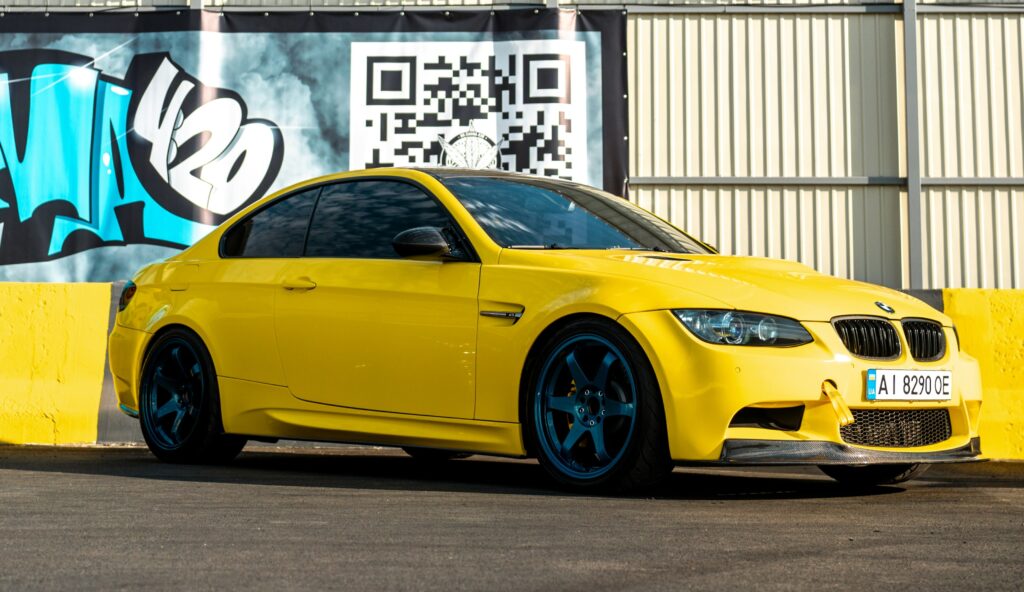
The S65 is a special engine. It is also a maintenance-intensive one, and going into a BMW E92 M3 investment without understanding its known failure points is how you end up with an expensive problem rather than a good investment.
- Rod Bearings — The most discussed issue with the S65. The bearings can fail when oil changes are not done frequently enough or when the engine is pushed hard before oil reaches proper operating temperature. The S65 uses 10W-60 oil — a thick, motorsport-grade fluid that takes longer than average to reach full temperature. Preventative rod bearing replacement costs between $2,500 and $5,000 depending on location. Any investment-grade E92 should have documented rod bearing work, or you budget for it up front.
- Throttle Actuators — The second major failure point. The E92 has two throttle actuators — one per bank — that use plastic gears internally. When they fail, the car goes into limp mode. It will not cause catastrophic engine damage, but it renders the car undriveable until fixed. Replacement costs around $1,700 in parts and labor.
- Idle Control Valve — Can cause rough idle, erratic RPM fluctuations, and limp mode. Replacement runs approximately $1,000.
- Coil Packs — OEM replacement for all eight runs approximately $1,300. Do not use aftermarket units on this engine.
- Spark Plugs — Often skipped, shouldn’t be. A full set of NGK plugs costs approximately $250 plus around $400 in labor.
Full preventative service bill — A full round of preventative maintenance including rod bearings, actuators, fluids, coil packs, and plugs runs between $8,000 and $9,000 at a reputable shop. Budget for this when calculating your all-in cost. Overall, the idea is similar to the BMW E39 M5 and most other 2000s BMWs — all of them have serious issues that can destroy the ownership experience if not dealt with in time.
What to Look for in a Good BMW E92 M3 Investment Car
The market always moves unpredictably, which means you can never know with complete certainty where prices are heading. Still, cars like the E92 M3 have several key factors that buyers need to understand before seriously considering one as an investment.
Service History
Full documented service history is a must. Specifically: rod bearing replacement receipts, oil change intervals of 3,000–5,000 miles (not the BMW-specified 10,000-mile interval, which is too long for the S65), and throttle actuator records if mileage warrants it. No paper trail means no deal.
Mileage
Under 60,000 miles is the sweet spot for investment-grade examples. Under 30,000 miles puts you in collector territory. Ultra-low-mileage cars (under 5,000 miles) are complicated — rubber, seals, and hoses deteriorate from sitting as much as from driving. A car that has been lightly used and properly maintained is better than one that hasn’t moved.
Transmission
Manual is the investment choice. The six-speed manual will always command a premium because it is the enthusiast-correct specification and because manual M3s were produced in smaller numbers. The DCT is a brilliant piece of engineering and entirely acceptable as a driver’s car, but it is not where the serious collector money gravitates.
Color
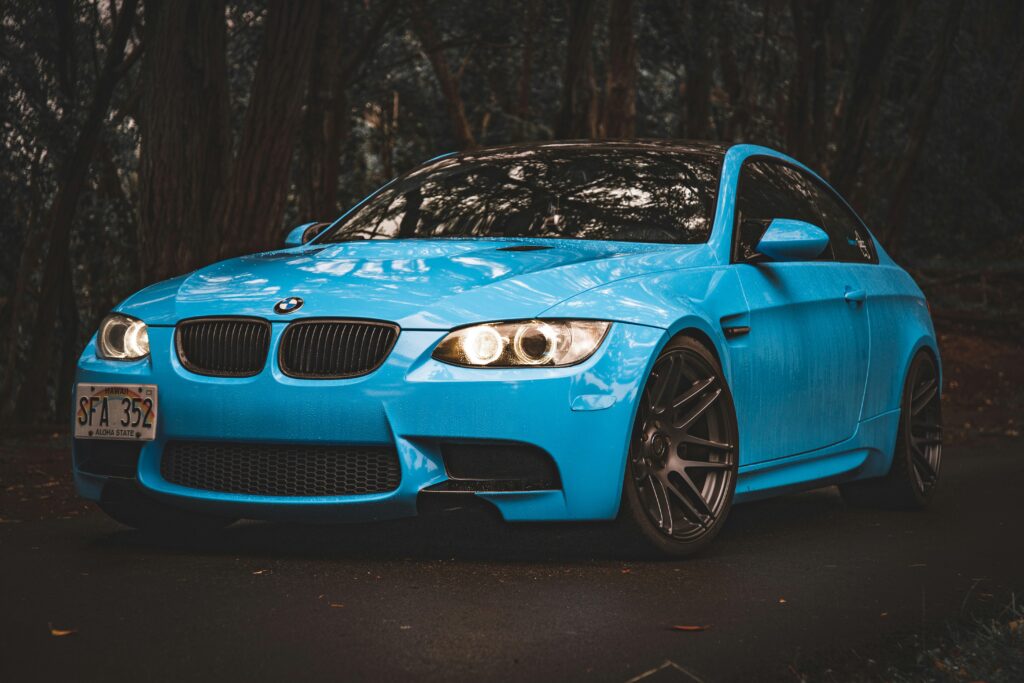
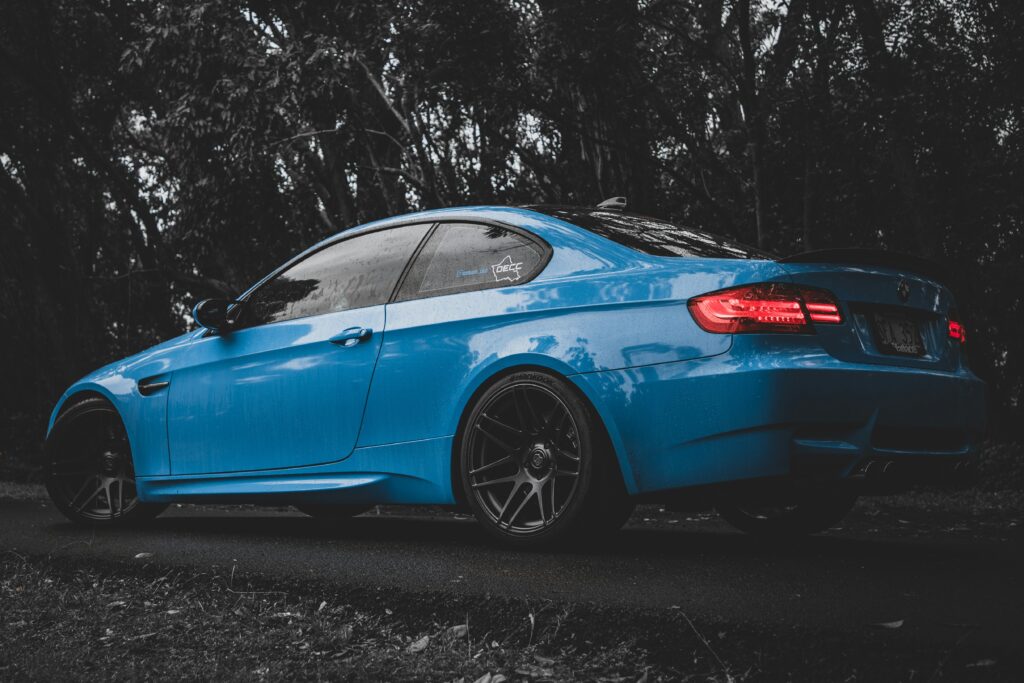
Individual colors and rare factory paint codes carry a premium. Laguna Seca Blue is the standout — it was a limited-run color and has become the signature E92 shade. Space Grey, Alpine White, and Jet Black in clean condition are all solid. Avoid heavy modifications to the exterior; original paint in good condition is always worth more than a respray.
Originality
Original suspension, original exhaust, unmodified engine. Modifications kill investment value. A tasteful set of aftermarket wheels is one thing. A built engine, cut springs, and a brake upgrade means the car has been used hard — and buyers looking at five-figure and six-figure ZCP examples do not want that history.
Pre-Purchase Inspection
A full pre-purchase inspection at a BMW M specialist is non-negotiable on any car above $40,000. The money spent on inspection is cheap relative to the cost of discovering problems after purchase.
Best BMW E92 M3 Investment Tiers
All BMW E92 M3 variants are amazing cars, whether you want to enjoy the open-top experience of the convertible or take the whole family on a spirited drive in the E90 M3. Still, the BMW E92 M3 investment market favors certain variants more than others.
Tier 1 — Collector Grade
A 2013 Lime Rock Park Edition with under 15,000 miles, manual transmission, unmodified, with full service history. This is the blue-chip E92 investment. These are trading at $70,000–$200,000 depending on mileage and specification. The 72 manual examples will only get rarer.
A ZCP coupe with manual, late model year (2012–2013), under 30,000 miles, in a desirable individual color also belongs here. The ZCP manual averages $52,302 and has already seen highs above $200,000 for exceptional examples.
Tier 2 — Investment Grade
A standard E92 M3 coupe with manual transmission, under 60,000 miles, clean service history, original specification, in a desirable color. This is the accessible entry into the market. Budget $30,000–$50,000 for a genuinely clean example. This is the tier where the appreciation story plays out over the next decade.
Tier 3 — Driver Grade
A DCT coupe with moderate mileage and full service history. You get the S65 experience at a lower buy-in. Hagerty reports that a coupe in good condition is available for around $38,000, while even a mint example can be had for under $60,000. Driver-grade DCT cars will likely appreciate too, but more slowly and less dramatically than clean manuals.
Avoid
Any E92 M3 with a modified engine, unknown service history, tracked history with no documentation of maintenance, or one that has been sitting undriven for years with very low mileage and no evidence of regular fluid changes. Also avoid the convertible if investment value is your primary goal — it adds weight, complexity, and collector indifference.
The Verdict
The BMW E92 M3 investment is not guaranteed. What it is, is the only naturally aspirated V8 M3 that will ever exist, produced in a finite number, and already showing the early signs of the appreciation pattern that played out with the E46 M3 before it.
The window to buy a clean investment-grade example at a reasonable price is narrowing. ZCP manuals are already trading well above average. Lime Rocks with low mileage are in six-figure territory. Standard manual coupes in good condition are still available in the $30,000–$45,000 range — but that range will not hold indefinitely.
As one long-time E92 owner put it: “if this vehicle is on your short list to own, buy it now before it gets crazy expensive.” That was said a few years ago. It is more true today. The S65 V8 is the last and only of its kind, and that will forever count.
Classic Car Gang covers the modern classics market with no editorial filters. If you found this useful, check out our other articles!
Get notified when we publish new articles. No spam.

Marko Mikulic is a classic and modern classic car writer with over a decade of hands-on enthusiasm. He has published more than 10,000 automotive articles with bylines at Jalopnik, SlashGear, The Driver Advisor, and CarArac. He owns a Mercedes R129 SL — having previously owned an R107 and a BMW E30 M3. He founded Classic Car Gang to cover the cars worth buying, owning, and investing in, without editorial filters.