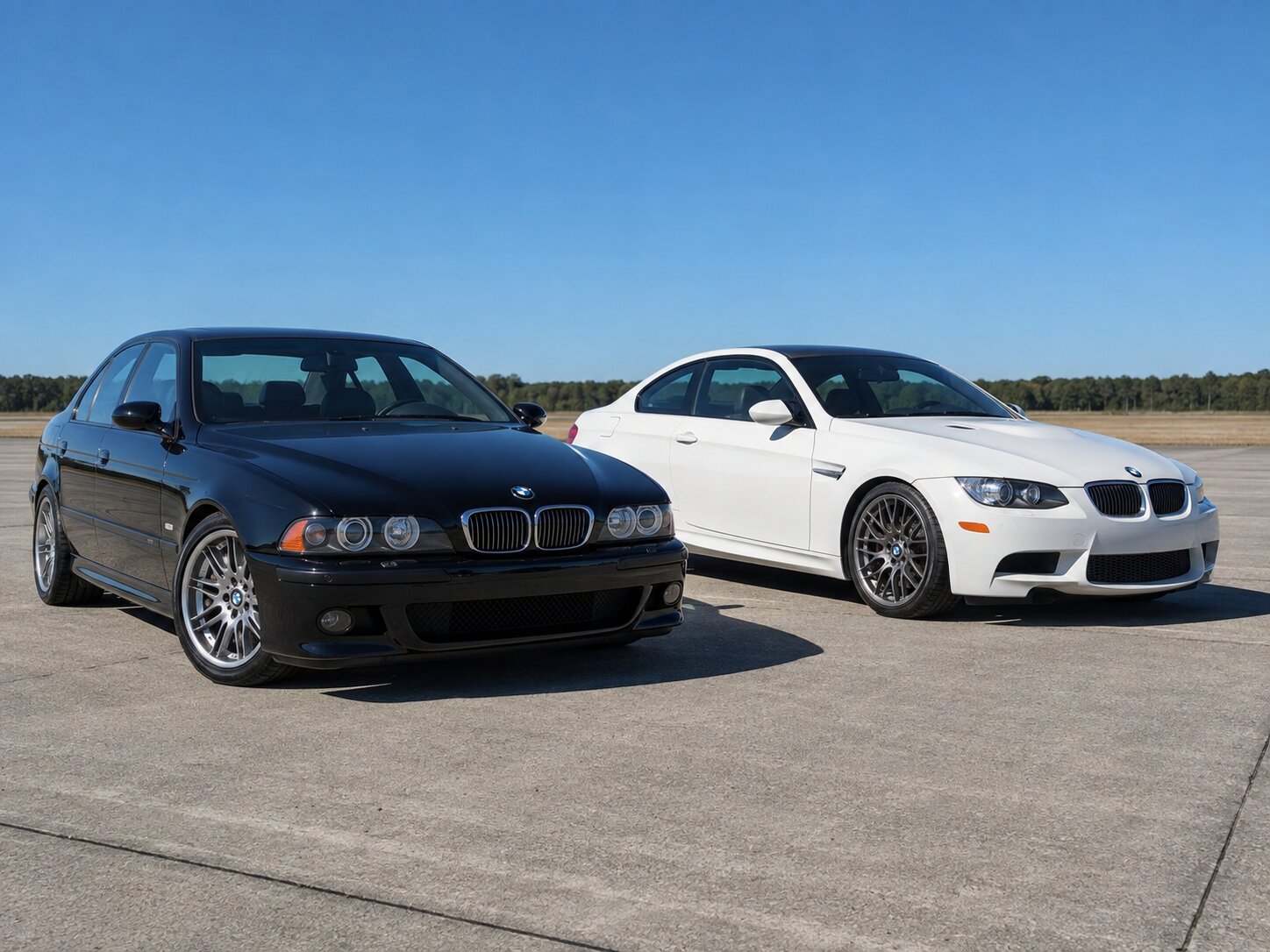

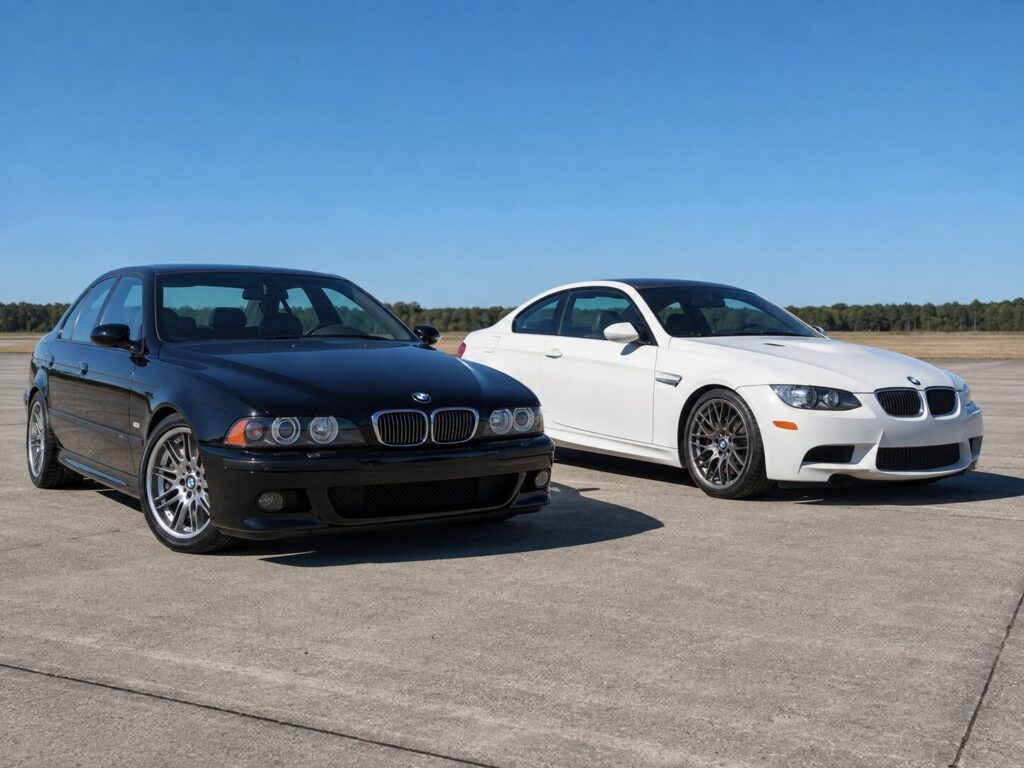
BMW M has built exactly one M3 with a naturally aspirated V8, and exactly one M5 with a naturally aspirated V8. Those two cars are the BMW E92 M3 and the BMW E39 M5, and the fact that they exist at all makes them outliers in their own bloodlines. The M3 went back to six cylinders after the E92. The M5 went to a V10 and then to turbocharging after the E39. Neither formula was ever repeated.
That alone would be enough to put them in the same conversation, especially if you love a V8, and let’s face it, we all do. But there is more connecting them than cylinder count. Both scream toward high redlines through individual throttle bodies. Both were sold with a proper six-speed manual. Both wear understated bodywork that hides just how serious they are. And both currently trade in a price range where a single garage spot and a sensible budget genuinely forces you to pick one.
And both currently trade in a price range where a single garage spot and a sensible budget genuinely forces you to pick one. That choice is harder than it looks. One is a two-door sports coupe that revs to 8,400 rpm. The other is a four-door executive saloon that was the quickest production sedan in the world when it launched. So, BMW E92 M3 vs BMW E39 M5: which one should you buy?
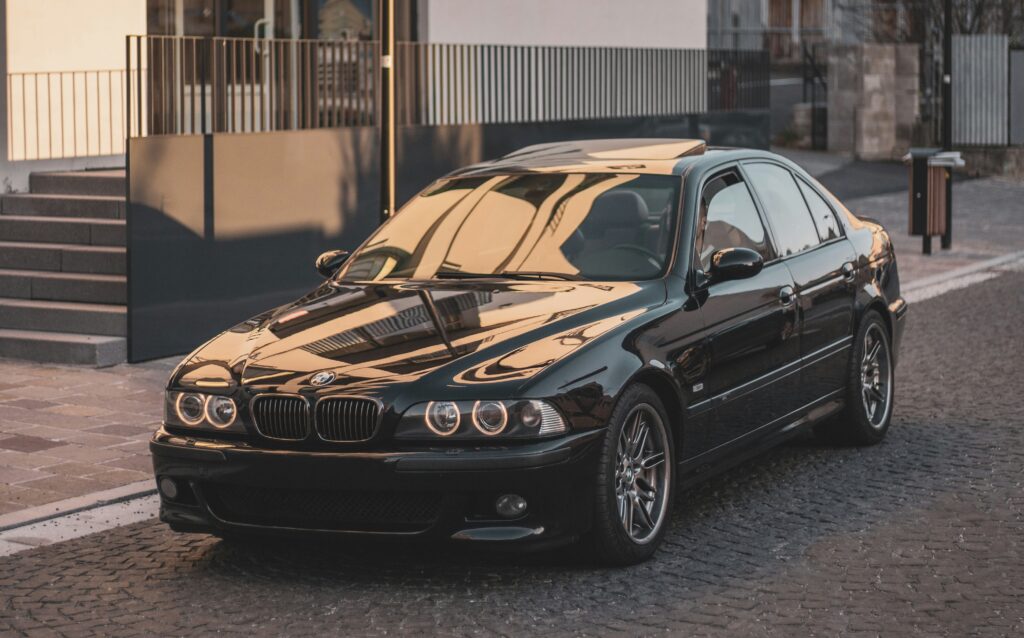
Table of Contents
BMW E92 M3 vs BMW E39 M5: Quick Specs Comparison
All figures for manual transmission cars, U.S. market unless noted.
| BMW E92 M3 | BMW E39 M5 | |
|---|---|---|
| Years | 2008–2013 | 1999–2003 |
| Engine | 4.0L NA V8 (S65) | 4.9L NA V8 (S62) |
| Power | 414 hp @ 8,300 rpm | 394 hp @ 6,600 rpm |
| Torque | 295 lb-ft @ 3,900 rpm | 369 lb-ft @ 3,800 rpm |
| Redline | 8,400 rpm | 7,000 rpm |
| 0–60 mph | ~4.6 sec | ~4.7 sec |
| Top Speed | 155 mph (limited) | 155 mph (limited) |
| Weight (kerb) | ~3,704 lb | ~4,024 lb |
| Drive | RWD, front-engine | RWD, front-engine |
| Transmission | 6-speed manual / 7-speed DCT | 6-speed manual only |
| Doors | 2 (coupe) | 4 (saloon only) |
| Production | ~40,000+ coupes | ~20,482 total |
| US Price (new) | ~$57,275–$62,325 | ~$69,400–$73,000 |
The Cars: What You’re Actually Buying
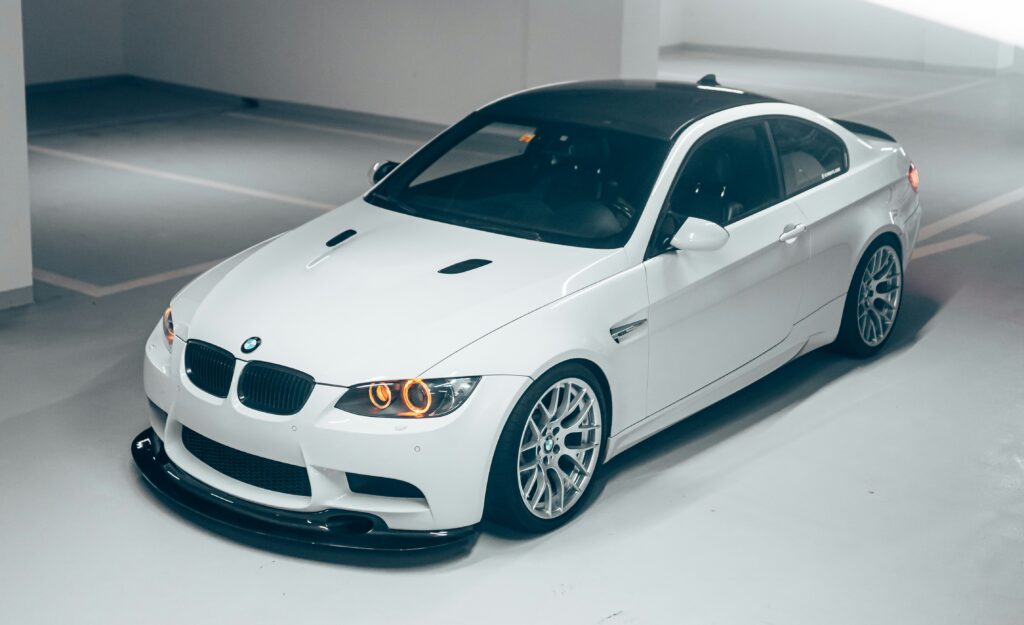
BMW E92 M3
The BMW E92 M3 was first shown at the 2007 Geneva Motor Show carrying the biggest philosophical break in M3 history. After two decades of four and six-cylinder engines, BMW M dropped the S65 into the engine bay — a 4.0-liter naturally aspirated V8 producing 414 hp at 8,300 rpm and 295 lb-ft of torque at 3,900 rpm, with a redline of 8,400 rpm and an individual throttle body for each of its eight cylinders.
The S65 was not a corporate engine with an M badge on the cover. It was created by removing two cylinders from the S85 V10 found in the E60 M5, which makes it a pure BMW Motorsport design with no equivalent anywhere in the regular BMW lineup. EVO called the result “one of the great naturally aspirated V8s,” and it is difficult to find anyone who disagrees.
The E92 could be ordered with a six-speed manual or, from 2008, the seven-speed M DCT — the first dual-clutch transmission ever offered in an M3. The manual is the transmission the collector market prefers, and it is the specification this comparison focuses on. Longtime BMW factory racing driver Bill Auberlen summed up the E92 to Motor1 in five words: “Best car they ever made.”
For the M3 lineage, the E92 is a one-off. There was no V8 M3 before it, and after production ended in 2013, there will never be one again.
BMW E39 M5
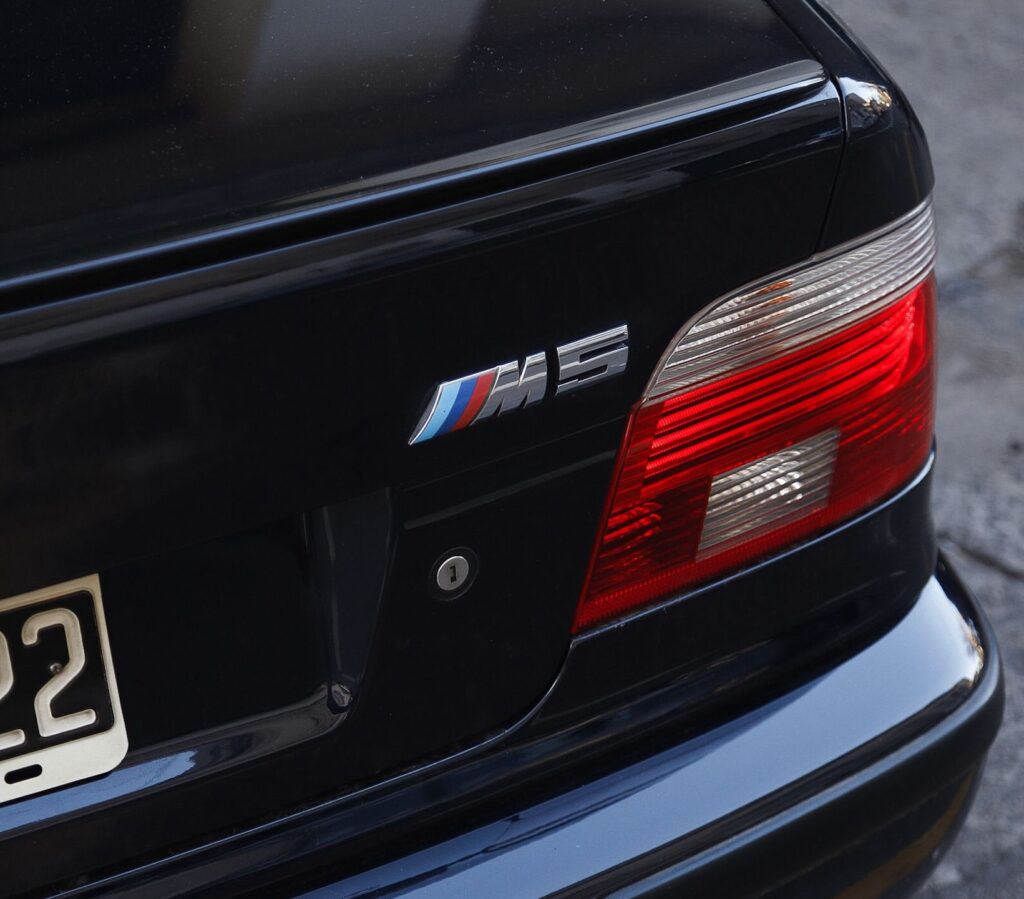
The BMW E39 M5 arrived at the 1998 Geneva Motor Show and immediately rearranged the performance sedan hierarchy. Under the hood sat the S62 — a 4.9-liter naturally aspirated V8 producing 394 hp at 6,600 rpm and 369 lb-ft of torque at 3,800 rpm. It was the first V8 ever fitted to an M5, and it remains the only naturally aspirated V8 the M5 has ever had.
The S62 was developed from the 4.4-liter V8 in the 540i, but BMW M rebuilt it into something else entirely: individual throttle bodies, double VANOS variable valve timing on both camshafts, a semi-dry sump, and a 7,000 rpm redline. BMW considered the engine special enough to put it in the Z8 roadster as well. Every single E39 M5 came with a six-speed manual gearbox — no automatic, no SMG, no exceptions.
The numbers made history. When it launched, the E39 M5 was the quickest and fastest four-door production car in the world. Yet it looked like a slightly lowered 5 Series on bigger wheels — the definitive wolf in sheep’s clothing, decades before that phrase became a marketing cliché.
BMW built 20,482 examples before production ended in 2003, of which just under 10,000 came to the U.S. market. For context, that is roughly half the number of E92 M3 coupes alone. The E39 M5 is the rarer car by a wide margin, and its owner community is famously one of the most devoted in the entire BMW world.
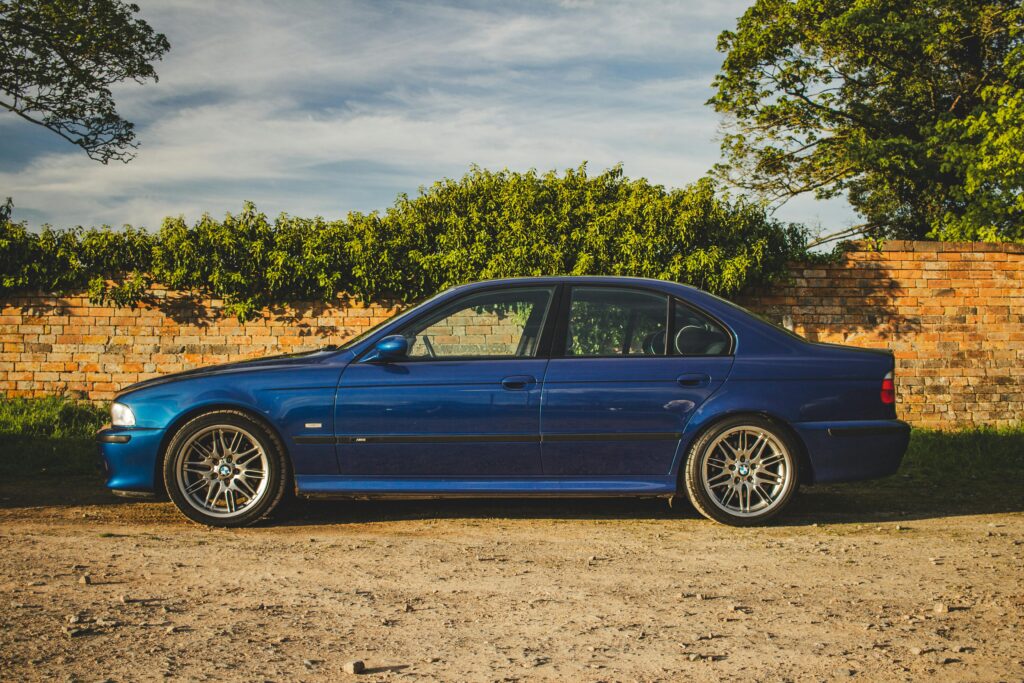
BMW E92 M3 vs BMW E39 M5: The Driving Experience
Engine, Performance, Sound
On paper, these two are closer than the model numbers suggest. The M3 makes 414 hp, the M5 makes 394 hp. Both hit 60 mph in the mid-to-high four-second range, and both are electronically limited to 155 mph. Car and Driver recorded a 4.3-second 0–60 run and a 12.7-second quarter mile at 113 mph with its long-term DCT-equipped E92, and period tests put the E39 M5 within a few tenths of those figures. In a straight line, there is nothing meaningful between them.
How they get there could not be more different.
The M5’s S62 delivers 369 lb-ft at just 3,800 rpm. That is 74 lb-ft more than the M3 makes at its peak, and it arrives everywhere. Third gear at 2,000 rpm, top gear on the freeway, half throttle out of a roundabout — the S62 responds instantly and pulls hard without being asked twice. It is the engine you use, all day, at any speed, in any gear.
The M3’s S65 is the engine you chase. Below 4,000 rpm it is smooth and civilized but not particularly eventful. In the Shifted Perspective comparison filmed by an owner of both cars, the E92’s low-rev character got summed up bluntly: “no one’s home until 6,000.” Past that point, the S65 becomes one of the most intense engines BMW has ever built — throttle response sharpens through the individual throttle bodies, the induction howl builds, and the final 2,000 rpm to the 8,400 rpm redline is an experience no turbocharged M car can replicate.
Sound is equally split. The S62 produces a deep, muscular V8 rumble that sounds expensive at idle and savage at full throttle. The S65 is higher-pitched, harder-edged, and closer to a race engine — especially with an aftermarket exhaust, which most owners fit because the stock system is conservative.
There is no loser here, only two different philosophies. The M5 gives you effortless, always-available V8 torque. The M3 gives you an 8,400 rpm event you have to earn. Pick based on which of those two sentences made your pulse move.
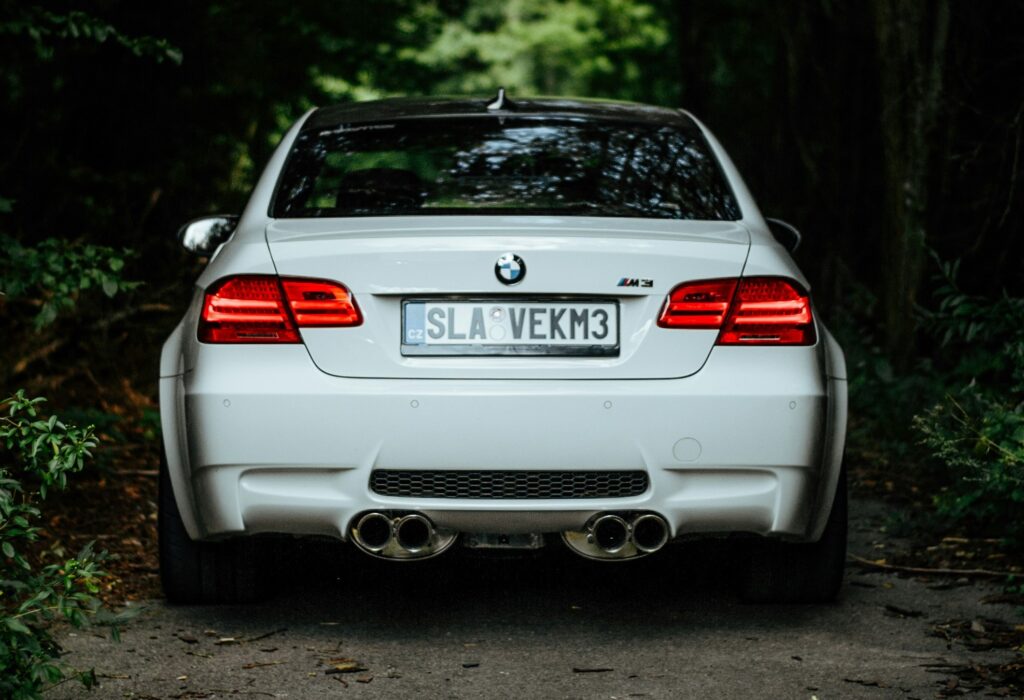
Handling, Dynamics, Driving Feel
This is where the M3 pulls clearly ahead. The E92 is roughly 320 lb lighter, two doors shorter in purpose, and built on a chassis engineered specifically around agility. Its hydraulic rack-and-pinion steering is one of the best systems BMW ever fitted to a road car — weighty, precise, and constantly feeding information back through the rim.
The car turns in sharply, holds its line, and responds to mid-corner throttle adjustments the way a proper sports coupe should. The E92 also brought M Dynamic Mode, a halfway stability setting that permits genuine slip angles before intervening, plus the programmable M button on the steering wheel. It is a car engineered for drivers who want to explore the limit with a safety net underneath.
The E39 M5 fights physics with more handicaps. At around 4,024 lb, it is a heavy car by any sports-sedan standard, and its recirculating-ball steering — a layout BMW fitted to the V8-engined E39s — simply cannot match the feedback of the M3’s rack. Sport mode adds weight to the wheel, but the connection never becomes as direct as what the E92 delivers as standard.
And yet the M5 is far better than that paragraph makes it sound. The chassis balance is superb, the limited-slip differential lets the car rotate on throttle with real confidence, and the way it flows down a fast, open road is genuinely special. It just prefers sweeping curves and big speed over tight, technical sections. Drive both back-to-back and the pattern is obvious: the M3 wants the mountain road, the M5 wants the fast highway that leads to it.
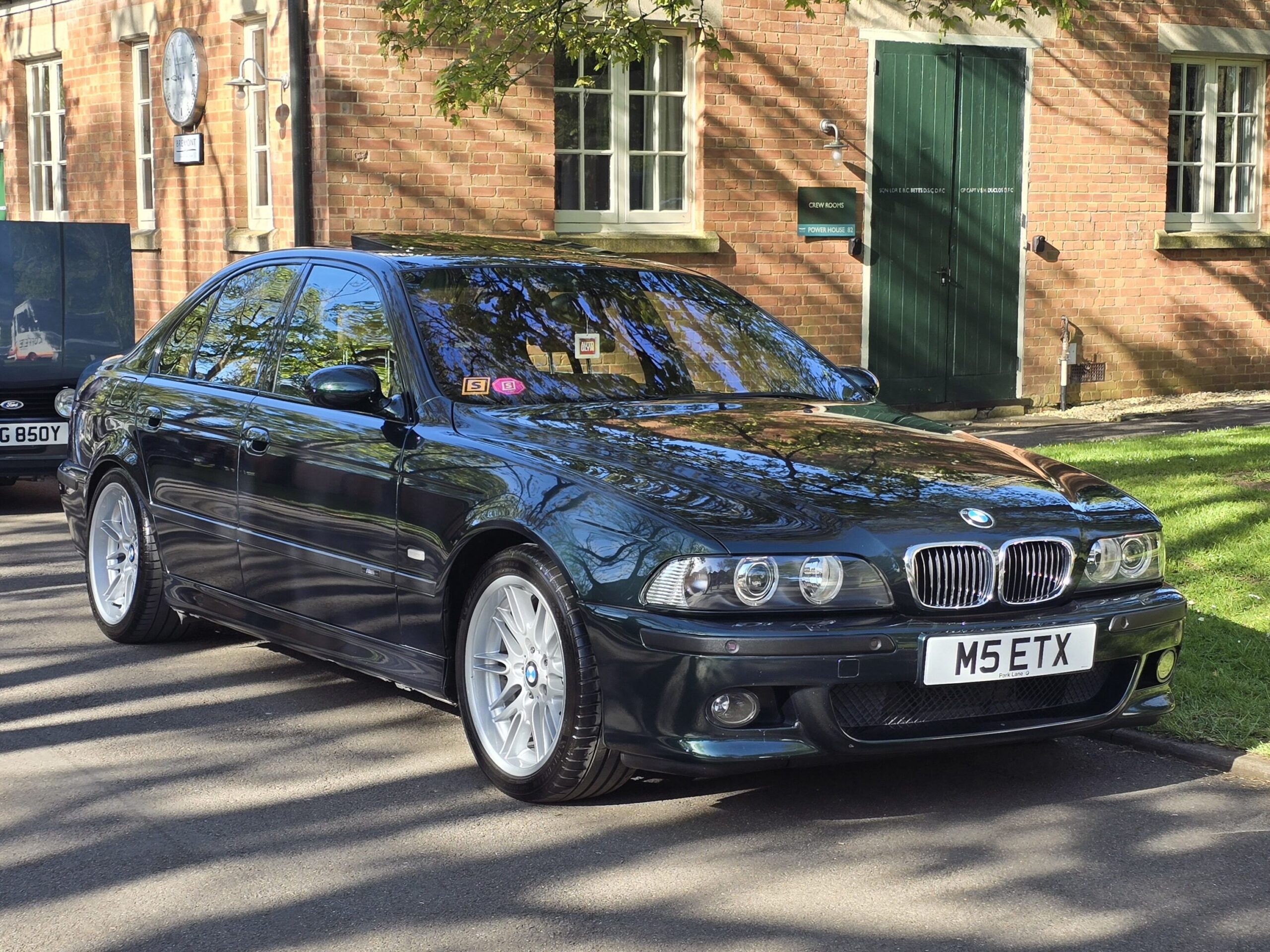
Daily Driving, Rear Seats, Comfort
Here the roles reverse completely. The E39 M5 is a full-size saloon with four doors, usable rear seats, a large trunk, and a ride quality tuned for covering enormous distances in comfort. The cabin is trimmed in leather, the driving position is relaxed, and at a cruise the car is quiet, stable, and calm. It was designed for people who needed one car to do absolutely everything, and it still delivers on that brief today.
The E92 M3 is more usable than most sports coupes — it is, after all, based on a 3 Series — but it is still a two-door. Rear access requires folding seats, the ride is firmer, and the cabin is louder. As a solo daily driver it works well, with iDrive, Bluetooth, and ergonomics that still feel reasonably modern. As family transport, it asks for compromises the M5 never does.
One more practical note: the M5 is now a 23-27 year old car. Expect to retrofit Bluetooth, expect analog-era electronics, and expect the small age-related quirks that come with any quarter-century-old German luxury car. The newest E92s are a full decade younger, and it shows in daily use.
For anyone who needs one car to do everything, the E39 M5 wins this category outright.
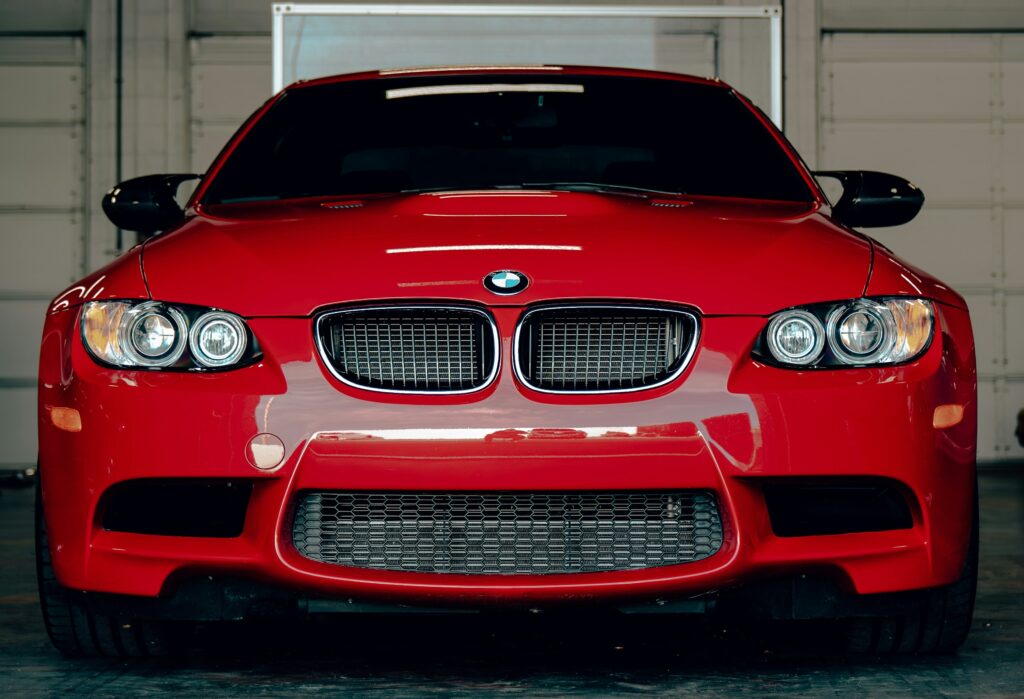
BMW E92 M3 vs BMW E39 M5: Design
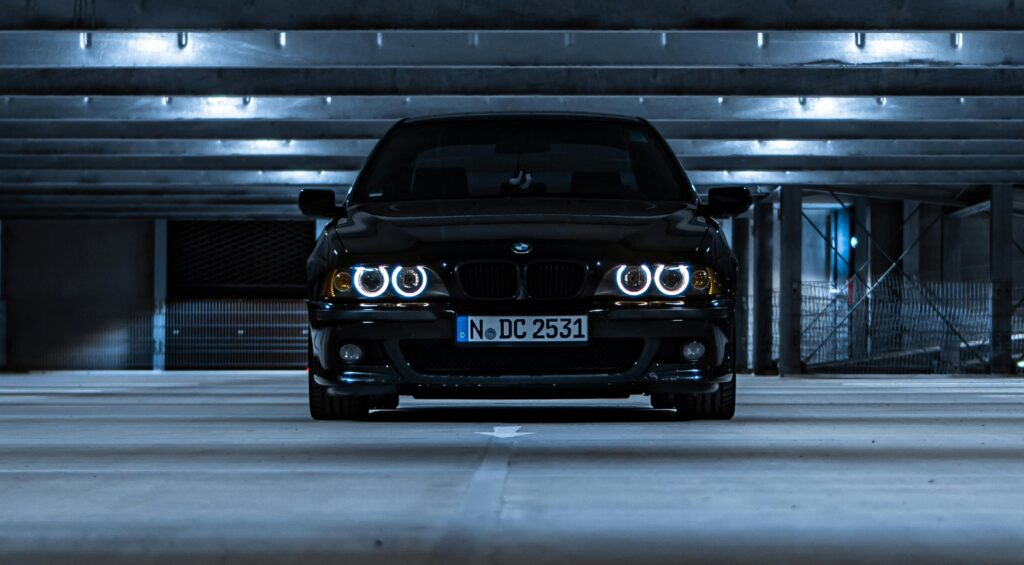
The E39 is regularly named among the best-looking sedans BMW has ever produced, and the M5 version changes almost nothing about it — slightly deeper bumpers, quad exhaust tips, 18-inch M Parallel wheels, and discreet badges. The 2000 facelift added the angel-eye headlight rings that went on to define BMW’s face for two decades. It is a design with no bad angles and no expiration date, and it is a huge part of why the car has such a devoted following.
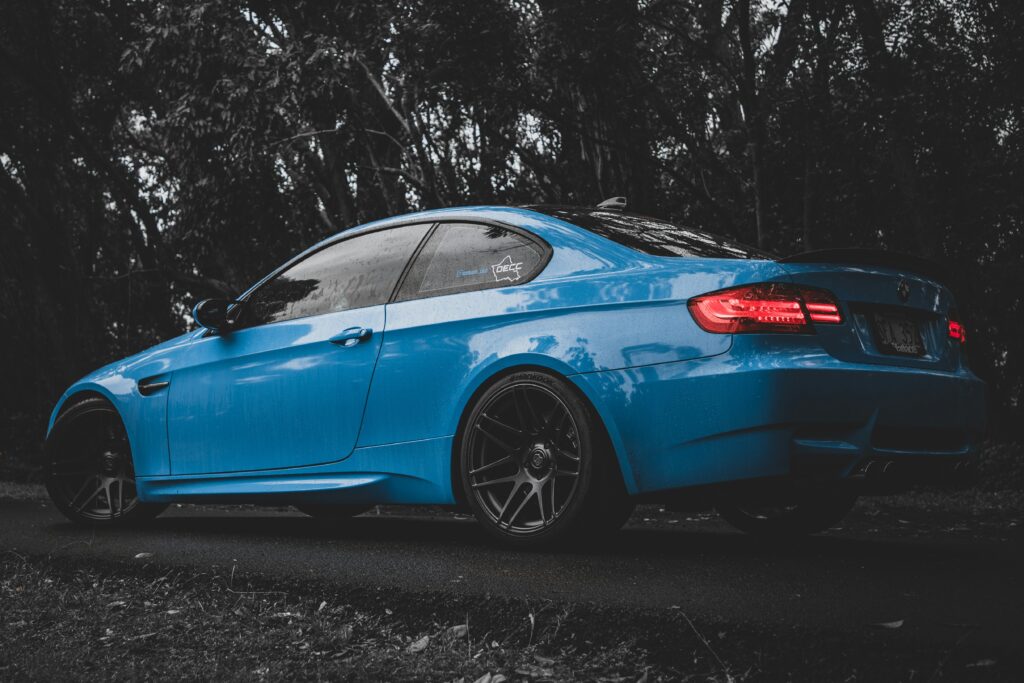
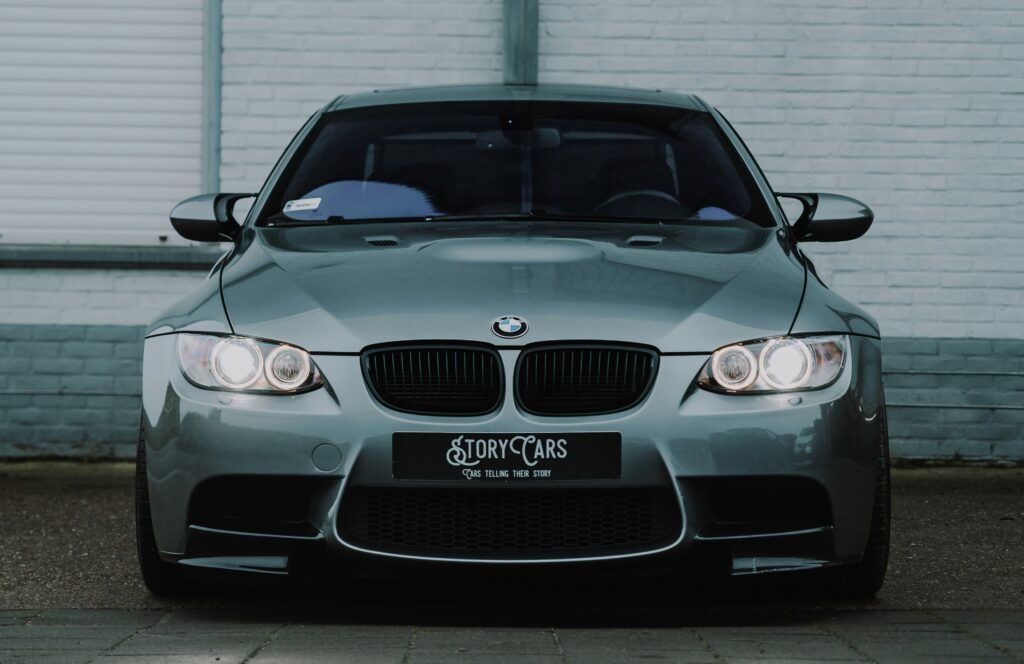
The E92 M3 is more visually assertive without being loud. The power dome hood with its vent, the flared arches, the fender gills with integrated turn signals, and the exposed carbon fiber roof on slicktop cars all signal intent — but from twenty meters, in a quiet color, it still reads as a handsome coupe rather than a boy racer. Compared to the F80 and G80 generations that followed, the E92 looks almost restrained.
Inside, the two cars represent different eras. The M5’s cabin is warmer and more luxurious — heavy leather, wood or aluminum trim, and the classic orange-lit E39 dashboard that many enthusiasts consider peak BMW interior design. The M3’s cabin is more functional and more modern, with better technology integration but less sense of occasion.
Aesthetically, this one is genuinely too close to call — the E39 has the timeless elegance, the E92 has the muscular purpose. Both will age better than almost anything BMW has designed since.
BMW E92 M3 vs BMW E39 M5: Reliability and Maintenance
Neither car is cheap to run, but the failure points are completely different — and completely documented.
On the E92 M3, the S65’s rod bearings dominate every conversation. Tight factory clearances combined with high engine speeds make preventative replacement the accepted norm, typically at $2,500–$5,000 depending on the shop. Throttle actuators are the second known weakness — worn plastic gears put the car into limp mode, with replacement running roughly $1,200–$2,000. Fuel injectors are a less frequent but potentially severe third item. Beyond the engine, the E9x-generation air conditioning evaporator is a known failure that requires full dashboard removal to replace — a labor-heavy job worth checking for in any car’s service history. A car with bearings, actuators, and injectors already documented is a fundamentally different purchase than one without.
On the E39 M5, the S62’s headline items are its twin VANOS units, timing chain components, and the cooling system — BMW’s plastic coolant parts from this era fail on age, not mileage. Beyond that, the M5’s biggest cost driver is simply time. These are old cars now, and ownership means a steady stream of age-related jobs: window regulators, gaskets, seals, suspension refreshes, and everything else a two-decade-old German V8 saloon accumulates. In the Shifted Perspective ownership video, the owner’s recommendation for anyone daily-driving either car was to keep at least $5,000 in reserve for repairs — and his E39 maintenance list over a single year of regular use backed that number up completely.
The E92 carries bigger individual line items; the E39 carries more of them. A fully sorted E92 with the known preventative work done is arguably the more predictable car going forward, simply because it is ten years newer. Neither belongs at a general mechanic — find a specialist before you find the car.
BMW E92 M3 vs BMW E39 M5: Investment Value
The market currently prices these two cars almost identically — which makes the differences underneath the averages worth understanding.
The BMW E92 M3 manual coupe currently averages $34,253 at auction according to Classic.com data, with the highest recorded standard-market sale at $84,253 for a 2013 Frozen Edition six-speed. The real story is in the special variants: the ZCP Competition Package manual averages $54,100, with the highest recorded sale reaching $205,392 for a 2011 example in April 2026. Hagerty data covering all M3 generations from 1986 to 2013 shows the cohort appreciating 21% over five years, and with production having ended in 2013, the E92 is entering the same age window in which the E46 M3 began its climb.
The BMW E39 M5 averages $37,621 according to Classic.com data, with a current market benchmark of $35,973. The ceiling, however, is dramatically higher: the record sale stands at $397,500 for a 2003 example sold in April 2025. That number tells you exactly how this market works — the E39 M5 is sharply bifurcated, with tired six-figure-mileage cars trading in the twenties while exceptional low-mileage examples sell for multiples of the average. Rarity is on its side, with 20,482 total cars against more than 40,000 E92 coupes alone, and every single one of them a manual.
Which is the better buy? The E92 has the clearer near-term momentum — its appreciation clock effectively started later, its special editions are already setting records, and it benefits directly from the collector logic that lifted the E46. The E39 M5 is the rarer, more established blue chip — its cult status is permanent, but much of the easy appreciation on average-condition cars has already happened, leaving condition and mileage as the deciding factors.
For the full data on each car, see our complete BMW E92 M3 Investment Guide and BMW E39 M5 Investment Guide.
BMW E92 M3 vs BMW E39 M5: Which One Should You Buy?
Buy the BMW E92 M3 if:
- The 8,400 rpm redline is the point. No other M3 has a V8, and no future one ever will. The S65 at full throttle is an experience turbocharging killed forever.
- You want the sharper driving tool. Lighter, tighter, better steering, better body control — on a demanding road, the M3 is simply the more capable and more communicative car.
- You are buying with appreciation in mind. The E92’s collector curve is earlier and moving, ZCP manuals are already commanding serious premiums, and the E46’s trajectory shows exactly where this goes.
- You mostly drive alone. Two doors and occasional-use rear seats are no penalty if the back row stays empty.
Buy the BMW E39 M5 if:
- You want effortless performance. With 369 lb-ft available from just above idle, the M5 never needs to be worked. It is devastating pace delivered with zero drama.
- You need four doors without compromise. Real rear seats, a real trunk, real long-distance comfort — and still one of the fastest things on the road when provoked.
- Rarity and cult status matter to you. With 20,482 built, a manual in every single one, and a community as tight-knit as any in the BMW world, the E39 M5’s icon status is settled.
- You want the more classic ownership experience. The E39 is a true analog modern classic — older, rarer, and further into its “special occasion” era than the E92.
BMW E92 M3 vs BMW E39 M5: The Verdict
Strip away the badges and this comparison comes down to a single question: do you want the V8 as a scalpel or the V8 as a hammer?
The E92 M3 is the scalpel. It demands revs, rewards commitment, and delivers a driving experience that peaks higher than almost anything BMW has built before or since. It is the better sports car, the better back-road weapon, and — right now — the car with the stronger investment momentum.
The E39 M5 is the hammer. It delivers its performance instantly, carries four people in genuine comfort, and wraps everything in one of the most timeless designs BMW has ever produced. It is the better all-rounder, the rarer car, and the one with the deeper cult following.
Both represent something BMW M will never build again. Choosing between them is less about which car is better and more about which kind of driver you are.
Buy the E92 M3 if you want the ultimate high-revving driver’s car. Buy the E39 M5 if you want the ultimate do-everything super saloon.
Classic Car Gang covers the modern classics market with no editorial filters. If you found this useful, check out our other articles.

Marko Mikulic is a classic and modern classic car writer with over a decade of hands-on enthusiasm. He has published more than 10,000 automotive articles with bylines at Jalopnik, SlashGear, The Driver Advisor, and CarArac. He owns a Mercedes R129 SL — having previously owned an R107 and a BMW E30 M3. He founded Classic Car Gang to cover the cars worth buying, owning, and investing in, without editorial filters.