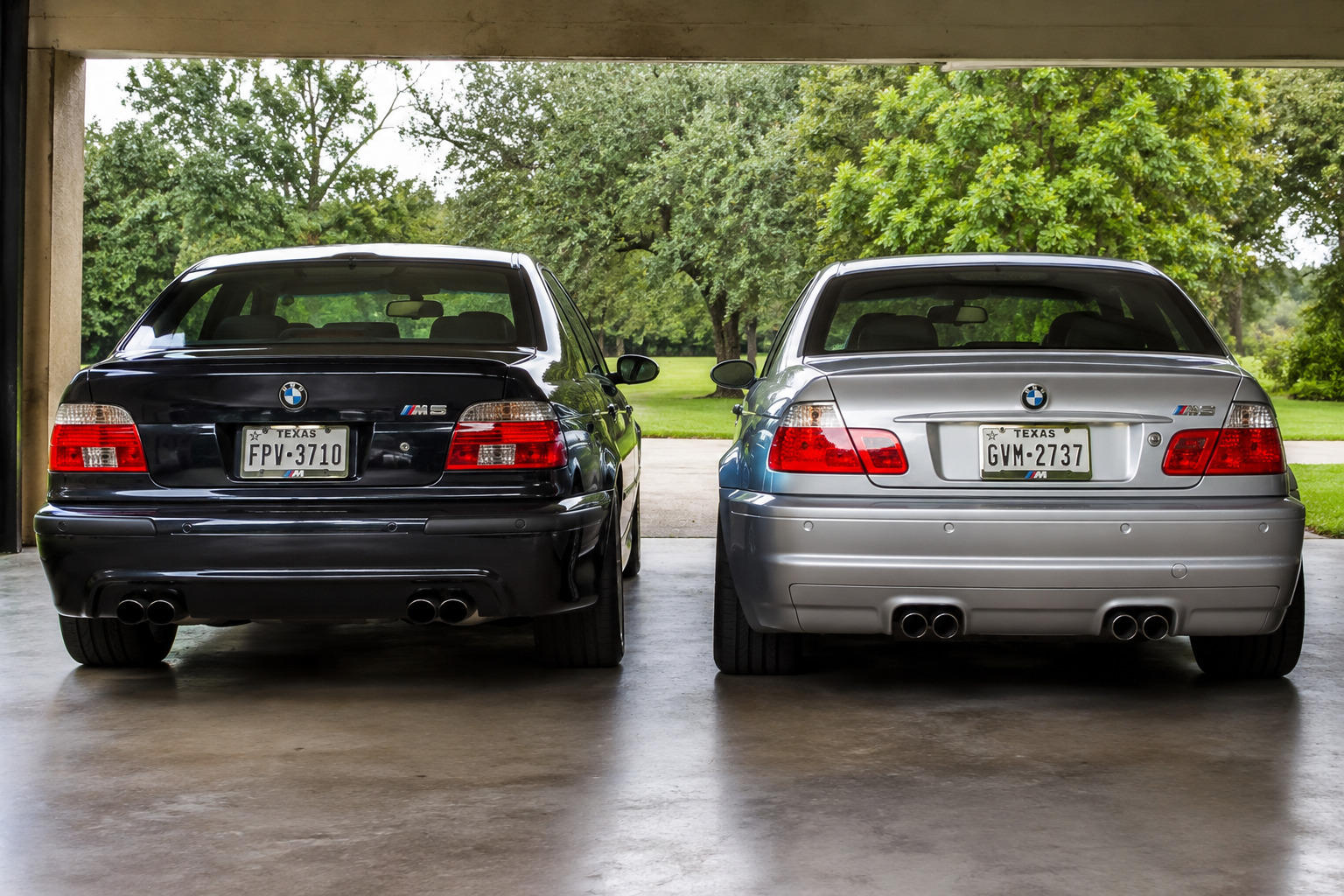

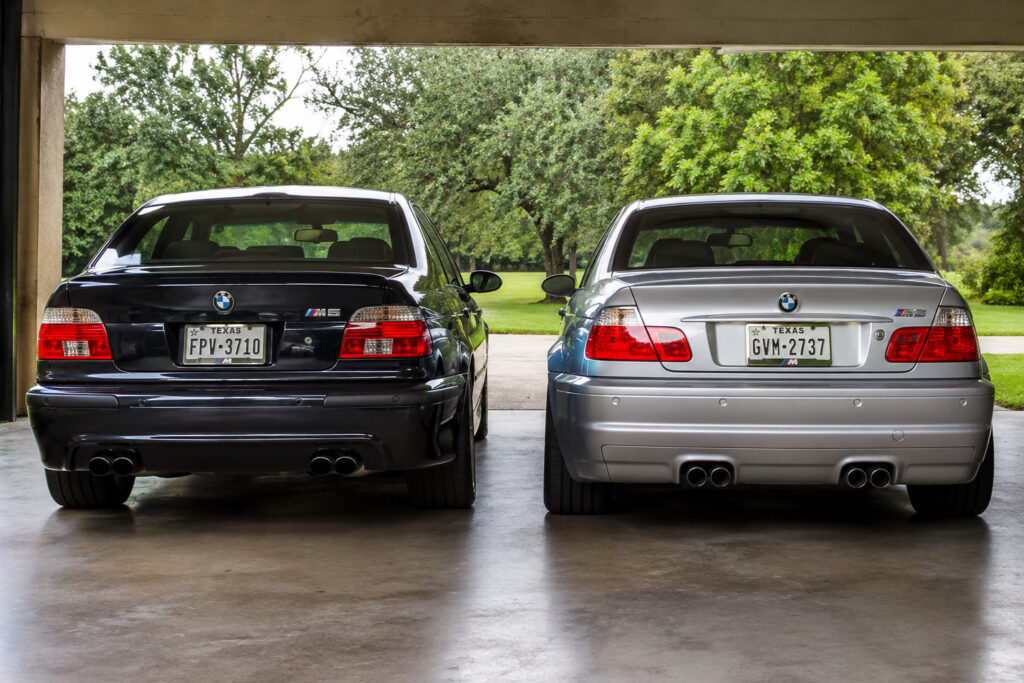
Ask BMW enthusiasts to name the most iconic M cars ever built, and two names inevitably pop up: the BMW E46 M3 and the BMW E39 M5. They represent a special moment in BMW M history before technology and turbocharging began filtering the experience. What makes these two cars so enduring is not just speed, but how completely they capture the philosophy that made BMW M.
The E46 M3 distilled the sports car into something small, sharp, and endlessly engaging. The E39 M5 took the idea of an executive saloon and infused it with power and genuine driver involvement. They were developed alongside one another by the same division, under the same engineering ethos, and today they occupy a similar place in enthusiast culture.
Both have become modern classics. Both offer an experience BMW no longer really builds. Still, despite their shared DNA, they appeal to very different kinds of drivers. So, BMW E46 M3 vs BMW E39 M5: which one should you buy?
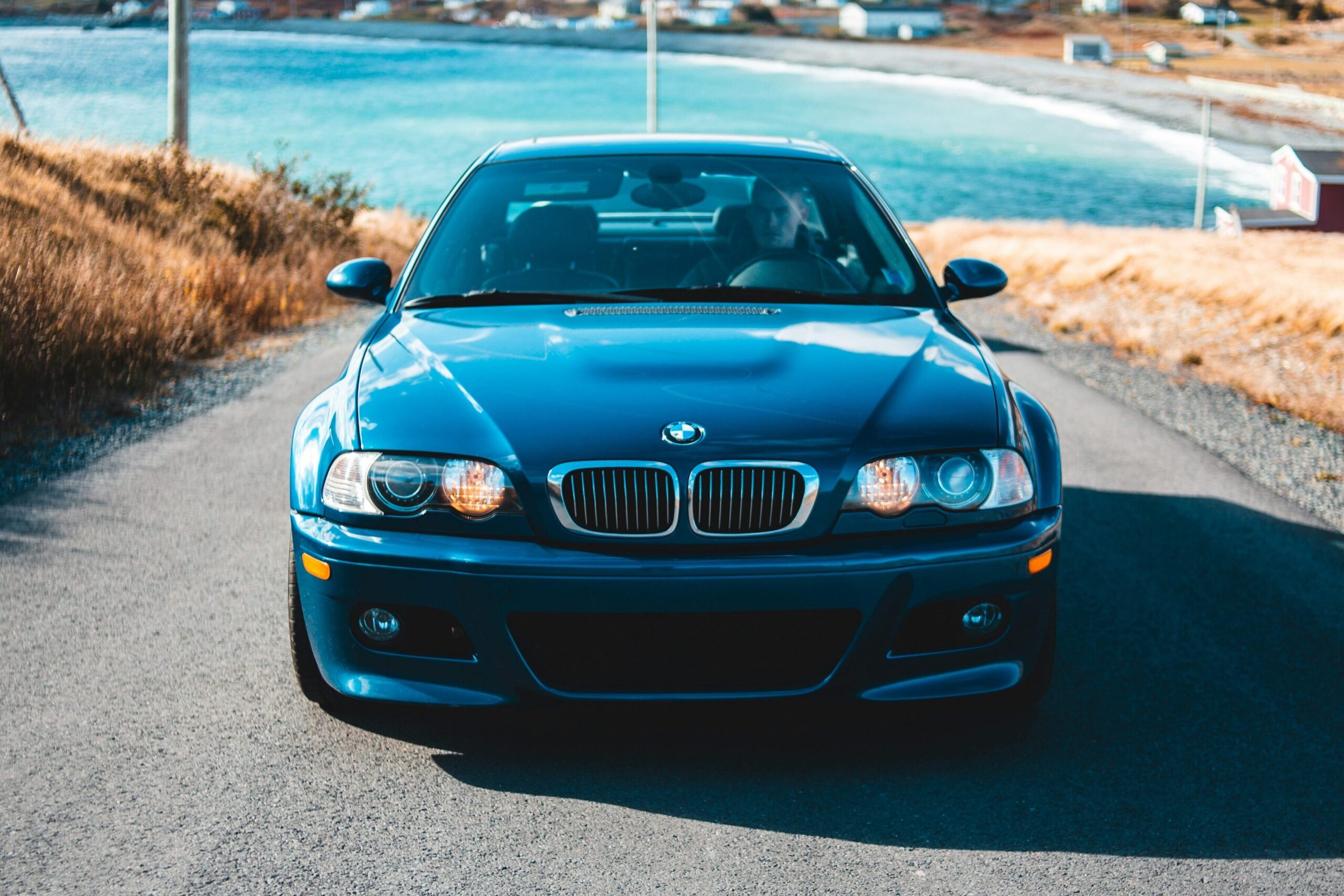
Table of Contents
BMW E46 M3 vs BMW E39 M5: Quick Specs Comparison
All figures for manual transmission cars, US market unless noted.
| BMW E46 M3 | BMW E39 M5 | |
|---|---|---|
| Years | 2001–2006 | 1999–2003 |
| Engine | 3.2L NA inline-six (S54) | 4.9L NA V8 (S62) |
| Power | 333 hp @ 7,900 rpm (US) | 394 hp @ 6,600 rpm |
| Torque | 262 lb-ft @ 4,900 rpm | 369 lb-ft @ 3,800 rpm |
| 0–60 mph | ~4.7 sec | ~4.7 sec |
| Top Speed | 155 mph (limited) | 155 mph (limited) |
| Weight (kerb) | ~3,415–3,500 lb | ~4,024 lb |
| Drive | RWD, front-engine | RWD, front-engine |
| Transmission | 6-speed manual / SMG II | 6-speed manual only |
| Doors | 2 (coupe/convertible) | 4 (saloon only) |
| Production | ~85,000 total | ~20,482 total |
| US Price (new) | ~$45,000–$48,000 | ~$65,000–$67,000 |
The Cars: What You’re Actually Buying
BMW E46 M3
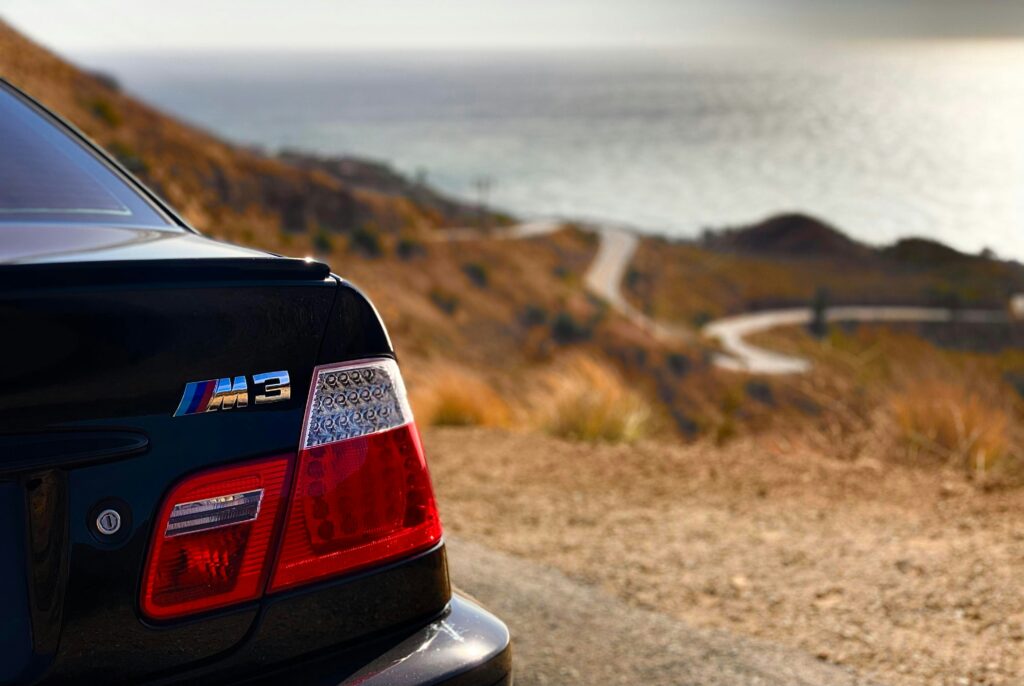
The E46 M3 represents the point where BMW M truly peaked — not just within the M3 lineage, but as the purest expression of the founding philosophy of the brand. Introduced in 2001 and based on the E46 3 Series coupe, it combined a compact footprint, hydraulic steering, near-perfect 50:50 weight distribution, and one of BMW M’s greatest engines: the naturally aspirated 3.2-liter S54 inline-six.
In U.S. specification, the S54 produces 333 horsepower, while European cars received 343 hp. It revs to 8,000 rpm and delivers its performance like nothing you can buy today. Buyers could choose between a six-speed manual and the SMG II automated manual. Understandably, the manual remains the transmission that best suits the character of the car, and the one the market rewards accordingly.
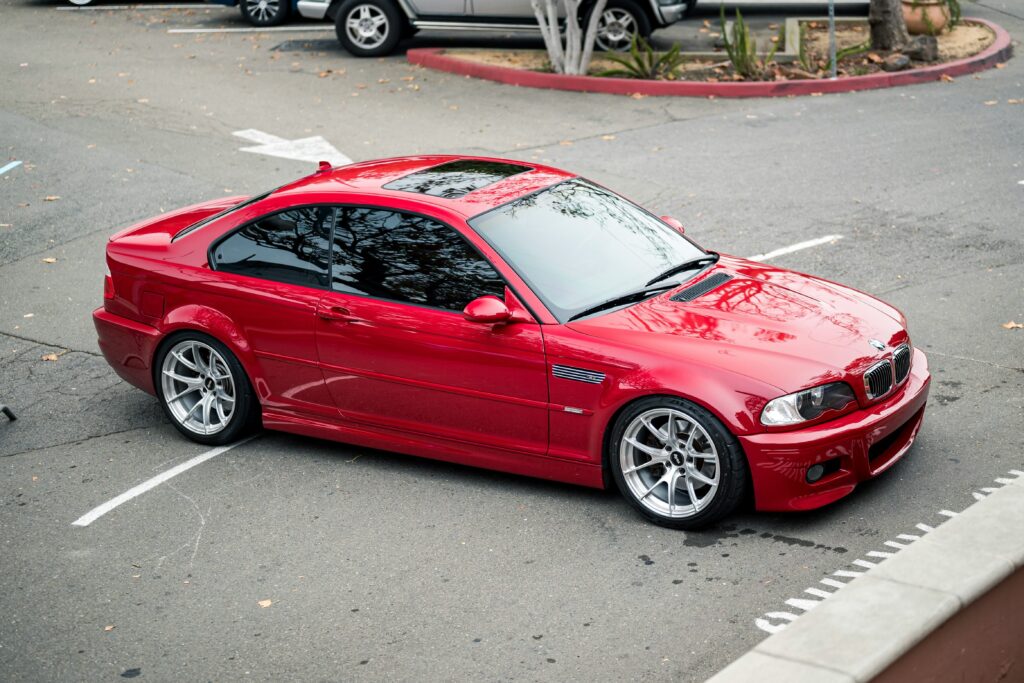
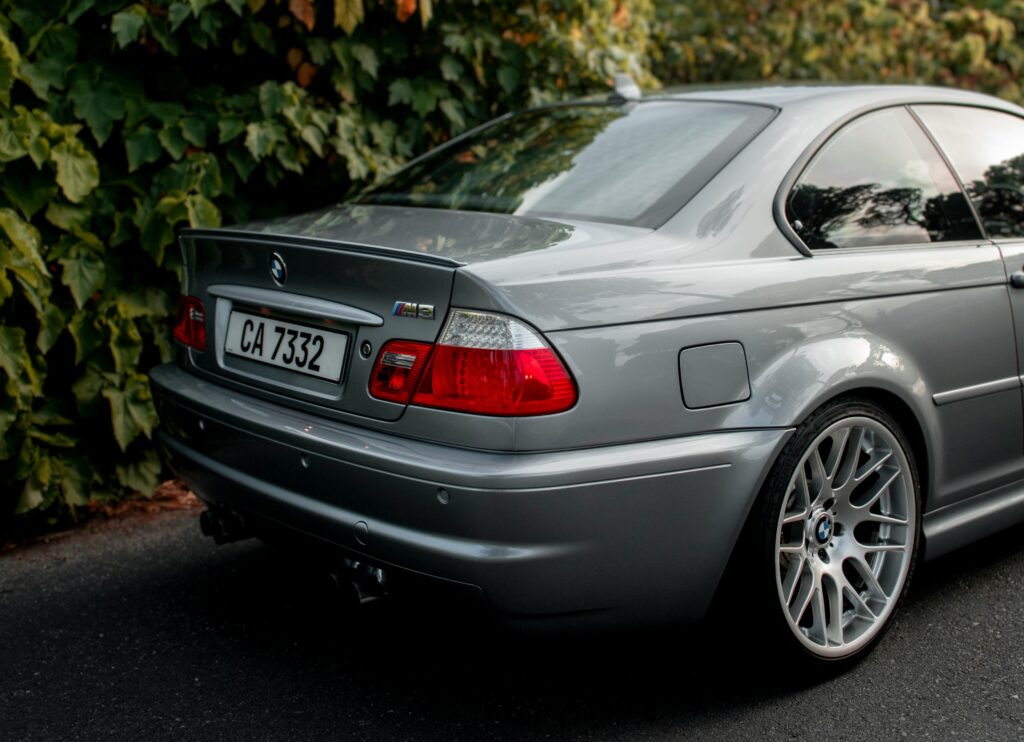
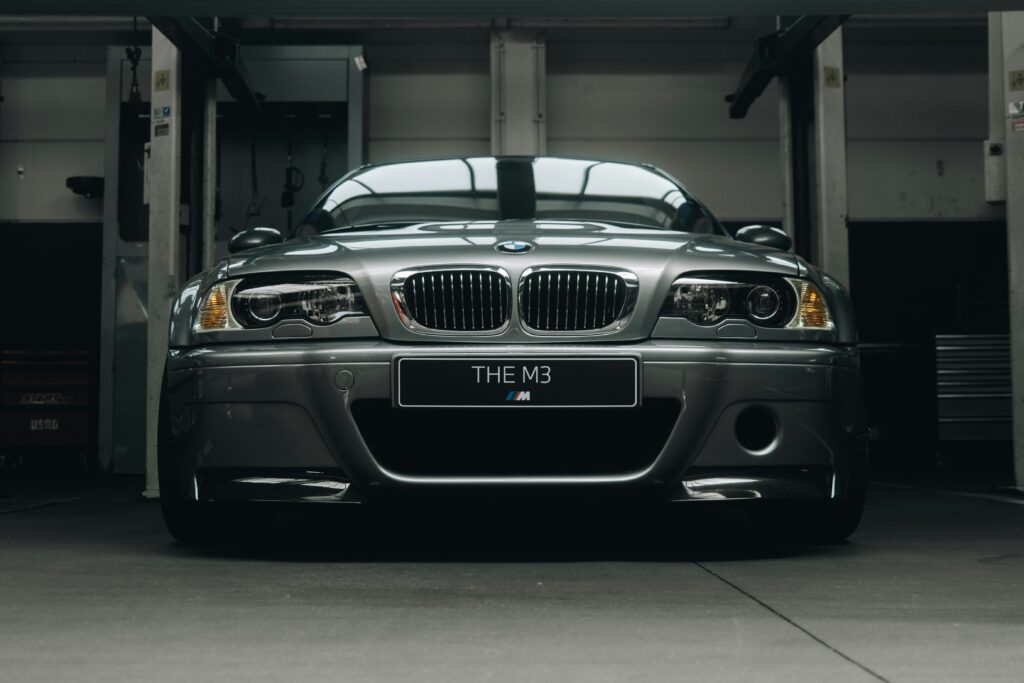
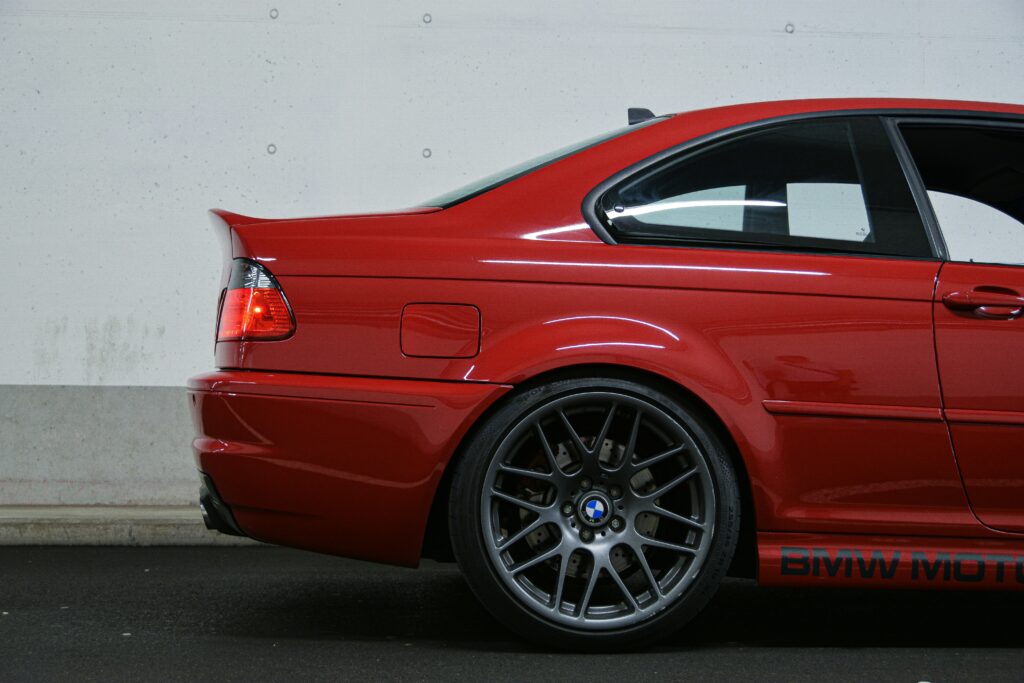
Visually, the E46 M3 is restrained by modern standards. Still, the widened arches, quad exhausts, side gills, and subtle aerodynamic changes clearly distinguish it from a standard 3 Series to those who know what they are looking at. When it launched, the press response was immediate and unambiguous.
BMW M‘s own description of the car’s reception was that it “took the hearts of real sports car fans by storm.” It was also the last M3 with a naturally aspirated inline-six and more than two decades later, BMW has not repeated it, and likely never will. The E46 is simple, elegant, pure, and exactly what made BMW M what it is today.
BMW E39 M5
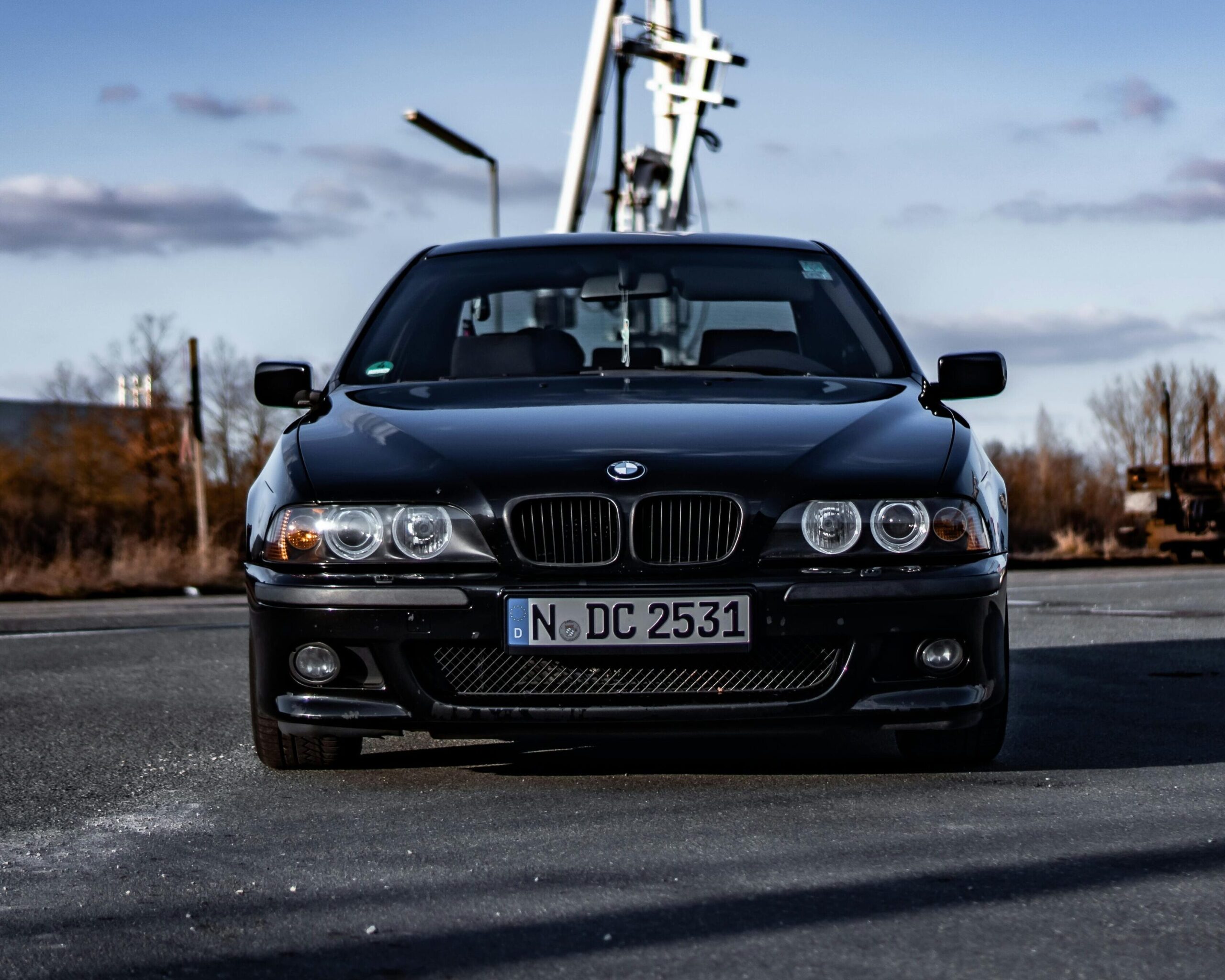
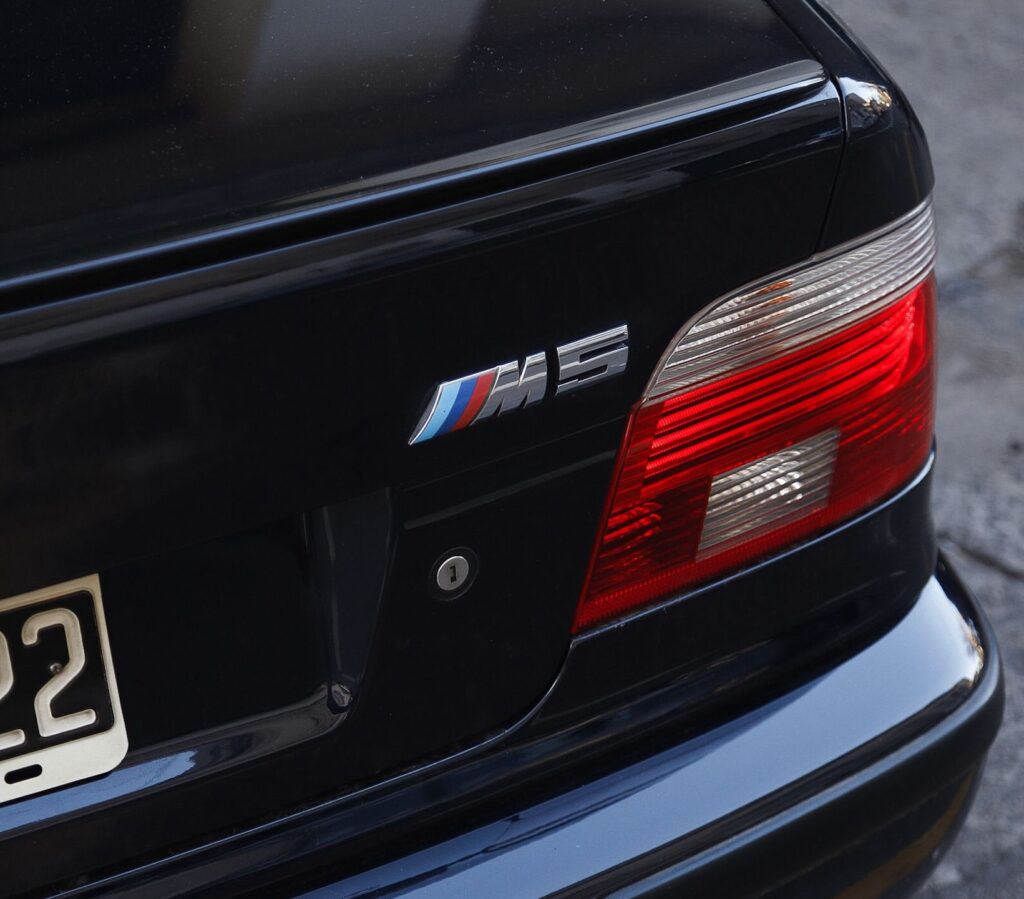
The E39 M5 is what happens when BMW M division decides that a performance saloon needs more than just a tuned suspension, a brash color, and a badge. The E39 M5 debuted at the 1998 Geneva Motor Show with a 4.9-liter naturally aspirated V8 — the first V8 ever fitted to an M5 — producing 394 hp and 369 lb-ft of torque.
When it debuted, the press declared it the benchmark against which every future performance sedan would be measured. The E39 M5 came exclusively with a six-speed manual gearbox. No automatic, no SMG — just three pedals and a short-throw stick. In 2000, Car and Driver called it “the most desirable sedan in the world.”
The Mercedes E55 AMG was a mean machine, but it felt more like a European muscle car than it did a comparable performance car. The Audi RS6 had comparable grunt but significantly more weight, and it never connected with drivers in the same way the M5 did. The M5 had no real peer when it came out.
When you look at the F90 M5, it still kind of looks and feels like the E39. That is because the E39 M5 set the standard for what an M5 was supposed to look and feel like. It is a BMW M time capsule on wheels that harks back to an era when a performance sedan did not need aggressive styling to make a statement. Instead, it spoke through its exhaust note — something the modern M5 no longer does.
BMW E46 M3 vs BMW E39 M5: The Driving Experience
Engine, Performance, Sound
On paper, the performance gap between these two cars is almost non-existent. Both will do 0–60 mph in approximately 4.5 to 5 seconds, but speed and acceleration were never really the thing that captured the most about these two — it was the engine.
The E39 M5’s S62 V8 produces 369 lb-ft of torque at just 3,800 rpm. You put your foot down at any speed, in any gear, and the car moves. The E39 does not need to be revved as much as the E46. The torque is simply there, which makes the M5 feel effortless in a way the M3 never does. At freeway speeds, in third or fourth gear, the M5 pulls harder than the M3 in that same scenario.
The E46 M3’s S54 works differently. Below 4,500 rpm, the car is smooth, composed, and fairly docile. Once you go over 6,000 rpm, everything changes. The S54’s top-end character is what turned it into a legend. When you are on it 100%, the E46 inline-six feels like the most BMW M feeling engine ever. Modern M3s and M4s still rely on the inline-six for performance, and that is partly because the S54 made it oh so good.
Sound-wise, the S62 V8 makes a strong case for itself. The M5’s exhaust note is deeper, fuller, and more visceral. No matter if you are driving slow or fast, it sounds epic. The S54’s inline-six is more raspy and mechanical. Some people love how a BMW inline-six sounds, some don’t. However, when it comes to sound, the E39 M5 takes it by a mile.
Overall, in the engine department, picking between these two is difficult and comes down largely to what you prefer more. The E39 has a V8, and if you are a V8 type of person, it is obvious. On the other hand, the M3’s inline-six is the mechanical manifestation of BMW performance DNA, and if you happen to like how inline-sixes sound, there is little else that can beat it.
Handling, Dynamics, Driving Feel
For someone who loves the traditional sports car handling experience, the E46 M3 is the better car. That is not really subjective; it is simply the result of a shorter wheelbase, a smaller footprint, and roughly 600 lb less weight. The E39 M5 is still deeply impressive, but at the end of the day, it remains a large executive saloon trying to bend the laws of physics in a way the lighter M3 never has to.
The M3 feels alive beneath you. It changes direction eagerly, rotates beautifully, and communicates constantly through the steering wheel, chassis, and even the seat. Everything feels tight, mechanical, and immediate. It rewards precision and confidence, and the harder you push it, the more the car seems to come alive. If your idea of a perfect drive is carrying momentum through a canyon road while chasing the upper end of the tachometer, the E46 M3 is very difficult to beat.
That said, the E39 M5 deserves enormous credit for how well it hides its size. BMW M worked genuine magic with the chassis. The car feels balanced, planted, and surprisingly agile for something with four doors, a V8, and executive-car proportions. But when you really begin to lean on it, the weight eventually reveals itself. You feel it in the way the nose settles into corners, in the slower transition responses, and in the way the car gathers itself after moments of oversteer.
Ironically, that is also part of the M5’s charm. If you enjoy a car that likes to move around underneath you — one that feels a little more muscular and a little less clinical — the E39 almost feels more at home doing it. The E46 M3 is precise and razor sharp, built for rhythm and direction changes. The E39 M5 feels heavier, more aggressive, and more theatrical when you really get into it. One dances. The other muscles its way through the experience. They share the same BMW M DNA, but they express it in completely different ways.
Daily Driving, Rear Seats, Comfort
The M5 is a full four-door saloon with proper rear seats, adequate legroom, and a genuinely large trunk. It rides with the kind of compliance that makes long motorway stints genuinely comfortable rather than just tolerable. The interior feels richer, more substantial, and more refined than the M3’s Overall, the E39 is more in line with a luxury saloon than a sports car, while still being unmistakably purposeful.
The E46 M3 has rear seats and they can be used by adults. Still, no one is ever going to feel more comfortable in the back of the E46. Additionally, because it rides firmer than the M5 and has less sound insulation, long-distance driving in the M3 requires more commitment from the driver. If that is the kind of thing you like because it feels more like a sense of occasion, the M3 will do that for you even at cruising speeds.
The E39 M5 was built to be used by executives wanting the most comfortable mid-size luxury sedan from the 2000s. It is the car you take on a 400-mile run on a Tuesday and feel at home about it. The M3 is the car you take on a 60-mile drive because the road is good. Neither is wrong, but they are different propositions. This is where the E39 M5 wins cleanly, without qualification.
BMW E46 M3 vs BMW E39 M5: Design
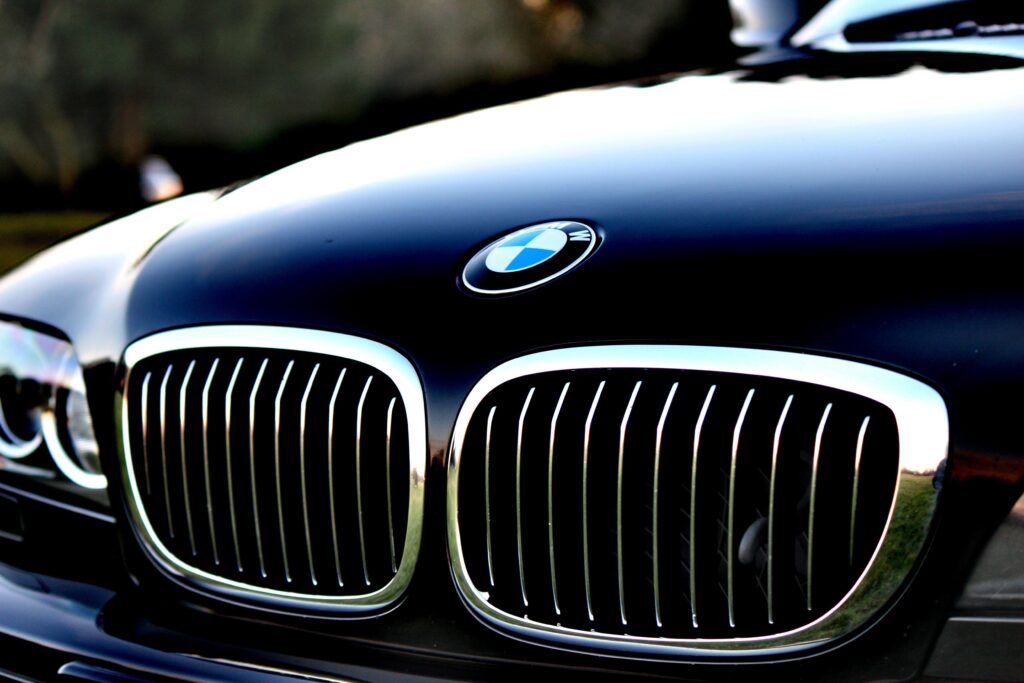
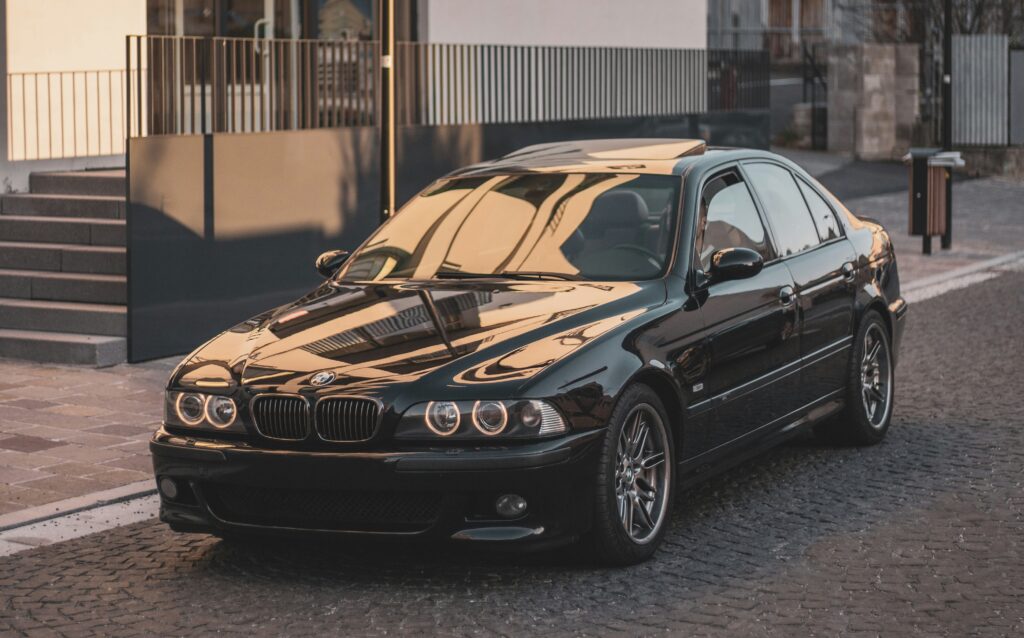
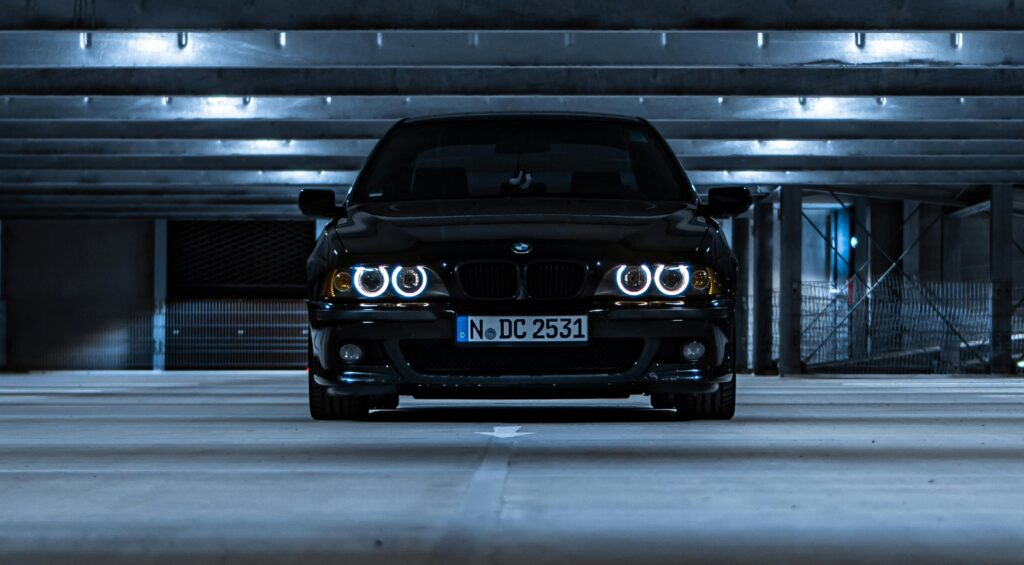
On the outside, both cars wear their performance subtly — a characteristic of BMW M design from this era that many enthusiasts still miss dearly today. What is especially interesting is how much these two cars helped define the BMW design language that has gradually eroded with each new generation. The grilles were small and proportional, the headlights carried the iconic angel-eye rings, the interiors glowed with orange backlighting, and the overall silhouettes were smooth and understated.
Still, between the two, the E46 communicates its performance credentials far more clearly. The wider front bumper, power dome hood, flared arches, and quad exhausts all make their presence known. Yet despite those additions, the car never feels excessive. In a neutral color and from a distance, it can still pass as a regular 3 Series. That restraint has aged exceptionally well. Even in 2025, the E46 M3 looks clean, proportionate, and remarkably timeless compared to many of its contemporaries.
The E39 M5 is more understated still. Apart from the quad exhausts, larger wheels, and subtle M badging, it is almost indistinguishable from a standard E39 5 Series. That is part of what makes it so appealing. The E39 is widely regarded as one of the best-looking BMW designs ever produced — classically proportioned, balanced, and elegant without trying too hard.
The M5 simply adds presence to that formula without turning it into something theatrical. Inside, the M5 feels like the richer and more mature environment. The optional sport leather or ostrich leather seats, the wood or aluminum trim, and the additional cabin space give it a greater sense of occasion than the M3.
The E46 M3’s interior feels more purposeful and driver-focused, but next to the M5, it shows its age slightly more, particularly in the plastics and overall refinement. Ultimately, the E46 strikes a near-perfect balance between looking like a performance car while still remaining understated, whereas the E39 leans more toward elegance, subtlety, and quiet confidence. Once again, it comes down to what you value more.
There is something undeniably special about a car like the E39 M5 — a sedan understated enough to disappear into traffic, yet capable of flying past a Ferrari at the same time. In an era where modern performance cars often feel increasingly loud, aggressive, and over-designed, both the E39 M5 and E46 M3 represent a kind of restrained confidence that has almost completely disappeared.
BMW E46 M3 vs BMW E39 M5: Reliability and Maintenance
Both cars are genuinely rewarding to own, but both carry specific failure points that need to be understood before purchase.
On the E46 M3, the two non-negotiables are the rod bearings and the rear subframe. The S54 used undersized rod bearings from the factory — progressive wear leads to catastrophic failure if ignored. Budget $1,200–$3,500 for the service if it has not been documented, and treat any car without bearing history accordingly. The rear subframe cracks at its four mounting points under load; a full reinforcement job from a competent specialist runs $1,500–$3,500. Add a VANOS rebuild on higher-mileage cars — typically $600–$2,500. All of it is known, all of it is fixable, and a car with everything documented is worth materially more than one without.
On the E39 M5, the primary concerns are VANOS, timing chain problems, and potential cooling woes — the S62 has two VANOS units, compared to the M3’s one, doubling the potential points of failure. The cooling system is another area to inspect carefully; BMW’s plastic coolant components from this era are age-sensitive regardless of mileage. On the financial side, the V8 costs more to service by definition — more cylinders, more oil, more parts. One owner on the r/BMW forum noted: “take any engine maintenance cost you have incurred on the M3 and double it.”
SMG aside — and you should avoid SMG — the M3 is arguably the cheaper car to maintain on a per-service basis. The M5 hits harder on each service visit, but both cars reward owner-attentiveness. Neither should go anywhere near a general mechanic.
BMW E46 M3 vs BMW E39 M5: Investment Value
This is where things get interesting — and where the two cars diverge in ways that matter to anyone buying with an eye on the future.
The E46 M3 is one of the few modern classics with documented, current, data-backed appreciation. According to the Hagerty Price Guide, the E46 M3 saw an average value increase of 30% heading into 2026, with pristine low-mileage examples experiencing lifts of over 30%, pushing #1 condition coupes to near $90,000 and #2 condition cars close to $60,000.
According to Classic.com auction data, the average sale price of a manual E46 M3 coupe currently sits at $37,841, with high-quality examples regularly trading at $50,000–$65,000 and above. Hagerty describes it plainly: “In a lot of ways, the E46 M3 is to M-cars what the 993 is to the 911.” That comparison is not accidental — it speaks to a car that the market is beginning to price as a definitive, irreplaceable generation.
The E39 M5 tells a different story. According to Classic.com data, the average sale price sits at $35,199 — with the highest recorded sale reaching $397,500 for a near-new 2003 example in April 2025. That outlier aside, the E39 M5 market is more bifurcated: tired high-mileage cars have softened in value, while exceptional low-mileage examples command a significant premium.
The E39’s production numbers work in its favor — roughly 20,482 units built globally, compared to approximately 85,000 E46 M3s. Rarity, in theory, supports value. But the M3 has something the M5 currently lacks: a strong, generationally-defined collector base actively moving prices upward. The E39 M5 is appreciating steadily but has not yet seen the same surge of collector-driven demand.
Both cars are at the beginning of their appreciation curves. But the E46 M3 is moving faster, has more documented momentum, and sits in a sweeter spot between broadly accessible and genuinely collectible. The E39 M5 is an excellent store of value — especially clean, low-mileage examples — but it is not leading the charge in the same way right now.
For a deeper look at either car as a standalone investment, see our full BMW E46 M3 Investment Guide and BMW E39 M5 Investment Guide.
BMW E46 M3 vs BMW E39 M5: Which One Should You Buy?
Buy the BMW E46 M3 if:
- You want the purer driver’s car. The S54, the lighter chassis, the hydraulic steering — the M3 is built specifically around the act of driving.
- You are buying with one eye on appreciation. The collector market for the E46 M3 is moving, documented, and accelerating. The right manual coupe in a desirable color with documented maintenance is not getting cheaper.
- You drive solo most of the time. The rear seats are nominal. If passengers are a regular part of the equation, that matters.
- You want to keep it original. The E46 M3’s value premium lives almost entirely in unmodified cars. Originality separates the $30,000 example from the $65,000 one.
Buy the BMW E39 M5 if:
- You prefer your performance effortless rather than earned. The torque is there at any revs, in any gear, in any situation. The M5 makes going fast feel easy.
- You want one car that does everything. Four doors, a proper trunk, long-distance comfort, real rear seats — and still faster than almost everything on the road when you want it to be.
- The V8 soundtrack matters to you. The S62 at full chat is genuinely special — deeper, more dramatic, and more accessible at lower revs than the S54’s top-end focus.
- You drive with passengers regularly. The M5 does not compromise your passenger’s experience the way the M3 does.
BMW E46 M3 vs BMW E39 M5: The Verdict
These two cars represent the same BMW M philosophy applied to two different briefs. The E46 M3 asks the driver to commit. It wants to rev the engine, to engage fully, to earn the experience you associate with a sports car. The E39 M5 gives you the experience on demand, without asking for as much in return. On pure driver engagement on the right road, the M3 wins.
It is the more rewarding car when you have space to use it, a better back road, and the willingness to drive it the way it wants to be driven. For everything else — daily life, passengers, long trips, effortless pace, and a driving experience that rewards you even at seven-tenths — the M5 makes the stronger case.
Buy the E46 M3 if you want the sports car. Buy the E39 M5 if you want the complete car.
Classic Car Gang covers the modern classics market with no editorial filters. If you found this useful, check out our other articles.
Get notified when we publish new articles. No spam.

Marko Mikulic is a classic and modern classic car writer with over a decade of hands-on enthusiasm. He has published more than 10,000 automotive articles with bylines at Jalopnik, SlashGear, The Driver Advisor, and CarArac. He owns a Mercedes R129 SL — having previously owned an R107 and a BMW E30 M3. He founded Classic Car Gang to cover the cars worth buying, owning, and investing in, without editorial filters.