
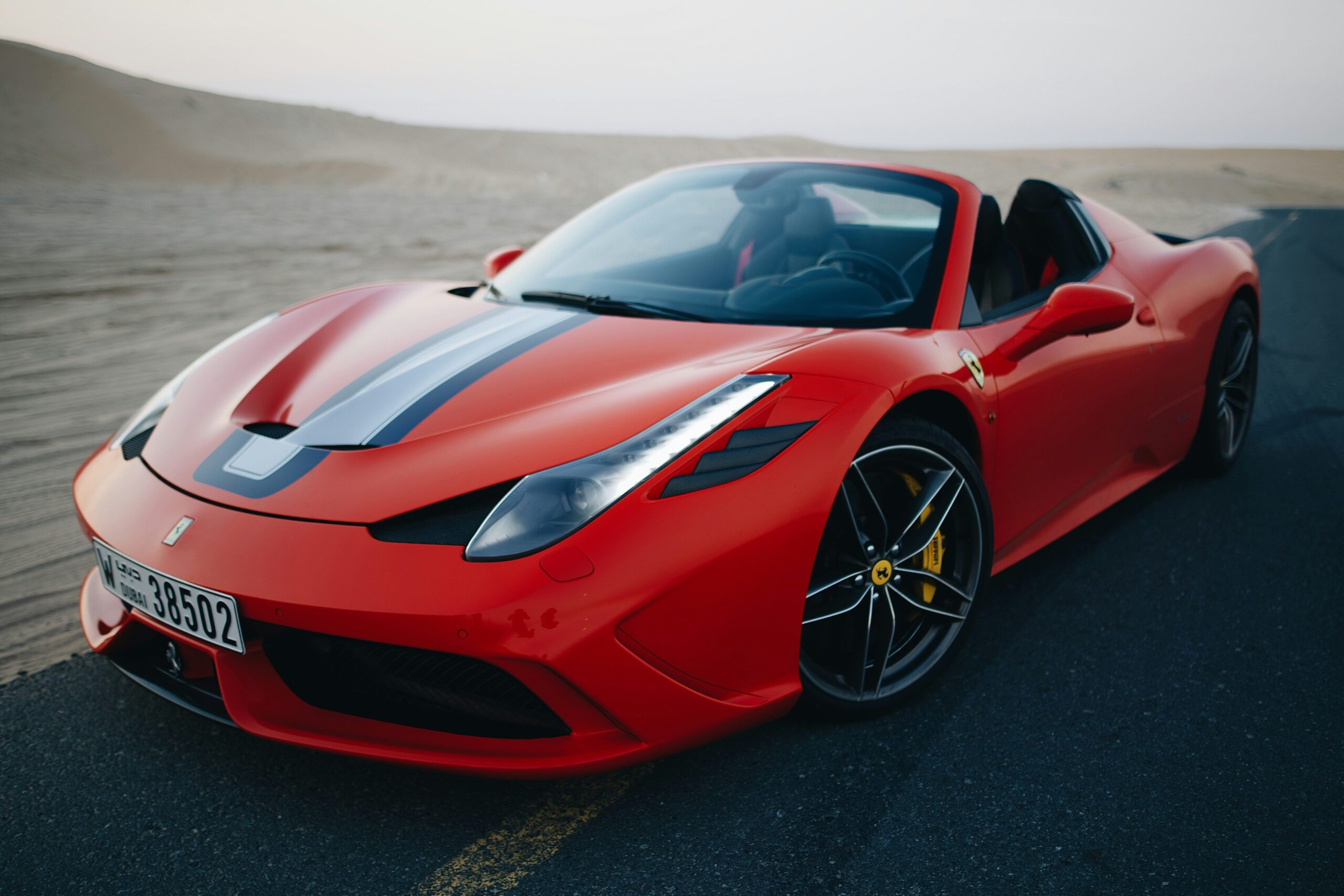
Doug DeMuro summed up the used Ferrari 458 investment market in one sentence on a recent “This Car Pod!” livestream: the 458 has “become kind of a darling in the used Ferrari community.” He was talking about a 1,400-mile 458 Spider his platform had just sold for $380,000 — a figure DeMuro pointed out puts a used 458 within range of what a low-spec, higher-mileage Ferrari SF90 costs today.
That single data point tells you most of what you need to know about where the Ferrari 458 investment case stands right now. This was Ferrari’s last mid-engined V8 without a turbo bolted to it. It was also the first one sold without a manual gearbox option of any kind — and the first Ferrari automatic that was actually good and fit the car’s character.
Both the Ferrari F355 Investment Guide and the Ferrari F430 Investment Guide on this site were built around cam belts and gated shifters. The 458 guide is built around something different: a car that never offered buyers a choice on transmission, and where the entire investment thesis now runs through model hierarchy, specification, and mileage instead.
This guide covers the full 458 lineup, what the U.S. market is actually paying right now, the problems worth knowing about before you buy, and where the real value sits across Italia, Spider, Speciale, and Speciale Aperta.
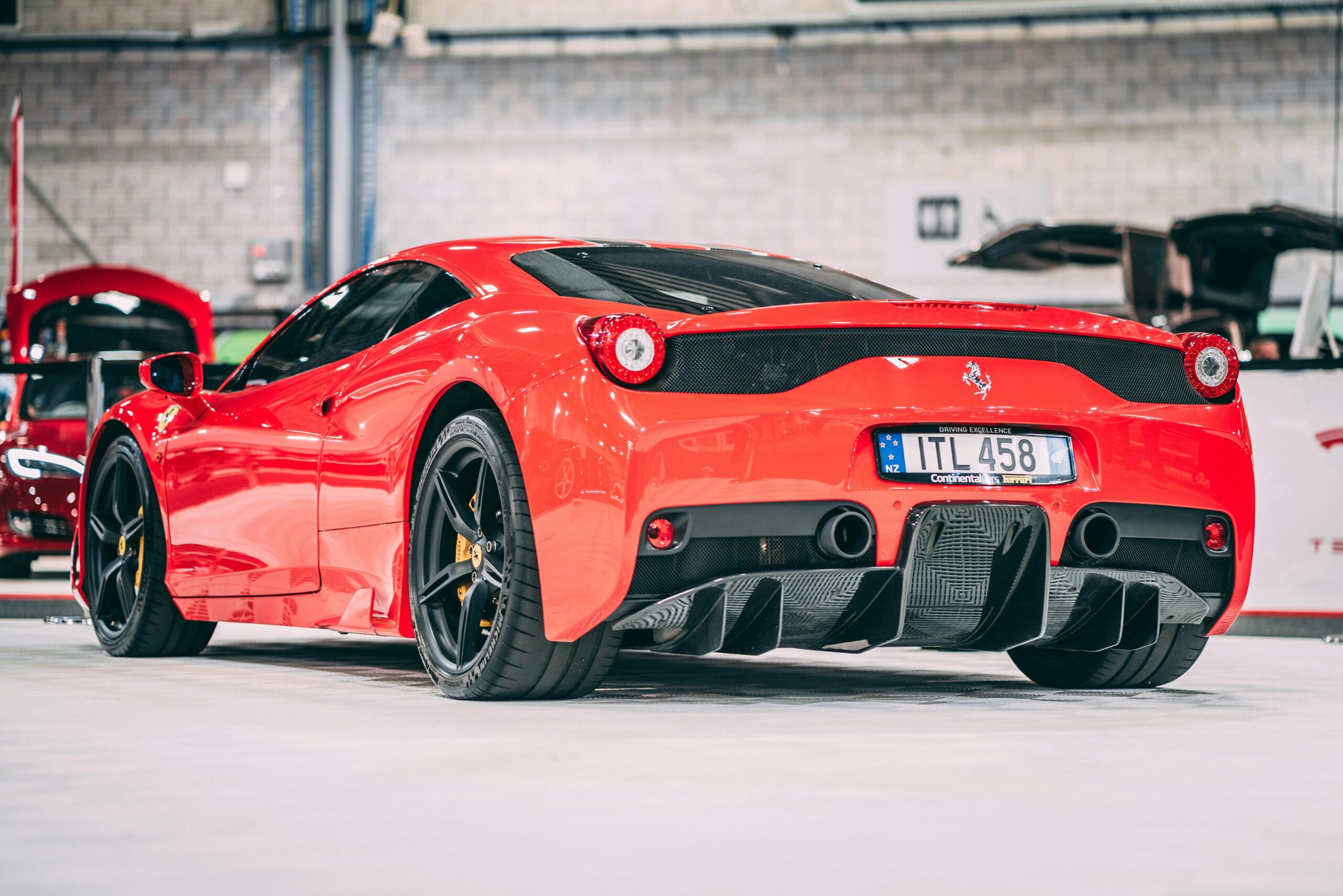
Table of Contents
Meet the Ferrari 458
Ferrari unveiled the 458 Italia at the Frankfurt Motor Show in September 2009, and it reached customers for the 2010 model year as the replacement for the F430. Where the F430 had been a thorough evolution of the 360’s aluminum spaceframe, the 458 was a clean-sheet car front to back, styled by Pininfarina and Ferrari’s own Styling Centre under Donato Coco.
The engine carried the F136 code shared conceptually with the F430’s V8, but almost nothing about it actually carried over. Ferrari grew displacement to 4.5 liters, added direct fuel injection for the first time in a mid-engined Ferrari road car, and set a 9,000rpm redline. Output landed at 562 horsepower (570 PS) at that 9,000rpm peak and 398 lb-ft of torque at 6,000rpm, with roughly 80 percent of that torque available from as low as 3,250rpm.
The bigger break from tradition was behind the engine. Every 458 left the factory with a seven-speed dual-clutch gearbox — the Getrag 7DCL750 — built with a shorter, more aggressively calibrated version of the unit Getrag had first developed for the Ferrari California. It was Getrag’s first Ferrari dual-clutch transmission, and it shifted in well under 50 milliseconds. Ferrari never offered a manual 458. The F430’s factory three-pedal option ended with that car. Every 458 built afterward, and every mid-engined Ferrari since, has been sold exclusively with a paddle-shift automated gearbox.
Performance numbers reflected the jump: 0-62mph in 3.4 seconds and a top speed of 202mph, on a curb weight of roughly 3,273 pounds (1,485kg) . Despite clean, wingless bodywork, the 458 generates as much as 800 pounds (360kg) of downforce at speed, helped by deformable winglets in the front air intakes that drop 20mm under aerodynamic load. An E-Diff electronic differential and F1-Trac stability system rounded out a chassis that Hagerty writer Ben Barry summed up simply: “few cars are as benign yet as powerful and playful as a 458.”
Ferrari built the 458 through the 2015 model year, when the turbocharged 488 GTB took over the mid-engined V8 spot in the lineup. According to RM Sotheby’s, the 458 Italia coupé alone had a production run of 15,000 cars — before the Spider (estimated at roughly 6,000), Speciale (generally estimated at 2,000–3,000), and Speciale A, or Aperta (factory-limited to exactly 499), are added on top of that. Ferrari has never published a definitive model-by-model production total for the 458 family as a whole, but even counting the Italia coupé by itself, the car was built in noticeably greater numbers than the F355 ever was, and that scale is one of the central facts any 458 investment case has to reckon with.
The Full 458 Variant Lineup
Body styles:
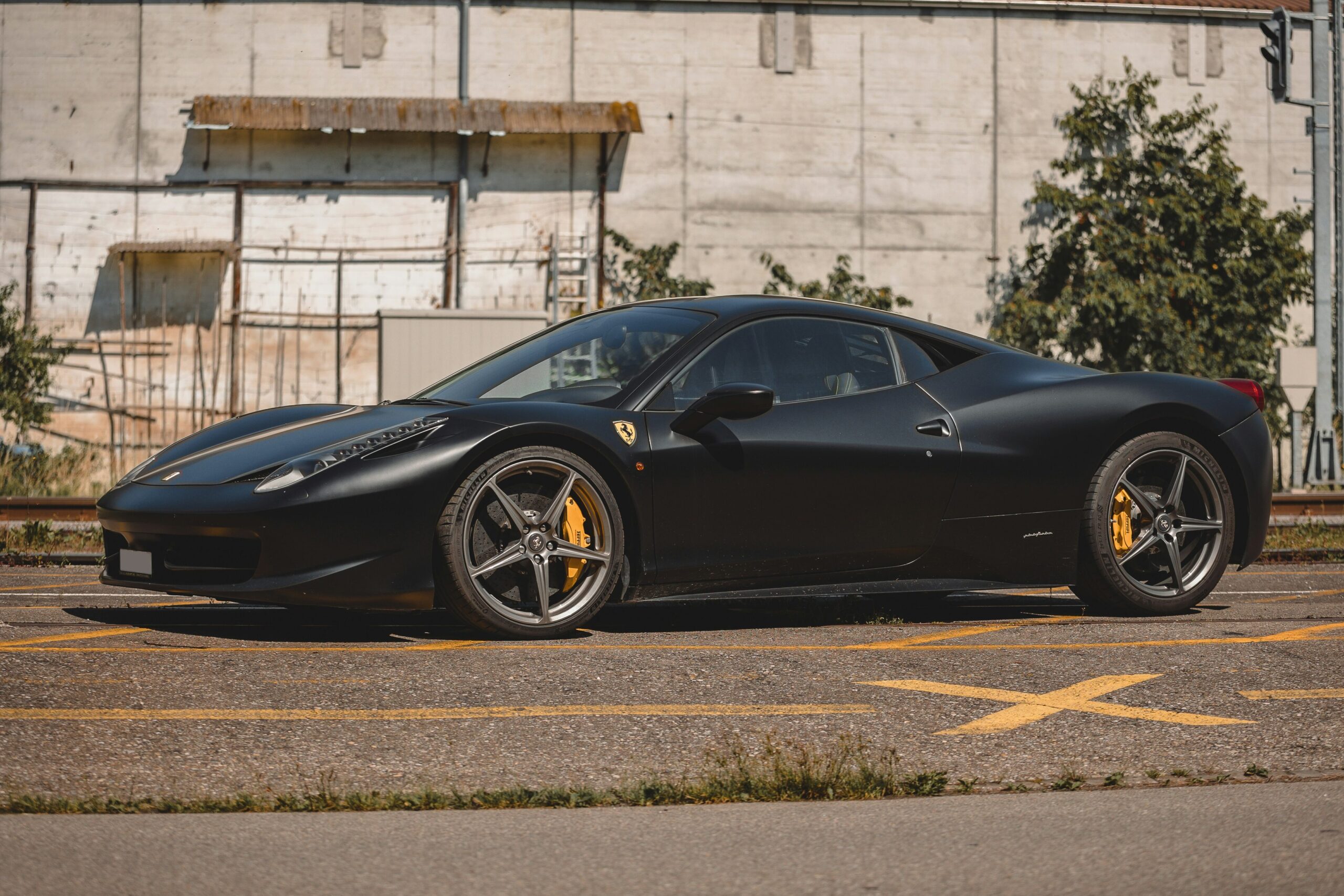
- 458 Italia (Coupe) — Fixed-roof coupe, the first 458 to reach customers, arriving for the 2010 model year. Roughly 15,000 built. The standard-bearer of the lineup and the version most associated with the 458 name.
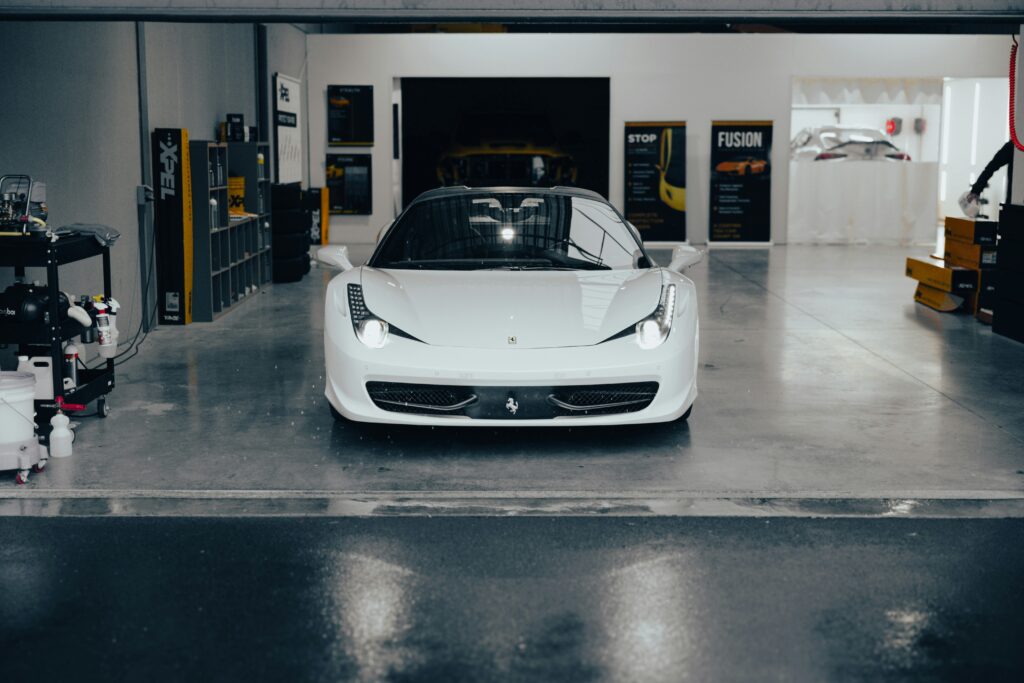
- 458 Spider — Full convertible, unveiled at Frankfurt in September 2011 and delivered in the U.S. from the 2012 model year. Roughly 6,000 built. The first mid-engined Ferrari convertible with a folding metal roof rather than a soft top — an aluminum unit around 55 pounds (25kg) lighter than the F430 Spider’s fabric roof, opening or closing in 14 seconds.
Powertrain:
- Seven-speed Getrag dual-clutch transmission — Standard and the only gearbox ever fitted to a 458, across every variant. No manual option was ever offered by the factory, making the 458 the first mid-engined Ferrari V8 sold exclusively with a paddle-shift automated gearbox.
Special and track-focused variants:
- 458 Speciale (2013–2015) — Unveiled at Frankfurt in September 2013. Power rose to 597 hp (605 PS) at 9,000rpm, roughly 200 pounds (90kg) lighter than the Italia, and quick enough to lap Ferrari’s Fiorano test circuit faster than the 430 Scuderia. Ferrari never published an official production figure; specialist estimates converge around 2,000 to 3,000 units worldwide.
- 458 Speciale Aperta (2015) — Revealed at the Paris Motor Show on October 2, 2014, as the open-top version of the Speciale, limited to 499 units. Shares the Speciale coupe’s 597hp engine and carries the same retractable aluminum roof as the standard Spider, at a weight penalty of only around 110 pounds (50kg) over the Speciale coupe.
- 458 Challenge (2010–2015) — Track-only one-make racer built for Ferrari’s Challenge Trofeo Pirelli series, debuted at Ferrari’s Maranello dealer meeting in July 2010. Runs the Italia’s 570hp engine in production tune with recalibrated gear ratios, plus racing suspension, slick tires, and an E-Diff — a first for a Ferrari track-only car at the time. Ferrari updated the model to Challenge Evoluzione specification in 2014. Total production of the 458 Challenge and Challenge Evoluzione combined is estimated at just under 150 cars.
- Ferrari Sergio — A tribute to Pininfarina patriarch Sergio Pininfarina, built on the 458 Spider platform. Pininfarina showed a one-off concept at Geneva in 2013, followed by six production examples delivered from 2015. Among the rarest 458-based cars in existence.
- 458 GT3 — Factory-built FIA GT3 racer for customer motorsport, not road legal and outside the scope of this guide, but worth knowing the badge exists if one turns up in a search.
The Ferrari 458 Investment Market
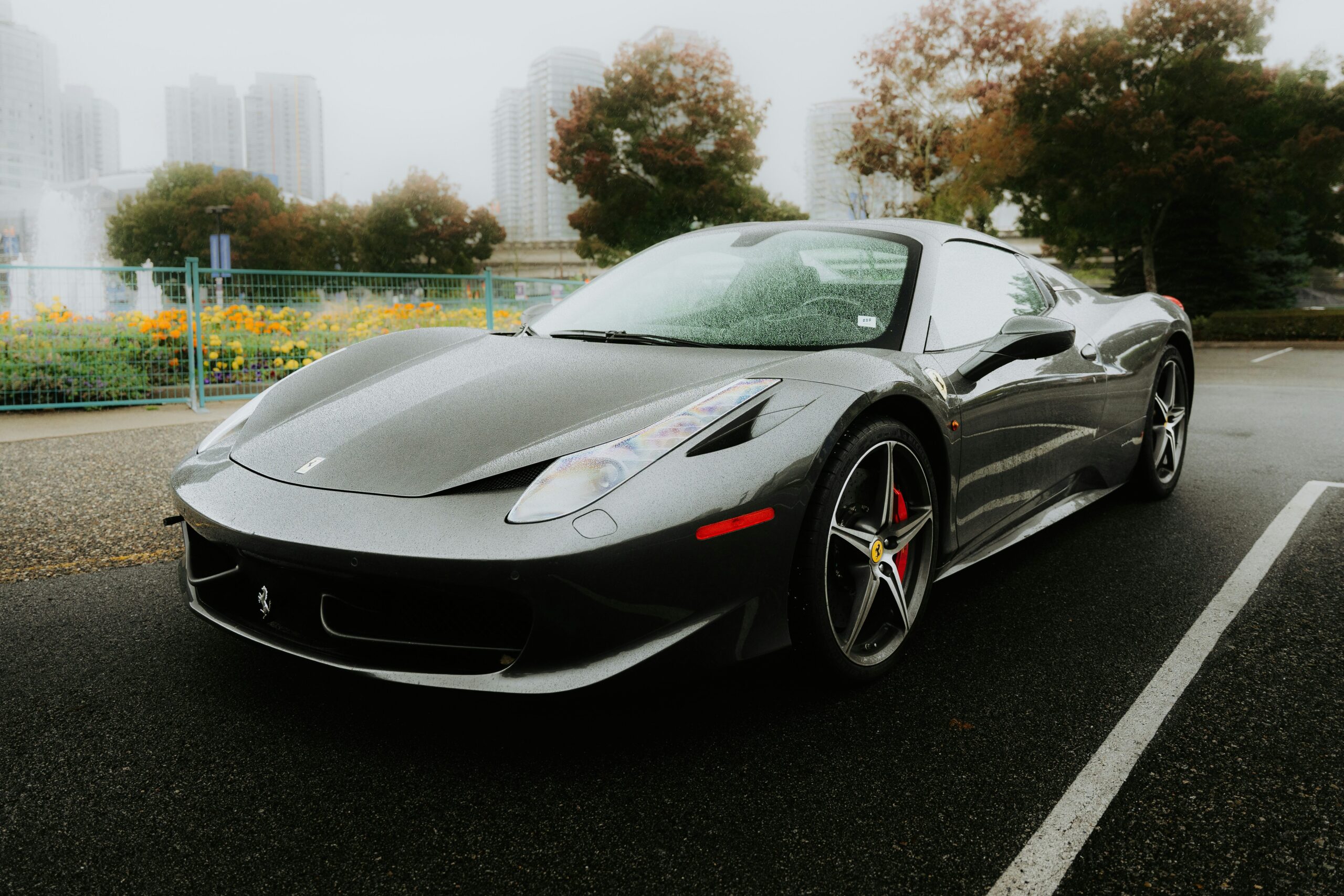
The 458 investment market divides cleanly by model — every 458 has the same dual-clutch gearbox, so the spread between a base Italia and a Speciale Aperta comes down entirely to rarity, specification, and driving focus. According to Classic.com U.S. market data, the average sale price of a Ferrari 458 Italia coupe is $230,834, with the lowest recorded sale at $95,000 for a 2011 example on November 24, 2025.
The current Classic.com Market Benchmark for the coupe sits at $215,274. The 458 Spider trades at a real but modest premium over the coupe: an average sale price of $278,640, a lowest recorded sale of $115,000 for a 2013 example on May 7, 2026, and a current Market Benchmark of $264,077.
The Speciale market has moved faster than any other corner of the 458 lineup. Classic.com carries a Market Benchmark of $649,309 for the Speciale, but that figure lags what the car has actually been trading for at auction through the summer of 2026.
Bring a Trailer sold a 2015 Speciale for $920,000 on July 29, 2026. Gooding & Christie‘s sold one for $1,022,500 at its Pebble Beach sale on August 14, 2026. The next day, Mecum sold one for $1,210,000 and RM Sotheby’s sold one for $1,490,000 — both at Monterey Car Week. By the time you finished reading this sentence, the 458 Speciale is likely even more expensive.
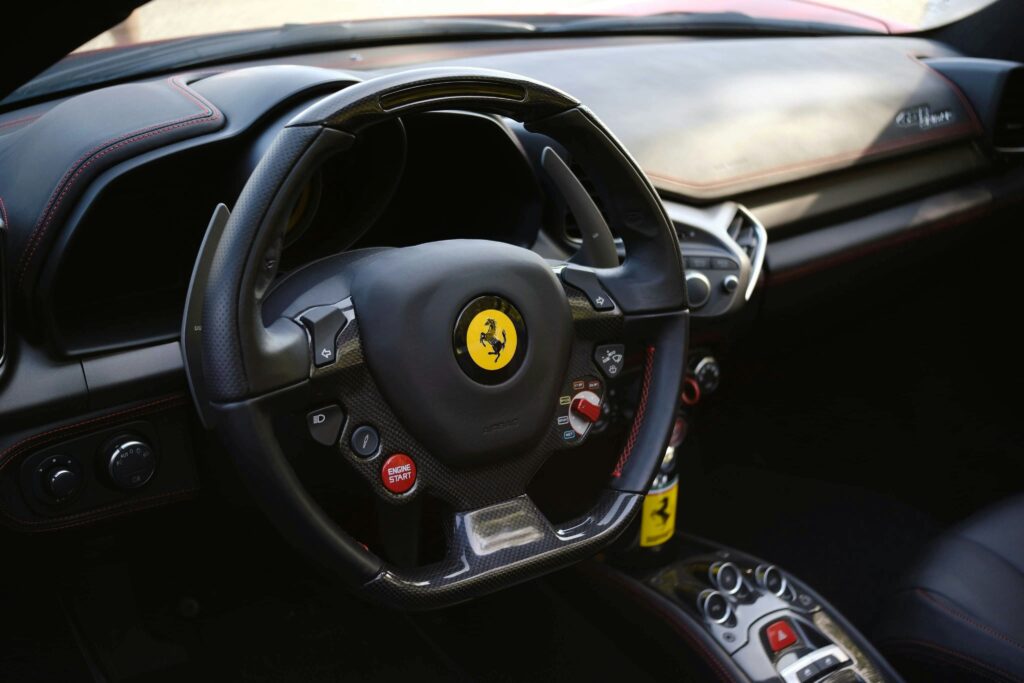
At the very top end of the market, the ultra-limited 458 Speciale Aperta — just 499 units built — is more valuable still: it carries a Market Benchmark of $1,558,979, with the highest recorded sale reaching $3,100,000 for a 2015 example on January 17, 2026. On average, a 458 Speciale Aperta is now a $1.7m car.
Ferrari 458 Investment Value Curve
Note: prices below reflect Classic.com U.S. market data at time of writing and will change over time. Speciale and Speciale Aperta figures move quickly given how few of either car trade in a given year.
| Variant | Entry | Average | High end |
|---|---|---|---|
| 458 Italia Coupe | ~$95,000 | ~$230,834 | ~$490,000+ |
| 458 Spider | ~$115,000 | ~$278,640 | ~$650,000+ |
| 458 Speciale | ~$750,000 | ~$1,000,000 | $1,400,000+ |
| 458 Speciale Aperta | ~$1,000,000 | ~$1,750,000 | $3,000,000+ |
Why It’s Going Up
The 458 was Ferrari’s last mid-engined V8 without forced induction, and that fact is doing more work for its values than anything else about the car. Derek Tam-Scott, Issimi’s Sales and Marketing Principal and a Hagerty Insider contributor, put it plainly: “there is a sense of loss around naturally aspirated flat-plane V-8s” — and that sense of loss is exactly what collector markets respond to.
Hagerty’s own numbers back that up. From March 2021 to June 2023, the 458 Italia grew 20 percent in average value — outpacing the newer, faster, more powerful 488 GTB, which grew 16 percent over the same window despite replacing the 458 in Ferrari’s own lineup. Hagerty also tracks cultural interest through Instagram tagging, and the 458 comes out well ahead there too: roughly 2.5 million posts tagged to the car, against roughly half that for the 488 and less than a million for the F430.
That demand has only accelerated since. Octoclassic’s 2025 market analysis found 458 Spider values up 5.6 percent and coupe values up 1.5 percent year over year — both comfortably ahead of the newer 488 and the depreciating 296 and SF90. The Speciale is the real headline: Octoclassic recorded a 28.9 percent price surge for the Speciale in a single year — a figure that, given the Monterey 2026 sales cited above, now looks conservative.
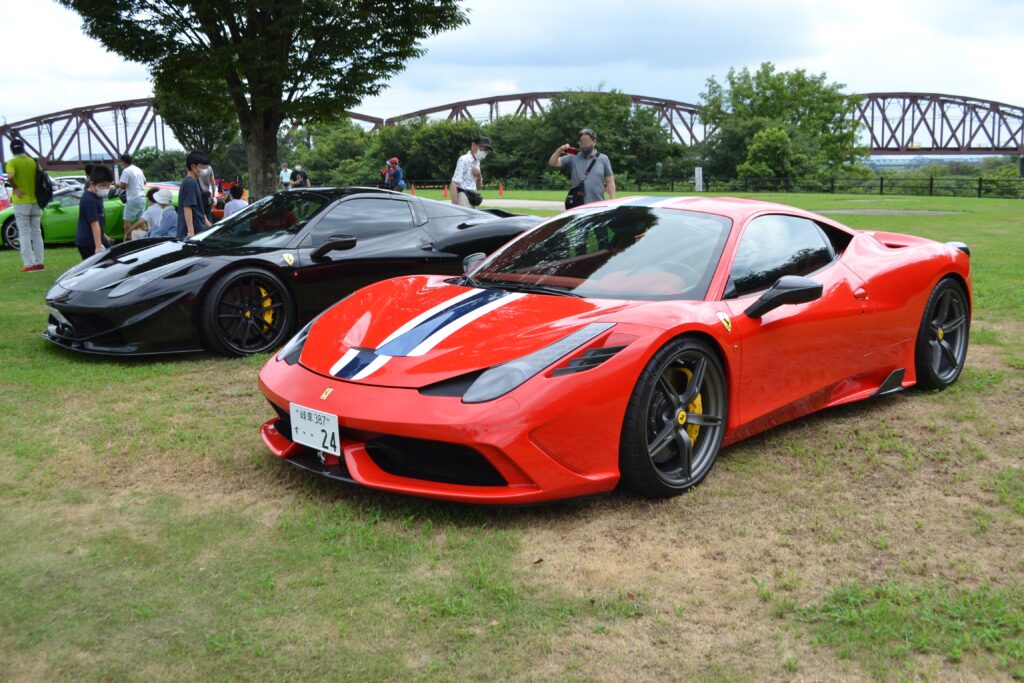
The DeMuro sale that opens this guide fits squarely into that pattern. A 1,400-mile 458 Spider selling for $380,000 put it, in DeMuro’s own framing, ahead of what a base-spec Ferrari SF90 — a newer, more powerful, hybrid-assisted flagship — currently costs on the used market. Ten years ago, most Ferrari buyers would have bet on the F430 over the 458 as the sounder long-term hold, on the logic that the F430 felt more mechanical and still offered a manual. That isn’t how the market has actually shaken out: 458 values held far more consistently than F430 values through this same period, even at high mileage.
Some of that comes down to how the 458 was optioned when new. Alex Alghrim, a Ferrari expert and Hagerty Price Guide contributor, has watched the same buyers who came up through the 488, F8, and 812 now shopping for 458s, and pointed out they’re already used to a high degree of factory customization — meaning they gravitate toward cars with heavier option content, carbon-fiber packages, and less common colors over a base-spec example. That option-penetration effect widens the price spread within the Italia and Spider tiers well beyond what mileage alone would explain.
None of this erases the 458’s biggest headwind as an investment: it was built in far greater numbers than the F355 or F430, at over 20,000 cars across the lineup, and most of the ones that exist are still being bought to drive rather than to garage. Alghrim’s own client base skews toward buyers requesting a driver-condition 458 with real miles on it — a pattern he says simply doesn’t happen with the 488. That’s a healthy sign for the car’s culture, but it also means the market has a deep supply of usable, mid-mileage Italias and Spiders that will likely keep the base of the pyramid from appreciating as sharply as the Speciale and Speciale Aperta above it.
The 458 is, in many ways, the last “old-school” Ferrari. Yes, that term gets thrown around for a lot of different cars, and yes, it’s a cliché — but the 458 really is the last Pininfarina-designed mid-engine Ferrari, the last naturally aspirated V8, and the last car with power you can actually use on the road. In many people’s eyes, it also arrived right at the peak of the “attainable” supercar era. It’s the most Ferrari-ish Ferrari mid-engine V8 — the one everything newer gets compared to — and that will help shape its values going forward.
Common Ferrari 458 Problems
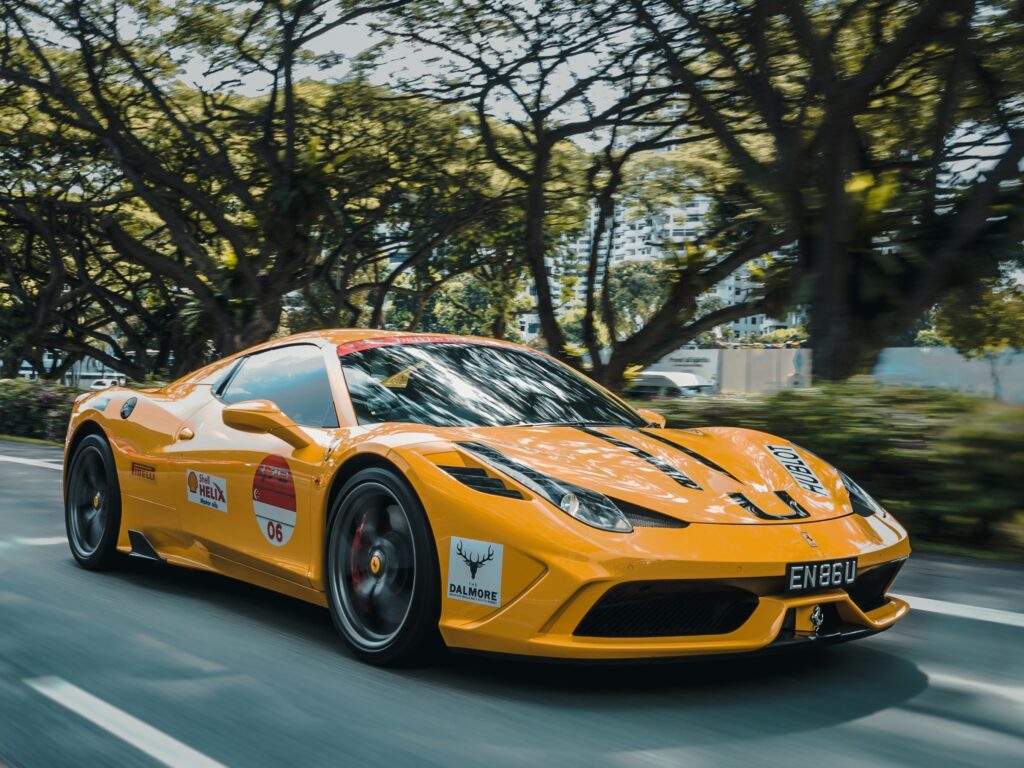
The 458 has a well-earned reputation as one of the more reliable Ferraris of the modern era. The F136 V8 carries no cam belt service at all, and EVO calls the engine “wholly issue free.” That doesn’t mean the car is without known problems — it means the problems are well documented and mostly inexpensive relative to the car’s value.
- Wheel-arch liner recall (pre-July 2010 cars). Ferrari recalled 1,248 458 Italias worldwide in September 2010 — around 303 of them in the U.S. after five reported fires in California, Switzerland, China, and France. The cause was an adhesive bonding the rear wheel-arch liner and heat shield, which could overheat, smoke, and in rare cases ignite against the exhaust. Ferrari’s fix replaced the adhesive with mechanical fasteners. Any 458 built before July 2010 should have documented proof this recall was completed.
- Exhaust manifolds. A known crack point, typically identifiable by a cold-start tick that fades once the engine warms, or a white powdery residue in the engine bay. Ferrari has frequently replaced manifolds under warranty on affected cars, but verify the paperwork rather than assuming it was done.
- Dual-clutch transmission. Early cars occasionally suffered internal speed-sensor failures in the Getrag gearbox. What once required a full gearbox replacement can now be addressed by specialists rebuilding the unit and replacing the sensors directly. Some owners have also reported clutch glitches that trace back to nothing more than the clutch-positioning sensors needing a reset and a software update. A full clutch kit, if genuinely needed, runs around $25,000 (£20,000) — check documented clutch-wear percentage before buying.
- Adaptive dampers. Sold only in pairs at roughly $2,000 (£1,500) each, and prone to weeping fluid with age. Check behind each wheel for leaks; this isn’t typically covered under any remaining warranty.
- Carbon-ceramic brakes. Standard on every 458. Discs should be visually checked for scoring or edge chipping, but true remaining life can only be confirmed by having a technician weigh them. A full disc-and-pad replacement is a five-figure expense.
- Sticky switchgear. The soft-touch coating on the interior switches degrades and turns tacky with age — the same issue that affects the F355 and F430. Specialists can strip and refinish it, but factor the cost into negotiations if it hasn’t been addressed.
- Dashboard leather. Extended sun exposure can shrink the leather across the top of the dash, pulling it away from the windscreen base. Inspect this area closely on any car that’s spent time in a hot climate.
- Spider and Aperta roof mechanism. Cycle the retractable hardtop several times during any inspection. It should open and close smoothly and quietly; hesitation or misalignment points to sensor or hydraulic issues.
- Rear-arch corrosion. Not widespread, but some owners have reported it. Worth a close look alongside a general check for accident repair, panel gaps, and paint blend lines.
- Electronics. The TFT instrument display and other onboard electronics can develop niggling faults. EVO recommends having any prospective purchase checked at a diagnostics-equipped workshop, since tracking down the source of an intermittent electrical fault can otherwise turn into a real goose chase.
- Tires and wheels. The 458 goes through tires quickly given how the car is meant to be driven — rears run around $350 (£260) apiece. Inspect wheels closely for curb damage; a replacement runs around $3,150 (£2,500).
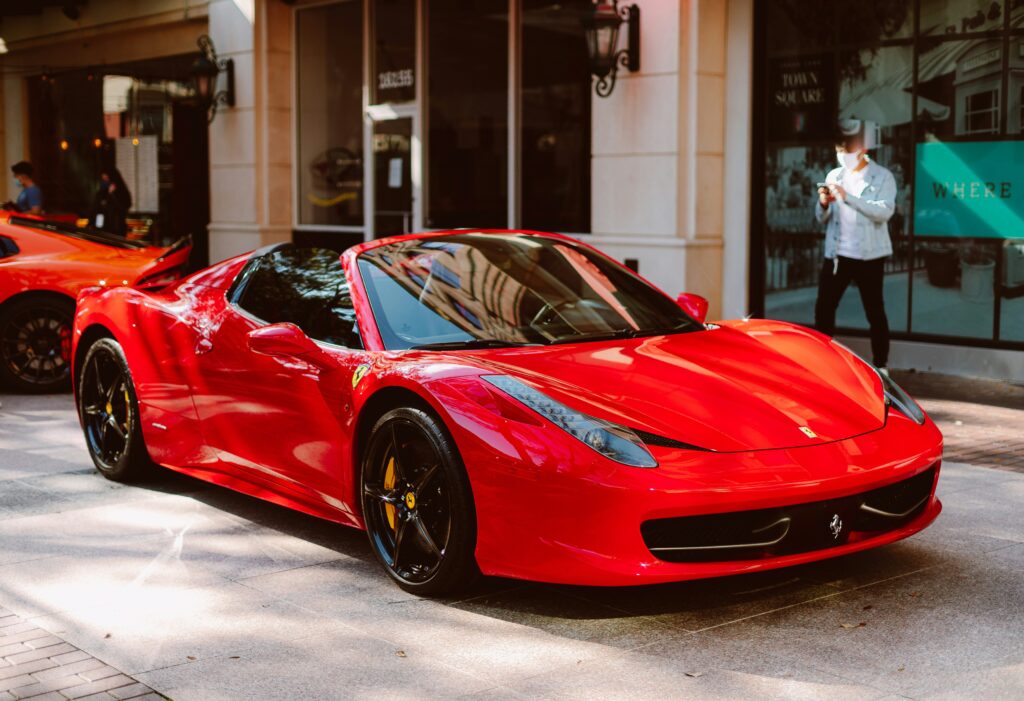
What to Look for in a Good 458 Investment Car
Service History
Look for a complete Ferrari-authorized service history, ideally covering the seven-year maintenance program Ferrari introduced in 2011. Confirm the wheel-arch liner recall was completed on any pre-July 2010 car, and ask specifically about exhaust manifold and DCT clutch-sensor work. A gap in the paperwork on a 458 is a bigger red flag than it might be on an older, simpler Ferrari — this is a car with real electronic complexity, and undocumented work is much harder to verify after the fact.
DCT and Clutch Condition
Every 458 has the same Getrag dual-clutch gearbox, so there’s no manual-versus-automated decision to make the way there is on an F355 or F430. What matters instead is documented clutch-wear percentage and any history of sensor or software work. Test the gearbox in stop-and-go traffic as well as at speed — a well-maintained 458’s DCT should shift cleanly and quietly at low speed with no clunking or hesitation.
Colors and Specification
Rosso Corsa remains the default, no-cost, universally desirable color across the lineup. On the Speciale specifically, Romans International notes that beyond the standard Rosso Corsa, buyers can find deeper metallic reds like Rosso Fuoco and the gold-flecked, roughly $20,000 (£15,000) option Rosso Formula One 2007, along with Grigio Silverstone — the most popular grey — Bianco Avus, and Nero Daytona.
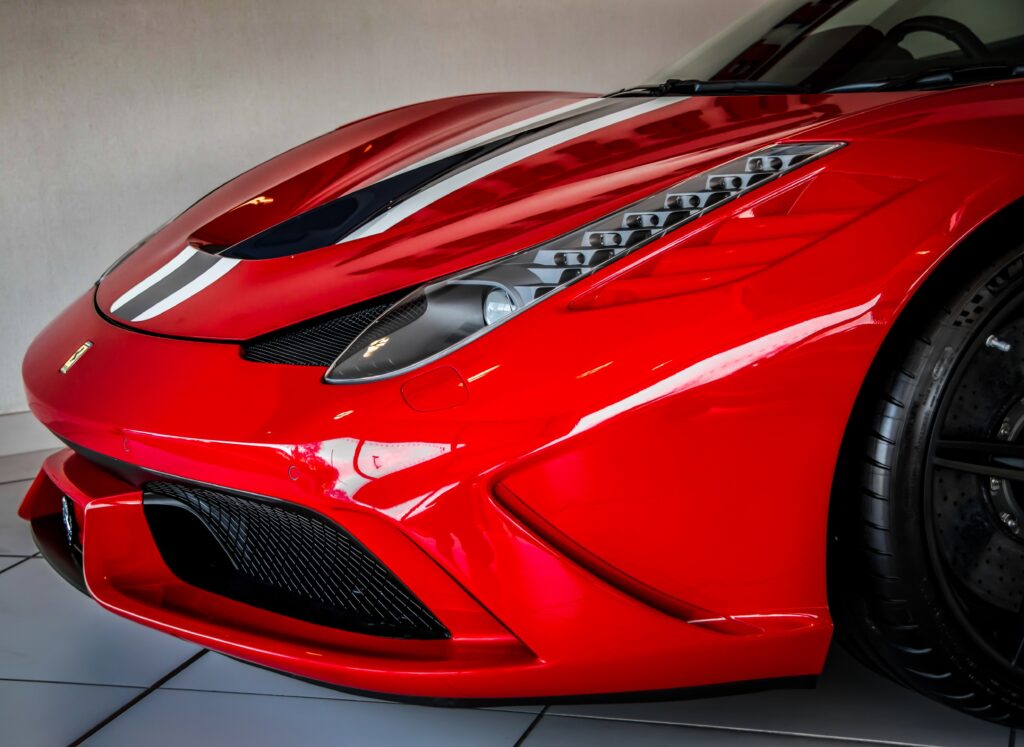
The Speciale’s signature NART-style stripe, in blue-and-white or other color combinations, should be painted under the lacquer rather than applied as a sticker; run a hand over it, and a raised ridge means it isn’t factory-correct. There is no single identifiable “rarest” factory color for the Ferrari 458 investment unicorn, because Ferrari’s Tailor Made (Atelier) program produced several one-off specifications.
Among the best-documented examples are Verde Menta Metallic, created for a single 458 Speciale, and Bianco JJ, commissioned for a 458 Speciale A, both of which are effectively one-of-one factory colors. If the color in question was created through Tailor Made, has a meaningful connection to Ferrari’s racing heritage, and was applied to only a single car, its rarity and provenance can make it especially significant from a collector’s perspective.
Factory Options
Option penetration is one of the clearest value drivers within the family. Cars equipped with carbon-fiber exterior and interior packages, lightweight racing seats, the carbon-fiber Driver Zone with LED shift lights, forged wheels, and Scuderia-style wing shields generally carry more collector appeal than lightly optioned examples.
The strongest specifications tend to combine those options with a desirable factory color and a coherent interior rather than simply a high original sticker price. On any car claiming heavy options, verify the specification against the factory build sheet rather than relying on a seller’s description, particularly where carbon components, racing seats, or special-order paint materially affect the car’s value.
Condition Integrity
Confirm the original toolkit, books, and any spare-wheel or tire-repair kit are present — they’re frequently sold off separately from the car. On the Speciale and Speciale Aperta specifically, verify any claimed carbon-fiber trim, forged wheels, or Tailor Made personalization against the car’s original specification.
Pre-Purchase Inspection
Have any prospective 458 inspected by a specialist who works on these cars regularly. A proper inspection should include a borescope check of the exhaust manifolds, a documented DCT clutch-wear reading, confirmation the wheel-arch liner recall was completed if applicable, a check of the adaptive dampers for leaks, a full cycle test of the roof mechanism on a Spider or Aperta, and a diagnostics scan for any stored electrical faults.
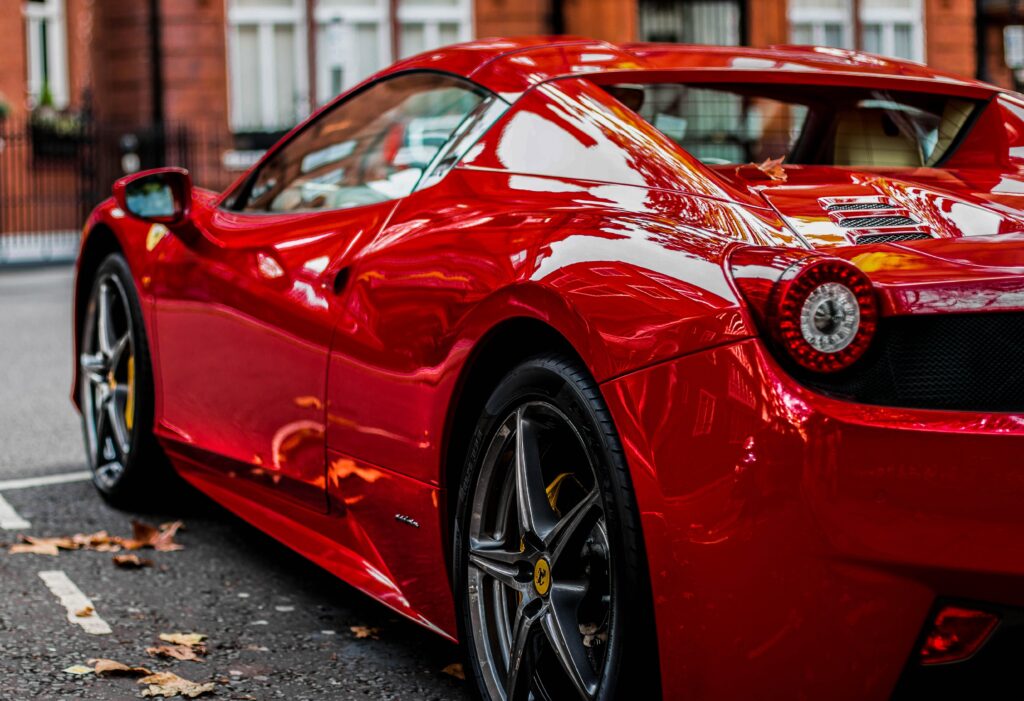
Best Ferrari 458 Investment Tiers
Tier 1
458 Speciale Aperta — 499 units, the rarest roadgoing 458 built
The Speciale Aperta sits alone at the top of the 458 market. It combines the Speciale coupe’s 597hp engine and sharpened dynamics with open-top motoring, in a production run limited to 499 cars worldwide. Recent U.S. sales have reached as high as $3,080,000, and the car’s rarity relative to the Speciale coupe — built in roughly a sixth of the numbers — gives it a genuinely separate collector position. The window for a relative bargain here has already closed. However, if you manage to find one that’s highly specced, well preserved, and possibly finished in a special color, it’s the Speciale Aperta that will forever remain the most desirable of the bunch.
Tier 2
458 Speciale — an estimated 2,000 to 3,000 units, the definitive naturally aspirated 458
The Speciale is the purest expression of what the 458 platform could do: more power, less weight, and a Fiorano lap time that beat the track-honed 430 Scuderia. It’s also the tier where the market has moved fastest and hardest through 2026, with verified U.S. auction results from Bring a Trailer, Gooding & Christie’s, Mecum, and RM Sotheby’s all landing between roughly $920,000 and $1,490,000 over a single summer. That pace of appreciation is a genuine opportunity and a genuine risk in the same breath. Whatever happens, it’s difficult to imagine a clean Speciale ever trading for anything less than well over a million dollars.
Tier 3
458 Spider, well optioned and documented
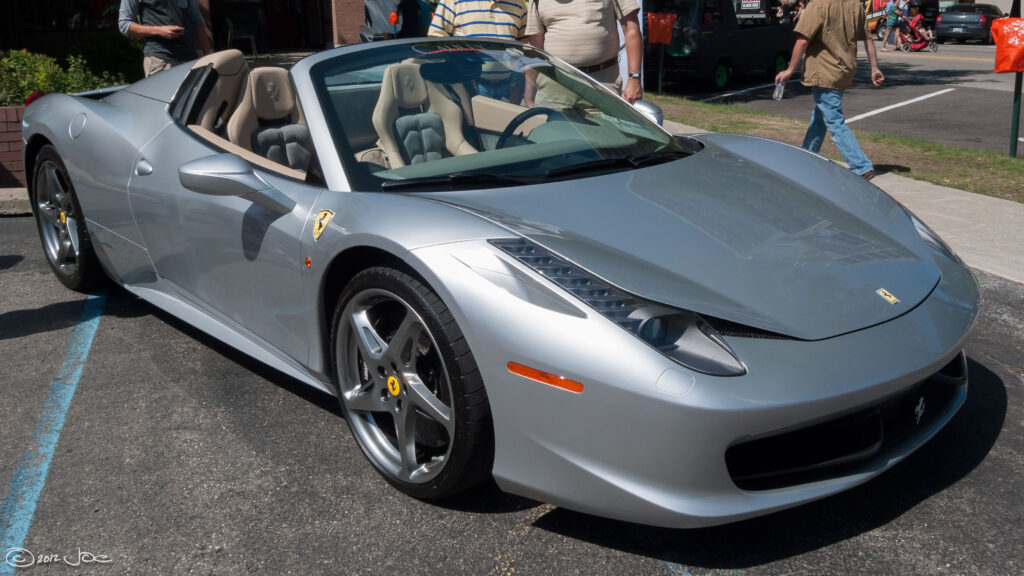
The open-top standard 458 has outpaced the coupe on a percentage basis in the most recent market data, and it carries the somewhat added appeal of the first folding-hardtop mid-engined Ferrari convertible. A Spider with strong factory options and a clean service history sits in a sweet spot: meaningfully rarer than the coupe, without the six-figure jump into Speciale territory.
Tier 4
458 Italia Coupe, documented history — the strongest accessible entry point
A well-maintained coupe with a complete Ferrari service history, confirmed recall work, and a healthy documented DCT clutch is the clearest way into 458 ownership without stretching into Speciale money. It’s also the most common configuration on the market, meaning liquidity on the way out is about as good as this segment gets. Buy the best-documented example available and prioritize condition over chasing the lowest possible mileage. Given how much more cherished the 458 platform has become, though, it’s unlikely the Italia has found its settled price yet — in other words, it’s difficult to imagine values slowing down anytime soon.
Avoid
Avoid pre-July 2010 cars without documented proof the wheel-arch liner recall was completed, any 458 with an undocumented or unknown DCT clutch-wear percentage, cars with unaddressed exhaust manifold ticking, heavily modified examples that have moved away from factory specification, and any Speciale or Speciale Aperta represented as more heavily optioned than its build sheet actually supports. In this market, people want keepers. If you can’t find one, either buy it to drive and enjoy rather than to invest, or skip it — clean, documented 458s are the investment case, nothing else is.
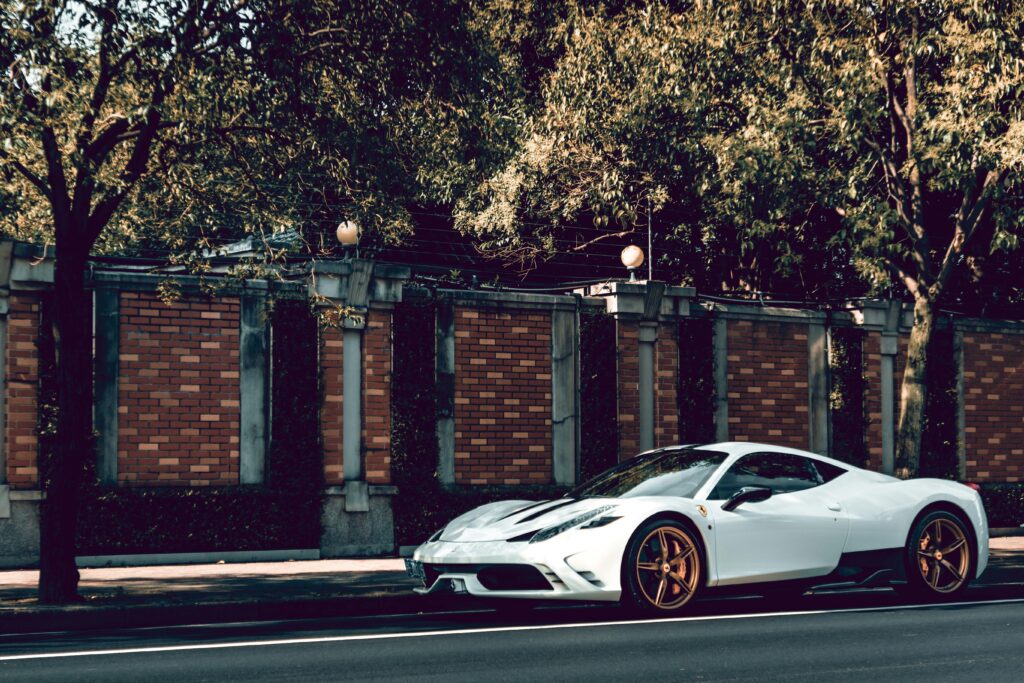
The Ferrari 458 Investment Verdict
The Ferrari 458 investment case rests on a fact that’s easy to state plainly: this is the last mid-engined V8 Ferrari built before turbocharging, and it was also the first one sold with an automatic that was actually good. That combination gives the 458 a genuinely unique position in Ferrari’s history, distinct from the transmission-driven story that defines the F355, F360, and F430 markets.
The Italia and Spider remain the sensible way into 458 ownership — genuinely usable, mechanically sound, and priced within reach of a much broader range of buyers than the Speciale ever will be. But the investment momentum right now sits above them, in a Speciale market that gained huge momentum in a single year and a Speciale Aperta market that has already crossed $3 million for the right car.
Buy documented history over low mileage. Verify the recall on any pre-July 2010 car. Check the DCT clutch-wear percentage before anything else. The 458 spent its first decade on the market as Ferrari’s most usable, most driven supercar — the one people bought to actually use rather than store.
That’s exactly why so many of them exist in real, honest, driver condition today, and exactly why the well-documented ones are pulling away from the rest of the market as the naturally aspirated era they represent gets further in the rearview mirror.
Classic Car Gang covers the modern classics market with no editorial filters. If you found this useful, check out our other articles.

Marko Mikulic is a classic and modern classic car writer with over a decade of hands-on enthusiasm. He has published more than 10,000 automotive articles with bylines at Jalopnik, SlashGear, The Driver Advisor, and CarArac. He owns a Mercedes R129 SL — having previously owned an R107 and a BMW E30 M3. He founded Classic Car Gang to cover the cars worth buying, owning, and investing in, without editorial filters.